
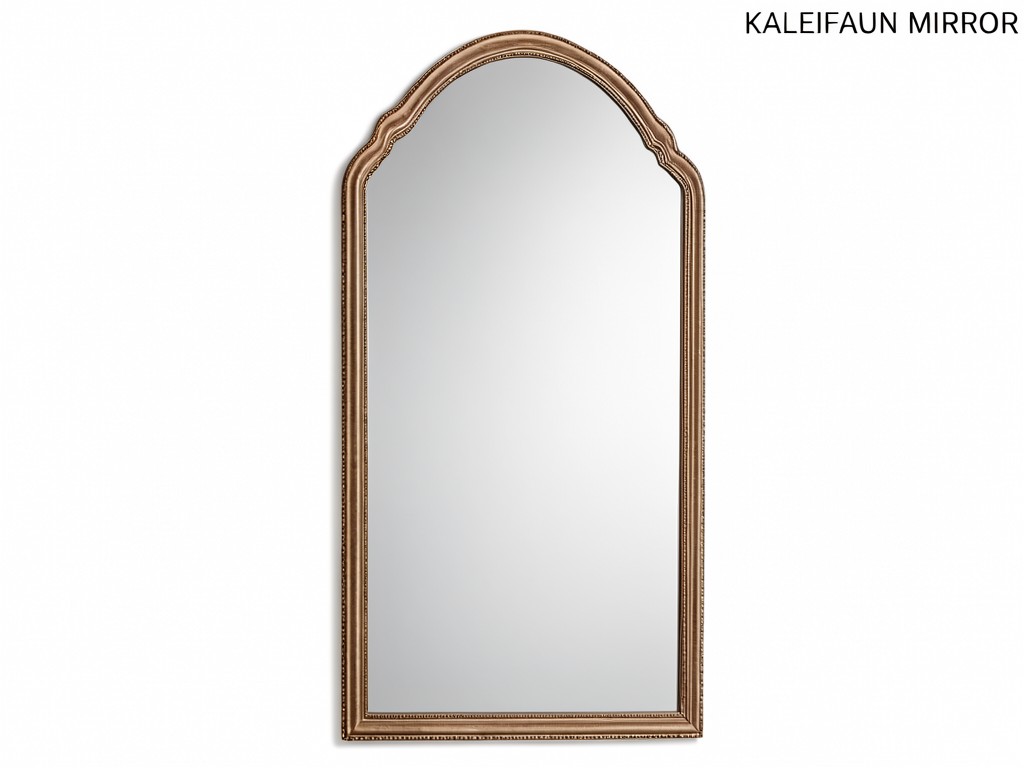
affordable arch wall mirror custom size b2b supplier - Bulk Supply and Specification Guide
The build method decides where cost savings hold and where they turn into repeat complaints. For an arch wall mirror, glass selection, profile cutting, edge finishing and backing protection all affect fit, appearance and replacement risk.
Bulk buyers can match a private-label specification without redesigning the product. The practical starting point is a controlled drawing, an agreed glass build and a packing plan suited to the mirror’s finished dimensions.
What This Product Is and Where It Fits
An arch wall mirror is a flat glass mirror with a curved upper profile, finished for fixed wall installation. Fitness studios, dance academies, club changing areas and interior retailers choose the shape for room layouts where a rectangular mirror does not match the visual specification.
For studio and academy buyers, the mirror has to arrive with the arch, overall width and mounting clearances aligned to the approved drawing. A small profile mismatch can leave visible gaps across a row, while a chipped edge can stop an otherwise usable unit from being installed.
How It Performs in Use
Process choice shows up later as edge condition, reflection quality and the number of units that survive delivery and installation without rework.
Black spots or silvering loss often start at exposed edges, especially where moisture reaches a damaged backing or an unsealed cut edge. Edge chips are more likely when the mirror is handled without edge protection or when the wall fixing pulls unevenly against the glass. A bowed wall can also create a wavy reflection even when the mirror itself passed a flatness check.
For larger pieces, thickness, wall flatness and fixing position need to be considered together. A thicker sheet adds weight and freight cost, but it can be a better fit where the format and support conditions call for it. It does not correct an uneven mounting surface.
Construction Method and Its Effect on Consistency
Consistency is set at the forming stage. The supplier cuts the mirror blank to the approved arch profile, finishes the exposed edges, checks the dimensions and applies the specified backing or protective film. If a tempered mirror is required, the glass is shaped and edge-finished before tempering; the mirror coating is then applied to the processed glass.
Drawing control matters: specify overall height and width, arch rise or radius, corner transitions, edge finish, thickness and mounting details on one approved drawing. Confirm the measuring points and tolerance with the factory before the production sample is released.
A typical project may use 4–6 mm glass, with the final choice based on dimensions, support and handling requirements. An added safety backing film can help retain fragments if the glass breaks, but it does not make ordinary annealed glass equivalent to tempered glass.
Option Comparison by Usage Level
Choose the build around the room’s use, mirror dimensions and replacement cost. The ranges below are common starting points, not a substitute for checking the drawing, mounting design and local project requirements.
| Configuration | Typical specification | Fit and trade-off |
|---|---|---|
| Standard wall installation | 4 mm mirror glass; custom arch dimensions to approved drawing | Lower material and freight cost for supported installations. Confirm the wall is flat and the fixing method suits the unit weight. |
| Larger or more demanding format | 5–6 mm mirror glass, subject to dimensions and mounting design | Adds mass and handling cost. Review support points and installation access before selecting the thicker sheet. |
| Breakage-fragment retention requested | Mirror with rear safety film, or a separately specified tempered mirror build | Film and tempered glass are different constructions. Confirm the intended risk control and applicable project requirements before ordering. |
| Private-label or multi-site programme | Drawing-controlled profile, finish, label and packing specification | A signed sample and revision-controlled drawing reduce variation between initial and repeat orders. |
- If the mirror is for a standard, supported wall installation, start with the base glass thickness and confirm the fixing load before moving to a heavier build.
- If the format is large or the room has frequent turnover, ask the factory to review thickness, edge finish and packing as one cost decision rather than pricing glass alone.
- If the project calls for breakage-fragment retention, state whether the requirement is a backing film or tempered glass. Do not treat the two options as interchangeable.
- For repeat private-label orders, approve the arch profile and packing sample before placing the production quantity.
Assumptions Buyers Should Stop Making
A quoted “custom size” does not confirm that every arch profile can be produced on the same tooling, in the same glass thickness or with the same packing method. Maximum size depends on the processor’s equipment, sheet availability, handling route and export crate design.
A drawing that lists only overall height and width can still leave room for profile drift. State the arch geometry and how the measurement is taken. Also, safety film is not a substitute for a specified tempered-glass construction, and thicker glass does not fix a wall that is out of plane.
Treat approval samples as a reference for glass appearance, edge finish and packaging—not just the outline. Record approved revisions so a reorder does not revert to an earlier arch or backing specification.
OEM and ODM Programme Structure
OEM production suits buyers with a fixed product drawing and private-label requirements. The factory follows the approved dimensions, glass build, finish, backing, label and carton or crate details. ODM support is useful when the buyer has a room layout or target price but needs help settling the profile and construction before release.
The project file should include the dimensioned arch drawing, glass thickness, edge specification, backing choice, mounting details, branding artwork and destination market. Sample approval then fixes the visual reference and identifies changes that would affect tooling, yield or unit price.
For cost control, keep the mirror geometry and glass build stable across orders where possible. New sizes, revised curvature, special edgework or individual retail packaging can change setup time and packing yield; confirm their effect before the purchase order is placed.
Export Packaging and Handling Protection
Mirror damage in transit usually starts with an exposed edge, movement inside the pack or pressure on the curved top. Packaging should match the unit dimensions and shipment route, not rely on a generic carton size.
- Use edge guards and cushioning that keep the arch and lower corners from contacting the outer pack.
- For larger mirrors, use a crate or frame that restrains movement and supports the load through handling; confirm the loading orientation with the freight plan.
- Specify unit labels, carton marks and any private-label inserts before packing approval. Include batch identification where repeat-order traceability is required.
- Check the packed sample for edge exposure and internal movement before approving the export configuration.
Freight cost and breakage risk move together with pack density. Request a packaging proposal against the finished mirror size, order quantity and destination handling route before finalizing the unit price.
Discuss Your Mirror Specification
Send the arch drawing, target glass build, order quantity, private-label needs and delivery destination for a project review. The factory can check production fit, sample requirements and export packing before you lock the purchase specification.







