
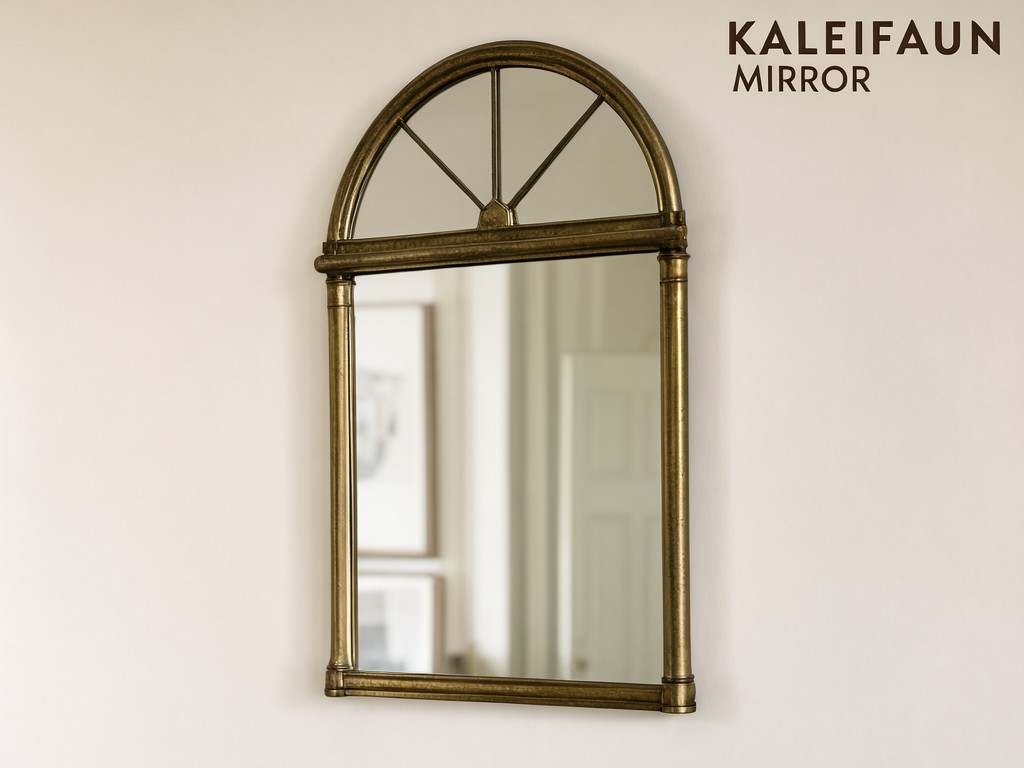
Affordable vintage brass arched wall mirror Exporter - Bulk Supply and Specification Guide
The limiting factor is rarely the headline specification. For a private-label arched mirror, repeatable frame shape, brass-tone colour and protective packing determine whether the approved sample matches the next production batch—and whether the landed unit cost survives returns and warranty claims.
Where Cheaper Alternatives Fall Short
Weight and stiffness trade off against each other. A light frame can lower freight cost, but a thin profile may flex at the arch or mounting points; a heavier frame adds material and carton weight. The right balance depends on mirror size, mounting method and the price point your channel can support.
Low unit prices can also conceal variation in the antique-brass finish. Differences in base-metal preparation, plating coverage or the final tone become obvious when multiple mirrors hang together in a retail display or hospitality project. If finish colour and frame profile are not tied to an approved sample, mixed-batch appearance can drive exchanges that outweigh the initial saving.
Specify the frame material and finish route separately. Brass-tone plated steel is generally the cost-conscious choice; solid brass uses more material and changes both the purchase price and finished weight. Approve the colour, edge feel and arch profile against a physical sample before bulk production.
OEM and ODM Programme Structure
OEM work keeps an existing mirror design and applies your label, carton artwork and agreed finish specification. ODM work can adjust the arch radius, frame width, dimensions or mounting arrangement. Either route should begin with a signed-off drawing and sample; that record gives production and inspection teams a common reference for repeat orders.
Common glass options
3–5 mm, selected by size and cost target
Frame route
Steel with brass-tone finish or solid brass by quotation
Frame profile
Profile and wall thickness set by size, mounting and approved sample
| Indicative mirror size | Typical finished weight | Construction basis |
|---|---|---|
| 400 × 600 mm | About 4–6 kg | 3–4 mm mirror glass; formed metal frame |
| 500 × 700 mm | About 6–9 kg | 4 mm mirror glass; steel frame or specified alternative |
| 600 × 900 mm | About 8–12 kg | 4–5 mm mirror glass; frame and hanger sized to the finished load |
Size and weight figures are indicative planning ranges, not fixed tolerances. Final values depend on the frame section, glass thickness, backing and hardware. Confirm the production specification after sample approval.
What Gets Checked Before Shipment
Fatigue appears at the stress concentration: the hanger connection, frame joints and points where the formed arch meets the lower sides. Inspection should compare the frame geometry and joint finish with the approved sample, then confirm that the specified mounting hardware engages correctly. A polished frame edge also matters in hand; burrs or sharp transitions create complaints during unpacking and installation.
For the glass, checks can include dimensions, visible chips or scratches, backing coverage and a visual review of reflected lines for distortion. Finish review should use the agreed reference under consistent lighting, with attention to tone shifts, bare spots and handling marks. Any rub, adhesion or mounting-load check needs an agreed method and acceptance criteria in the inspection plan; do not treat a sample check as a substitute for a written requirement.
Capacity, Tooling and Scheduling
A standard arch profile can usually avoid dedicated forming tooling, while a changed radius, frame section or integrated hanger may require a fixture or forming tool. The tooling decision affects setup cost and repeatability: a dedicated fixture can help hold the shape across a private-label batch, but it adds cost and approval time before production.
Scheduling depends on sample approval, finish availability, glass processing, order quantity and carton development. Confirm the production window against the final specification rather than a preliminary quote. For repeat orders, retain the approved sample and artwork files, and record any material or finish change before releasing the next batch.
Packing, Marking and Freight Configuration
Mirror freight risk concentrates at the corners and exposed glass faces. A typical export pack uses face protection, shaped corner guards and an inner carton; larger formats or longer routes may call for reinforced cartons or a crate, subject to the buyer’s freight plan. Validate the pack configuration on the approved product size because a carton that fits one arch profile may leave another vulnerable at the crown.
| Customisation point | Available direction | Buyer input for approval |
|---|---|---|
| Frame finish | Antique-brass tone, with finish route set by base metal and target cost | Physical colour sample and acceptable variation |
| Shape and size | Existing arch dimensions or a revised radius and overall size | Dimensioned drawing and allowable dimensional variation |
| Branding and pack | Carton print, product label and protective-pack configuration | Artwork files, barcode details and destination-market marks |
Carton marks can identify the SKU, quantity, orientation and handling instructions. Share destination requirements and pallet or container preferences before pack approval; late changes to carton dimensions can affect freight loading and unit cost.
Questions Buyers Ask Before Ordering
Can the existing mirror design take our private-label specification?
Usually, when the requested dimensions, finish and mounting arrangement match an existing construction. Send a drawing or marked-up sample with label and carton requirements; the factory can identify which changes stay within the current setup and which need new tooling or a revised sample.
What changes the minimum order and unit price?
Frame material, finish route, glass size, carton specification and the number of finish colours all affect setup and purchasing costs. A shared construction across several labels may reduce repeated setup, but each SKU still needs a clear approved specification. Request a quotation against the intended quantity and packing plan rather than comparing unit prices with different inclusions.
Can the approved sample be used as the batch reference?
Yes. Keep a signed sample or a controlled sample record with the agreed drawing, finish reference, mounting details and packaging configuration. That reference helps buyers and factory inspectors resolve questions about colour, frame shape and fit before shipment.
Request a pre-production sample against your target dimensions, finish and retail pack. Share the expected order quantity and destination market so the sample, inspection points and export carton can be quoted as one specification package. Request a sample and discuss your specification.







