
Bespoke Cost-Effective Vintage Arched Mirror Vendor: What Buyers Should Check Before Ordering
Repeat loading drives the failure: a mirror that survives carton handling can still loosen at its hanger after repeated door movement or wall vibration. For wholesale and private-label orders, a lower unit price only pays off if the glass, frame, backing and mounting points stay consistent enough to limit replacements and warranty claims.
Start with the installed size, frame construction and intended retail price. Those choices set the glass thickness, finished weight, packing cost and inspection plan.
Design Constraints Behind the Specification
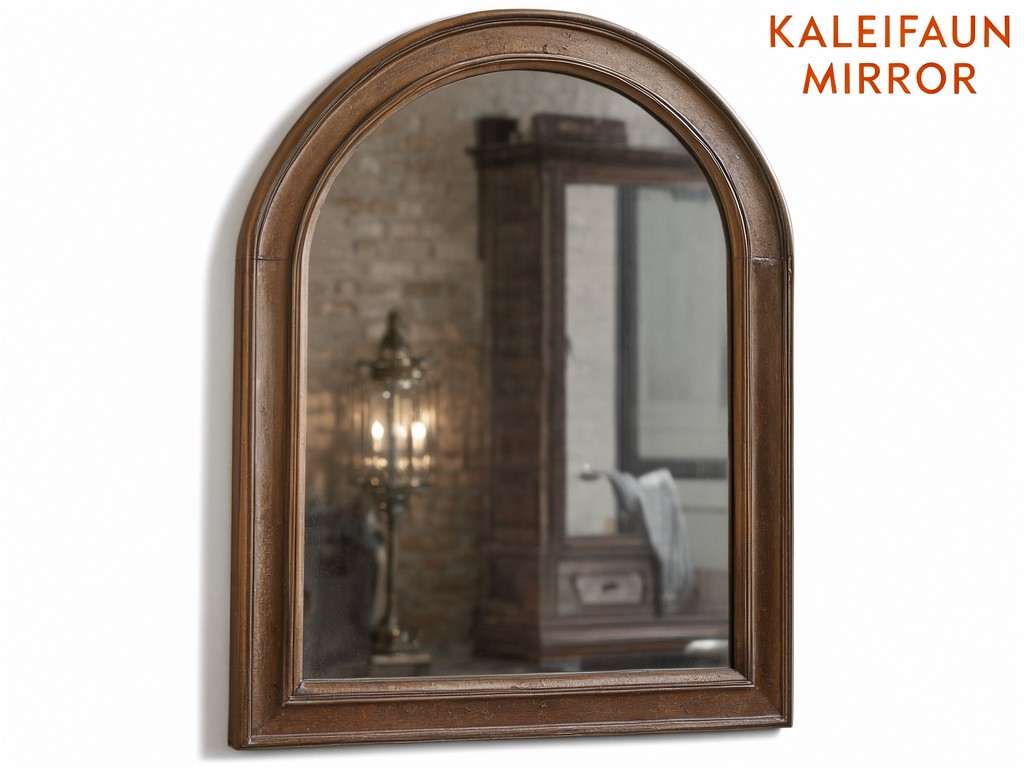
Arched glass needs a controlled cut and protected edge. Small profile differences can show at the crown or produce uneven gaps inside the frame. A confirmed drawing or physical sample gives production a reference for the arch radius, overall dimensions and hanger position.
Glass and Edge
Common choices include 3–5 mm silvered glass. Thicker glass adds mass and freight cost; thinner glass lowers weight but needs suitable frame support and careful handling. Specify whether the perimeter is polished, ground or concealed.
Vintage Appearance
An antiqued mirror effect can come from a deliberately distressed reflective layer. Approve a physical sample: the pattern and reflection can vary with the process, and the chosen look should be checked across pieces from one batch.
Frame and Mounting
Powder-coated metal, engineered wood and solid wood suit different price points and finishes. Frame stiffness, joint design and hanger placement must match the mirror’s finished weight and the intended wall installation.
| Nominal mirror size | Typical glass and frame options | Indicative finished-unit mass |
|---|---|---|
| 400 × 800 mm | 3–4 mm glass; metal or engineered-wood frame | About 5–8 kg |
| 500 × 1,000 mm | 4 mm glass; metal, engineered wood or solid-wood frame | About 7–11 kg |
| 600 × 1,200 mm | 4–5 mm glass; frame section selected for finished load | About 10–15 kg |
Masses are planning estimates for finished units, not packing weights. Frame profile, backing and hardware change the result; confirm the approved sample before setting freight assumptions.
Requirements by Buyer Segment
Wholesale Buyers
For homewares retailers that sell several sizes or frame finishes, keep the arch profile and hanger position fixed across the range. Fewer structural variations simplify replenishment and reduce confusion when a store replaces a damaged unit.
Brand Product Managers
Private-label programs need a signed-off appearance reference and controlled component substitutions. A cheaper frame or backing can change the in-store finish, the carton dimensions or the return rate; record approved materials and finish limits in the order specification.
For either buyer, compare unit price with the landed cost of breakage, customer service, replacement freight and warranty claims. A modest increase in protective packing or frame support can cost less than repeated reshipments.
Quality Control and Batch Consistency
Fatigue appears at the stress concentration: hanger joints, frame corners and narrow sections around the arch are more vulnerable than broad, supported areas. Those points need a defined construction and inspection reference, not a finish check alone.
Use an approved sample to lock the profile, glass size, backing, frame finish and hardware. Production checks should compare units against that sample and the drawing. Track glass and frame batches where practical, so a reported coating or fit issue can be traced to the affected lot instead of the full order.
Cost control rule: do not approve a component substitution from a unit-price quote alone. Recheck finished mass, hanger capacity, visual match and packed dimensions before the change enters a repeat order.
Inspection Items and Test Methods
Weight and stiffness trade off against each other. A heavier glass and frame combination can feel more substantial, but it raises the demand on the hanger, carton and installation instructions. Set acceptance checks around the approved design and intended use.
- Check overall width, height, arch symmetry and hanger location against the approved drawing or profile template.
- Record finished-unit mass by size and configuration; investigate drift that could signal a glass, frame or hardware change.
- Inspect the reflective surface and antiqued pattern under consistent lighting for scratches, coating gaps, unexpected marks and visible batch differences.
- Review edge coverage, backing condition, frame joints and hanger attachment. Apply a buyer-agreed load check to the mounting assembly before shipment.
- Sample packed units for transit handling checks. Examine glass corners, frame finish and hanger movement after the agreed handling sequence.
Set sampling frequency and pass limits in the purchase specification. A factory inspection can identify visible or dimensional defects, but it does not replace confirmation that the buyer’s wall fixings suit the installation surface.
Packing, Marking and Freight Configuration
Arched corners and exposed frame edges take impact during carton movement. Use corner protection, a non-abrasive surface layer and internal restraint that prevents the mirror from shifting. Carton strength and pack count should match the selected shipping mode and the finished unit’s mass.
Confirm whether units ship individually packed, in master cartons or on pallets. Larger mirrors may need a different carton orientation or lower pack count to avoid pressure on the arch. Keep retail labels, barcode placement, handling marks and country-of-origin details aligned with the buyer’s market and artwork file.
Approve the packed sample, not just the bare mirror. Carton dimensions affect freight allocation, while weak internal restraint can turn a sound mirror into a breakage claim before retail receipt.
Ordering, Tooling and Lead-Time Questions
A repeatable arch profile usually needs a controlled cutting reference and frame fixtures suited to the chosen construction. A custom frame section can add setup cost; a standard section with a custom finish may keep tooling and minimum order quantities lower. Confirm the cost effect against your planned reorder volume.
Which files are needed to quote a private-label mirror?
Provide overall dimensions, arch profile, glass and frame preferences, finish references, hanger requirements, target quantity and destination. Include packaging artwork and label details if the vendor will supply retail-ready cartons.
What changes the minimum order quantity?
A standard frame and stocked finish may allow a smaller run than a custom frame profile, unusual colour or bespoke antiqued pattern. Ask the vendor to separate any setup charge from the per-unit price so the economics remain clear at reorder volumes.
How should lead time be confirmed?
Request a schedule after the sample, materials, packaging and order quantity are agreed. Glass availability, custom frame preparation, finish approval and freight booking can each affect the dispatch date; record the production and inspection milestones in the order confirmation.
Discuss a Project
Send the target size range, forecast quantity, preferred frame and finish, destination market and retail packing requirements for a project review. Contact the team to discuss your specification and batch plan.







