
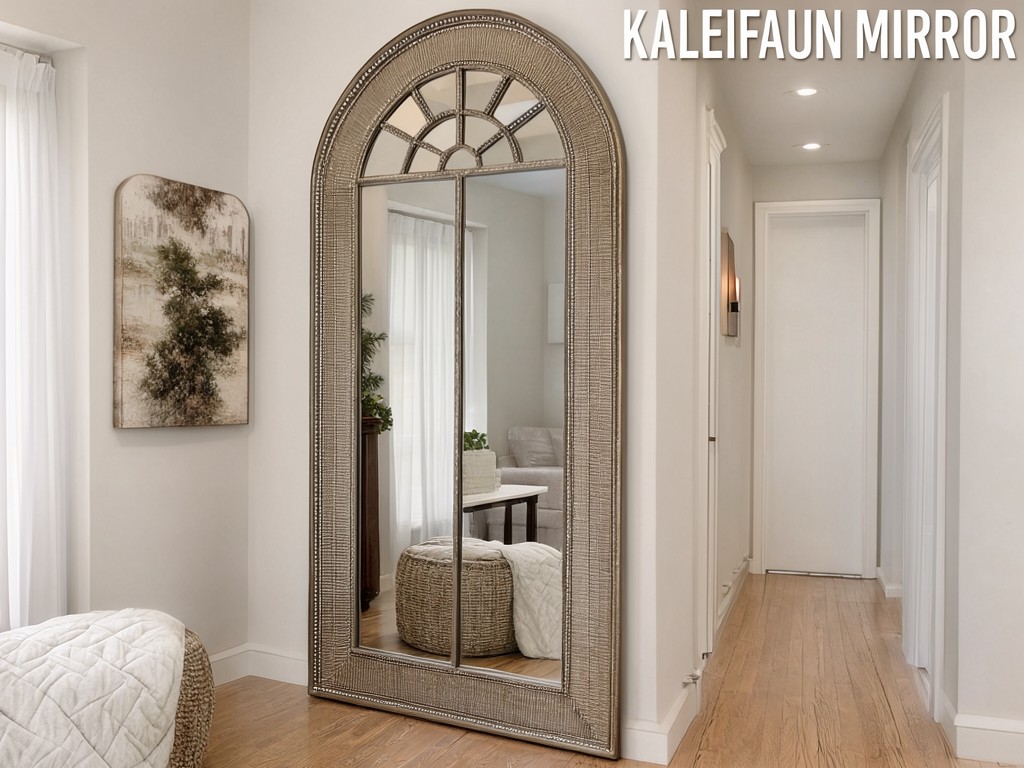
custom extra large entryway arched floor mirror factory - Bulk Supply and Specification Guide
Returns usually trace back to the same weak point: oversized glass or frame components that vary between batches, or edge protection that does not survive freight. For importers and OEM buyers, a repeat-order review should cover glass dimensions, frame alignment, backing and packing as one system.
An arched floor mirror is judged by a clear reflection, an even arch, stable support and a finish that holds up to routine wiping. Agreeing on those points before production gives inspection a usable reference and reduces disputes over what counts as an acceptable unit.
How It Performs in Use
A large reflective panel makes small production differences easy to see. Uneven arch radii, glass distortion, frame twist or a gap at the mirror edge can all show up after installation, even when the product remains intact.
Cleaning conditions matter most at the perimeter. Abrasive pads can mark the reflective surface, while excess moisture or chlorine-containing cleaners may reach exposed metal edges and affect coatings or joints. Sunlight through an entryway window is more likely to fade a frame finish or stress backing materials than to alter the glass itself. For routine care, specify a soft cloth and a cleaner approved for mirrors; keep liquid away from seams and promptly dry any frame or edge that gets wet.
Set the cleaning method alongside the finish approval sample. If a buyer requires frequent disinfectant use, test the proposed frame finish and edge construction against that cleaning routine before locking the production specification.
How It Is Built and What That Changes
A typical construction uses mirror glass cut to an arched profile, finished edges, a protective backing layer and a perimeter frame or support assembly. The factory process runs from glass and frame material inspection through cutting, edge work, mirror-surface checks, backing application, frame fabrication, assembly and final inspection. Where a buyer requires tempered mirror glass, confirm the glass source and edge design before approval; that choice can affect cost, available sizes and the production route.
Edge quality and frame fit are linked. A frame that forces the glass into position can create pressure at the perimeter, while loose fit can leave the edge vulnerable during handling. Production checks should compare overall dimensions, arch symmetry, frame alignment, visible surface defects and support stability against the approved sample or drawing. For repeat orders, retain that reference and record material and finish changes by batch.
OEM and ODM Programme Structure
Choose the build around the installation method and cleaning exposure first; then freeze appearance details. The selection path below helps separate structural decisions from finish choices.
- If the mirror will stand on its own, specify the support arrangement, frame stiffness and an anti-tip provision suited to the intended floor and placement.
- For a lean-to format, confirm the contact points and wall protection so the frame does not slip or rub through its finish.
- For a wall-mounted format, confirm the fixing method, hanging hardware and the wall-side load path before artwork or packaging approval.
- If frequent wiping or disinfectant exposure is expected, select the frame material and coating with the buyer's actual cleaning products in mind; approve a sample after the agreed cleaning check.
- If the sales channel depends on a specific colour, approve a physical finish sample under representative lighting. Digital colour references alone do not establish the final appearance of a coated or plated frame.
| Frame finish option | Typical colour direction | Buyer consideration |
|---|---|---|
| Powder-coated metal | Black, white, or a buyer-matched colour | A practical route for repeat colour orders; confirm coating coverage at corners and joints, where wear can expose the substrate. |
| Anodized aluminum | Metallic tones, subject to alloy and process availability | Colour range is less flexible than paint; confirm the approved sample and batch-to-batch shade tolerance before reorder. |
| Wood veneer or wood-look finish | Natural grain or printed wood appearance | Grain and shade can vary; define the acceptable visual range and protect edges from standing moisture. |
An OEM programme can hold the buyer's existing outline, finish reference, logo placement and retail pack format. ODM development can adjust the arch profile, frame section, support hardware or carton layout. In either route, changes to glass size or frame construction require a revised sample approval before bulk production.
Capacity, Tooling and Scheduling
Capacity depends on the mirror outline, frame material, finish route and packing method, not only on the number of units. A repeat model with approved dimensions and retained process references is easier to schedule than a new profile with unconfirmed samples or several finish variations.
Tooling may include cutting templates, frame-forming dies or assembly fixtures, depending on the design. Confirm whether new tooling is needed after the drawing review. The production schedule should begin after artwork, finish sample, construction details and packaging are approved; final timing also depends on material availability and the order mix. Share the forecast and target ship window early so the factory can plan glass, frame and packing inputs against the same revision.
For a reorder, request confirmation that the retained sample, bill of materials and inspection points still match the current order. That check can catch a substituted coating, backing material or support component before it reaches finished stock.
Packing, Marking and Freight Configuration
Large arched glass needs restraint at the edges and separation from hard frame components. Packaging should support the mirror in its approved transport orientation, protect the arch and corners, and prevent movement inside the carton or crate. A sample pack-out is useful before a full order, especially when the mirror travels through multiple handling points or ships assembled.
- Choose a carton or crate after the packed dimensions, gross weight and freight route are known; oversized units may need a custom outer pack.
- Use edge and corner protection with internal bracing that holds the glass clear of frame hardware. Keep components from rubbing against the mirror face during transit.
- Agree carton marks, handling symbols, model and finish identification, order reference and batch traceability before label artwork approval.
- Store packed mirrors upright where the pack design requires it, on a dry, level surface and away from impacts or prolonged damp exposure.
If freight damage has appeared on prior orders, share photographs of the carton, internal supports and damaged edge. That evidence helps distinguish a packing restraint issue from a glass or assembly defect before the next pack-out is approved.
Request a pre-production sample with the intended glass construction, frame finish, support hardware and export packing. Submit the target dimensions, reference images, cleaning conditions, order quantity and destination market so the sample reflects the repeat-order requirements.
Send the sample brief and drawing for review through our sample-request contact page.







