
custom full length gold arched floor standing mirror factory: Specification, Ordering and Quality Notes
What This Product Is and Where It Fits
| Configuration | Typical planning range | What changes the range |
|---|---|---|
| Full-length arched glass, floor standing | About 1500–1800 mm high × 400–600 mm wide; roughly 12–25 kg per unit | Glass thickness, frame section, backing, stand design and finished dimensions |
| Custom size or reinforced frame | Quoted against the approved drawing and material stack | Glass area, frame profile, support geometry and carton protection |
Material choice starts with the conditions the product will meet. A gold-finish metal frame around silver-backed mirror glass suits dressing rooms, studios and retail spaces where a full-body view and a decorative finish both matter.
A lighter frame can lower handling and freight costs, but it may flex more if the stand is narrow or the mirror is tall. Glass thickness, frame section and support geometry need to be considered together; choosing each part separately can leave the unit top-heavy or prone to movement on uneven flooring.
Confirm the intended floor-standing angle, stand footprint and finished height on the sample. Those details affect stability, usable viewing area and the space required in the export carton.
Requirements by Buyer Segment
Cost and durability pull in opposite directions once the mirror moves from occasional home use to daily commercial handling. The useful comparison is cost per unit sold and retained, not the lowest initial purchase price.
| Usage level | Buyer and use pattern | Selection priority |
|---|---|---|
| Frequent shared use | Club or studio purchasing manager placing mirrors in changing or practice areas, where users may reposition the unit throughout the day | Stable support, protected glass edges, finish that tolerates routine wiping and easy-to-check incoming condition |
| Retail and distributor stock | Distributor or importer holding mixed sizes and supplying home, hospitality or retail projects | Repeatable dimensions and gold tone, carton efficiency, clear item identification and low transit damage |
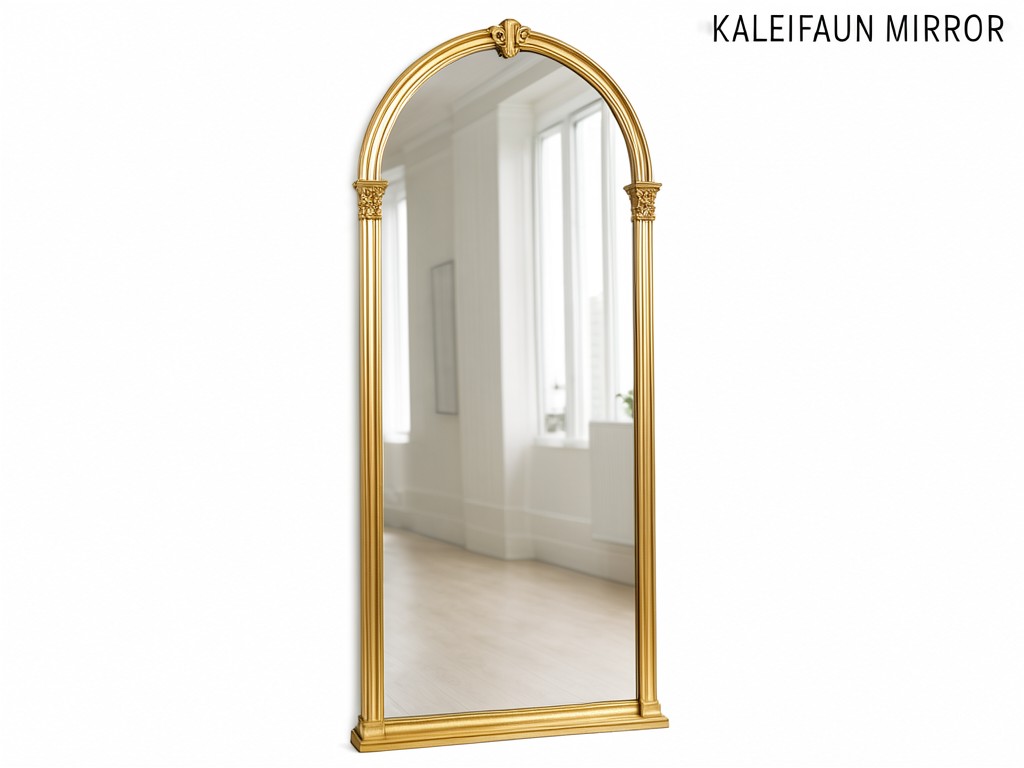
For shared-use locations, a stand that remains planted during ordinary repositioning can prevent returns and service calls. For distributors, colour drift between production lots can be just as costly: a frame that reads warmer or paler beside the previous shipment may be difficult to sell as the same range.
Working as a Production Partner, Not a Catalogue Supplier
Where chlorine, sweat or UV exposure is routine is not the main design brief for this product; cleaning agents, fingerprints, edge contact and repeated movement are more relevant. A factory partner should lock the frame profile, gold finish reference, glass size, backing and stand details against an approved sample before the first bulk run.
Tooling and setup costs are spread across the order volume. A custom arch profile or non-standard frame section may add setup time and cost at a small quantity, while a larger confirmed run can distribute those costs across more units. Volume also affects scheduling: a factory must reserve glass, frame material and finishing capacity before it can offer a dependable dispatch window.
Standard Frame Profile
A stocked profile and established finish usually keep setup simpler and make smaller repeat lots easier to schedule. The trade-off is less freedom in the arch proportion and frame width.
Custom Profile or Finish
A bespoke section, colour match or dimension may need dedicated setup and sample approval. Higher volume can reduce the setup cost per mirror, but it does not remove the need to confirm lead time and finish consistency.
OEM and ODM work can include frame dimensions, gold-tone selection, backing details, private-label packaging and retail markings. Supply the target dimensions, reference finish and intended quantity together so the quotation reflects the production setup rather than a catalogue estimate.
Quality Control and Batch Consistency
Gold-tone coating wear, chipped glass edges, a loose stand and visible mirror distortion are common sources of complaints. Inspection should compare the finished unit with the approved sample and purchase specification, not rely on a visual check of the frame alone.
- Check overall height, width, arch symmetry and stand position against the approved drawing.
- Inspect the frame for finish coverage, scratches, dents and noticeable shade variation under consistent viewing conditions.
- Review glass edges, backing coverage and the reflected image for visible defects or distortion.
- Open and close or reposition the stand as designed; check its fasteners and contact points for looseness or damage.
- Record inspection findings by production lot so a repeat order can be compared with the retained reference sample.
A change in glass supplier, coating batch or frame profile can alter appearance and finished weight. Buyers should agree which changes require written approval before production, particularly when maintaining a coordinated range across multiple sizes.
Keeping Repeat Orders Supplied
Repeat availability depends on more than a finished-goods stock count. Glass size, frame material and the selected gold finish all need to be available in time for the planned production slot.
For distributors with uneven demand, a forecast and release schedule can help balance order volume against warehouse space. Larger consolidated orders may reduce setup cost per unit, while smaller releases can reduce the amount of finished stock held at once; the best arrangement depends on storage capacity, forecast accuracy and the factory’s material reservation terms.
Confirm lead time separately for first production and repeat production. A first order may include sample approval or setup, while a repeat run can move faster only if the approved construction and materials remain available.
Packing, Marking and Freight Configuration
Glass breakage and frame abrasion can erase the savings from a lower unit price. Carton design should separate the mirror face from hard contact, protect corners and secure the stand so it cannot strike the glass during handling.
For export orders, confirm the carton dimensions, units per outer pack, handling marks and retail label requirements before packing approval. A larger carton may offer more cushioning but use more freight space; test the proposed pack configuration against the buyer’s storage and freight plan rather than comparing packaging cost alone.
Ask for the final carton dimensions and gross weight by mirror size. Those figures affect freight quotation, pallet planning and the number of saleable units that fit in a shipment.
Artwork and Branding Review
Send the target size, expected order volume, preferred gold finish, branding files and destination market for review. We can check whether the requested frame and packaging choices suit the planned run, then confirm sample, tooling, lead-time and freight details before a purchase order is placed.
Request an artwork and branding review with your drawing or reference images to start the specification discussion.







