
Custom Oversized Arched Floor Mirror Factory: What Buyers Should Check Before Ordering
Replacement rate, not unit price, sets the real cost of an oversized floor mirror. A small change in glass flatness, frame alignment or edge protection can turn into visible distortion, damage in transit or a return that erases the saving on the order. The buying decision should balance mirror construction, finished weight and export packing against the retail price the unit needs to support.
What Actually Determines Performance
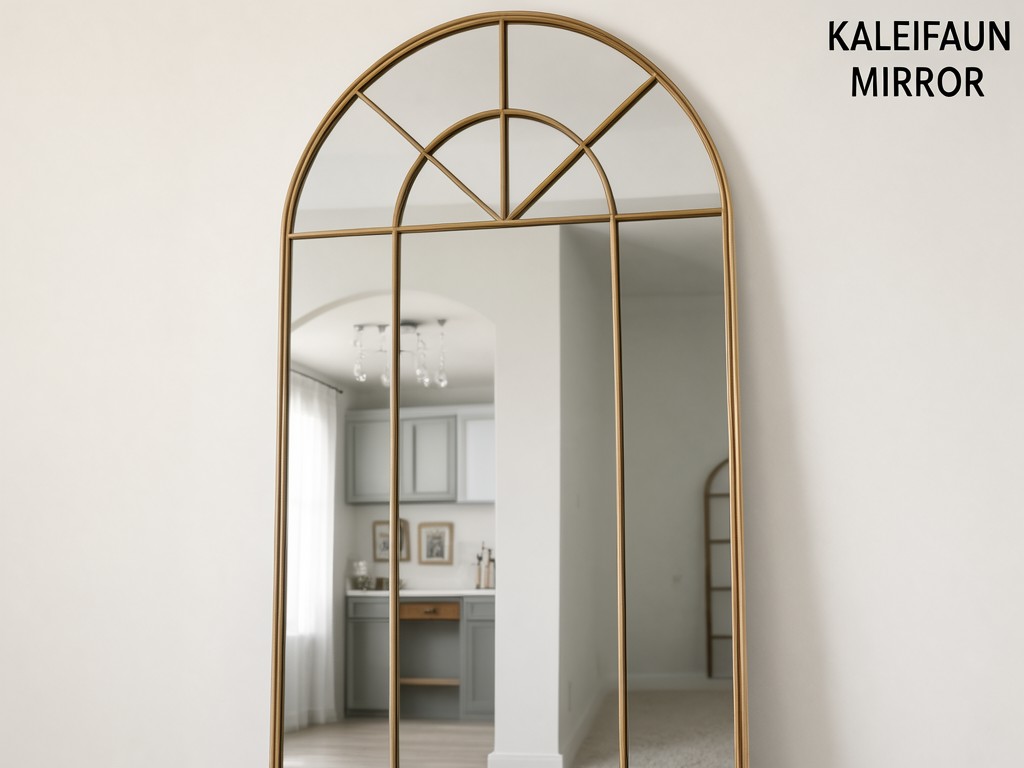
A full-length reflection depends on the glass staying flat within its frame and the frame staying square under the panel’s weight. Typical construction uses silvered mirror glass, a protective backing layer and an arched frame assembled around the finished glass. CNC cutting and ground or polished edges help control the arch profile and reduce exposed sharp edges; the backing and perimeter still need protection from moisture and impact.
Thicker glass adds mass and freight cost, but may suit a larger format where handling and support conditions place more demand on panel stiffness. A lighter frame lowers shipping weight, while a frame that twists or presses unevenly against the glass can create fit problems or an inconsistent reflection. Set the glass thickness, frame section and support method together, then hold those details constant across the approved sample and production order.
These mirrors are generally specified for indoor use. A sealed edge and sound backing can help with ordinary changes in room humidity, but they do not make a floor mirror suitable for wet rooms, direct water exposure or outdoor placement.
Measured Performance in Real Use
| Typical finished size (W × H) | Indicative finished weight | Typical glass and frame considerations |
|---|---|---|
| 600 × 1600 mm | About 13–18 kg | Often paired with 4 mm mirror glass; frame and support design affect the final mass. |
| 800 × 1800 mm | About 18–25 kg | Confirm the frame profile and rear support against the chosen glass thickness. |
| 900 × 2000 mm | About 26–33 kg | A 5 mm glass option increases panel mass; allow for the added handling and freight load. |
These are planning ranges for the finished mirror, not packed shipping weights. Frame material, hardware, glass thickness and rear support change the result. Approve a production sample against agreed overall width, height, arch profile and weight range; drift in any of these can alter the customer’s impression and make replenishment stock look inconsistent.
Working as a Production Partner, Not a Catalogue Supplier
Tooling amortisation decides whether a frame change makes sense at your order volume. A new profile or forming tool adds setup cost; a proven profile can lower the cost per sellable unit, provided it meets the required size, finish and support needs. Confirm the sample, packaging specification and branding artwork before authorising the production run.
For OEM and ODM orders, the factory handoff should capture the approved drawing, critical dimensions, glass and frame construction, surface finish reference, packaging layout and carton markings. Those records give production and purchasing a common reference when orders repeat. Keep the sample approval tied to the same revision as the artwork and packing files; otherwise, a correct mirror can still arrive with an outdated retail presentation.
The cost review should include yield from glass cutting, frame setup, protective packaging and the expected freight configuration. A lower ex-factory price is not a saving if corner damage or finish variation pushes up replacements and customer-service handling.
How Consistency Is Held Across Batches
Aluminum Frame
A formed aluminum profile can keep frame weight down, which can help with freight and in-store handling. The finish reference and profile dimensions need control from lot to lot so a replacement unit does not show a different colour or edge line beside earlier stock.
Steel Frame
Steel can provide a firm perimeter for larger formats, with a weight penalty that affects packing and delivery cost. Coating coverage and colour matching need repeatable process controls, especially at joints and edges where wear or corrosion can become visible.
Batch control starts with a fixed approved specification, not visual judgement at the end of the line. Record glass dimensions, overall mirror dimensions and finished weight against the order requirements; check frame fit, arch symmetry, coating appearance and backing condition against the retained sample. Separate nonconforming units before packing so mixed lots do not reach the same retail shipment.
A unique order or batch reference on cartons helps connect customer reports to the production record. That traceability matters when a buyer needs to distinguish a one-off freight claim from a recurring issue with glass fit, frame finish or packaging.
Setup, Use and Replacement Parts
Placement
Use a level floor and the supplied support hardware. A tilted or uneven setup can place uneven pressure on the frame and affect how the mirror sits.
Cleaning
Use a soft cloth and a suitable glass cleaner. Apply cleaner to the cloth rather than soaking the mirror edge or rear backing.
Replacement
Confirm availability of replaceable feet, brackets or fasteners. If the glass breaks, a replacement panel may require factory fitting because the arch, edge clearance and frame dimensions must match.
For a repeat order, match replacement parts and mirror dimensions to the original approved revision. Small changes in foot height or bracket position can alter stability, while a different glass cut can prevent correct seating in the frame.
Review Artwork and Branding Before Release
Send the mirror specification and packaging artwork for review before the production file is released. Confirm carton markings, brand presentation and the approved sample revision in the same review so the shipped unit matches the retail plan.
Request an artwork and branding review






