
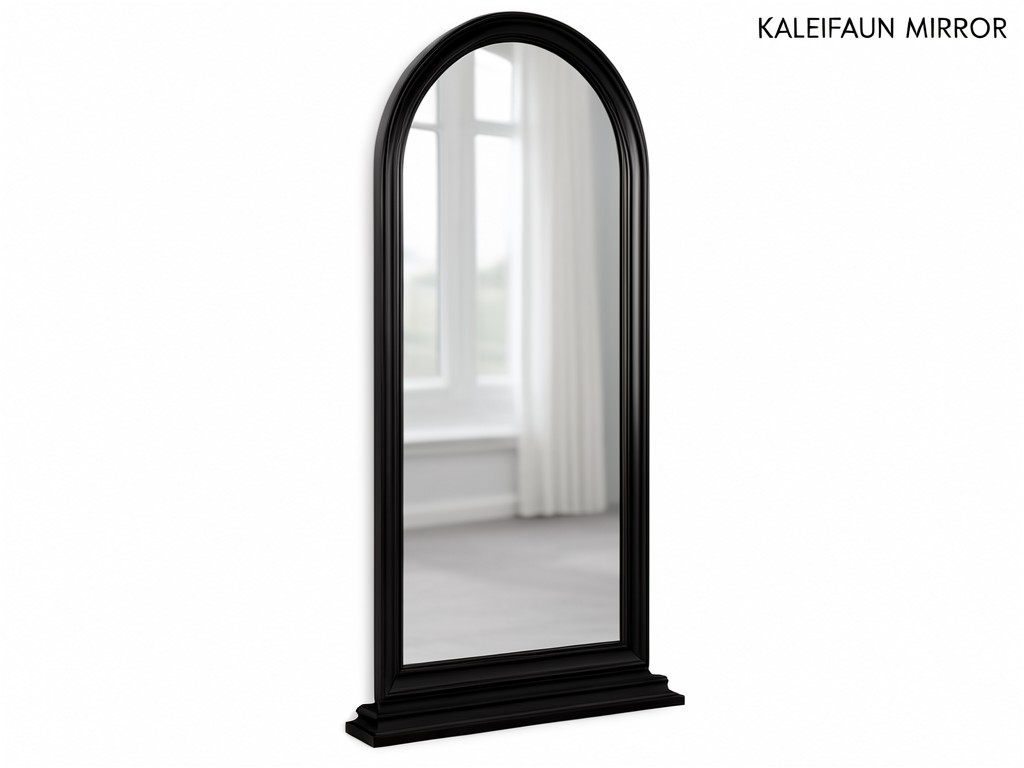
Specifying Customized black arched standing mantel mirror Factory for Wholesale and OEM Orders
When a brand extends an existing range, a black arched mantel mirror has to match the established proportions, finish and tabletop footprint—not just the product photo.
For a private-label buyer qualifying a second source, the key is repeatability across production lots. Small changes in arch profile, frame width, black tone or stand position can make a replacement order look different on shelf and lead to avoidable returns.
Where Cheaper Alternatives Fall Short
| Usage level | Typical buying context | Specification to hold steady | Risk if it drifts |
|---|---|---|---|
| Occasional home use | Single-room décor purchase with limited repositioning | Arch symmetry, clear reflection and stable support | Visible unevenness or a stand that feels loose can prompt a return |
| Frequent retail handling | Distributor or homewares retailer replenishment across multiple locations | Frame finish, edge protection and packed dimensions | Finish variation and transit damage complicate replenishment and claims |
| Repeat seasonal orders | Private-label range with repeat runs and coordinated displays | Approved drawing, black finish reference and assembled balance | A visibly different replenishment lot can undermine range consistency |
A lower unit price can come from thinner frame sections, a less controlled surface coating or reduced packing protection. Those savings matter only if the mirror still arrives without chipped glass, frame marks or a stand that shifts under normal tabletop use.
Returns add more than replacement freight: a buyer may need to separate affected lots, pause replenishment and handle customer complaints. Agreeing the visual reference and inspection points before a second source enters production gives both factories a common basis for comparison.
Construction Method and Its Effect on Consistency
Production typically starts with a controlled glass size and arched profile, followed by edge finishing and mirror coating. The frame is formed or assembled to the approved outline, finished in black, then joined to the glass and fitted with a rear support or standing hardware. Each stage affects the next: variation in the glass perimeter changes the visible frame reveal, while a shifted support changes how the mirror sits on a mantel.
Lower-Cost Frame Build
A simpler frame profile and standard black finish can suit price-led ranges with a fixed size and limited handling. Confirm frame stiffness and coating coverage around the arch and joints; thin sections can show dents or uneven reveal more readily.
This option keeps material and finishing steps controlled, but leaves less room for variation in handling and freight conditions.
Reinforced Frame and Support
A more substantial frame or reinforced rear support adds material and assembly cost. It can be the better fit when the mirror is larger, handled frequently or expected to stand securely on a narrow mantel.
The extra structure changes packed weight and carton requirements, so confirm the assembled and shipping configuration before costing.
Consistency rule: retain an approved sample, drawing and finish reference for each order. Set acceptable dimensional variation and visual criteria with the buyer before bulk production; do not rely on a product image alone to judge arch shape or black tone.
Matching the Product to the Buyer's Need
Start with the shelf or mantel footprint, then set mirror height, width, frame depth and stand angle against that space. A compact model is easier to position and ship; a larger viewing area needs enough support depth and a carton that protects the arch without allowing the mirror to move.
| Configuration factor | Standard cost direction | Buyer-facing effect | Approval point |
|---|---|---|---|
| Glass size and thickness | Larger or thicker glass raises material and packing requirements | Viewing area, overall weight and handling feel | Finished dimensions, edge finish and assembled weight |
| Frame material and section | More material or formed detail adds fabrication and coating steps | Perceived solidity, frame width and visible border | Profile, joint appearance and finish sample |
| Rear support and stand angle | Additional hardware or reinforcement increases assembly content | Tabletop stability and viewing position | Open position, contact points and fold or fixing method |
The selected option should be costed as a complete unit, including stand, finish, protective inserts and retail pack. Comparing frame prices alone can hide the freight and damage costs of a configuration that needs a larger carton or better internal restraint.
Requirements by Buyer Segment
Private-Label Buyers
A private-label team usually needs controlled artwork, repeatable dimensions and a finish that sits beside existing products without a visible mismatch. Supply the approved logo file, label placement, carton marks and any retail-pack requirements before the sample is signed off. Keep the sample reference tied to the production drawing so a second source does not interpret a photograph as the sole specification.
Distributors
Distributors need stable carton dimensions, clear product identification and predictable replenishment. A modest difference in packed size can affect pallet planning; a change in black finish or arch proportions can make stock from different runs harder to present as one assortment. Share forecast windows and order mix early so the factory can plan components and confirm the repeat specification.
Working as a Production Partner, Not a Catalogue Supplier
A second-source project works best when the buyer provides the current sample, drawing and known complaint history. The factory can then identify which features are fixed—such as the arch outline and black finish—and which can be adjusted for cost, packing or assembly.
Before bulk release, review the pre-production sample against agreed dimensions, stand operation, finish appearance and retail packaging. Record approved changes by revision; otherwise, an adjustment made to improve one run can create drift in the next.
For source qualification, request a quotation against the same configuration and packing basis used by the current supplier. That makes unit-cost differences, tooling needs and freight impact easier to compare.
Inspection Items and Test Methods
Inspection should focus on the points that change the customer's view or the product's ability to stand securely. Agree acceptance criteria against the approved sample before production; visual checks without a reference leave too much room for lot-to-lot interpretation.
- Measure overall height, width, frame reveal and stand position against the production drawing.
- Compare black finish under consistent viewing conditions for shade, gloss and visible coating defects.
- Inspect the mirror face and edges for scratches, chips, coating marks and reflection distortion.
- Check the assembled unit on a flat surface for rocking, stand movement and secure contact at the support points.
- Record sample and bulk unit weights as a consistency check; investigate a shift that could indicate a changed glass or frame configuration.
A practical inspection record identifies the order lot, drawing revision, sample reference and disposition of any rejected units. This gives the buyer a traceable basis for comparing repeat orders rather than relying on memory or isolated product photos.
Export Packaging and Handling Protection
Glass needs restraint at the face, edges and corners; the frame needs separation from surfaces that can rub through the black finish. The carton should hold the mirror and support in position through normal handling, with internal protection matched to the finished size and weight.
Confirm whether units ship in individual retail cartons or consolidated master cartons, then review packed dimensions and stacking orientation before final costing. A sample pack-out can expose movement or pressure points early, when the insert layout is still practical to change.
Apply the buyer's SKU, barcode and carton marks only after artwork approval. Retain packaging revisions with the product specification; changing inserts or carton size between runs can alter both damage risk and freight efficiency.
Setup, Use and Replacement Parts
Place the mirror on a level, stable surface and open or secure its rear support as designed. For cleaning, use a soft cloth and a suitable glass cleaner; keep liquid away from frame joints and rear hardware, where trapped moisture can affect the finish or connections.
Replacement support parts are easiest to manage when the buyer identifies the model, drawing revision and affected component. Confirm whether the stand or fixing can be supplied separately before launch; a frame or glass change may require a matched assembly rather than a single-part replacement.
Review a Second-Source Quotation
Send the current sample or drawing, target order quantity, finish reference and export-pack requirements for a like-for-like quotation review. Include any recurring issues from the existing supply so the proposed specification addresses the points that affect returns and reorder consistency.







