
Discount large vintage arched mirror vendor: Specification, Ordering and Quality Notes
Selection trade-off: a lower-cost mirror usually means a simpler frame profile or finish and fewer protective details. For second-source qualification, align the approved glass size, arch outline, finished dimensions and colour reference first; otherwise small lot differences can create visible mismatches, store returns and rework.
When a brand extends an existing range, a large arched mirror has to match the original wall presence as well as its finish. A replacement supplier can make a similar-looking product, but a small change in arch radius, frame width or colour shifts the appearance across a retail display or a multi-piece order.
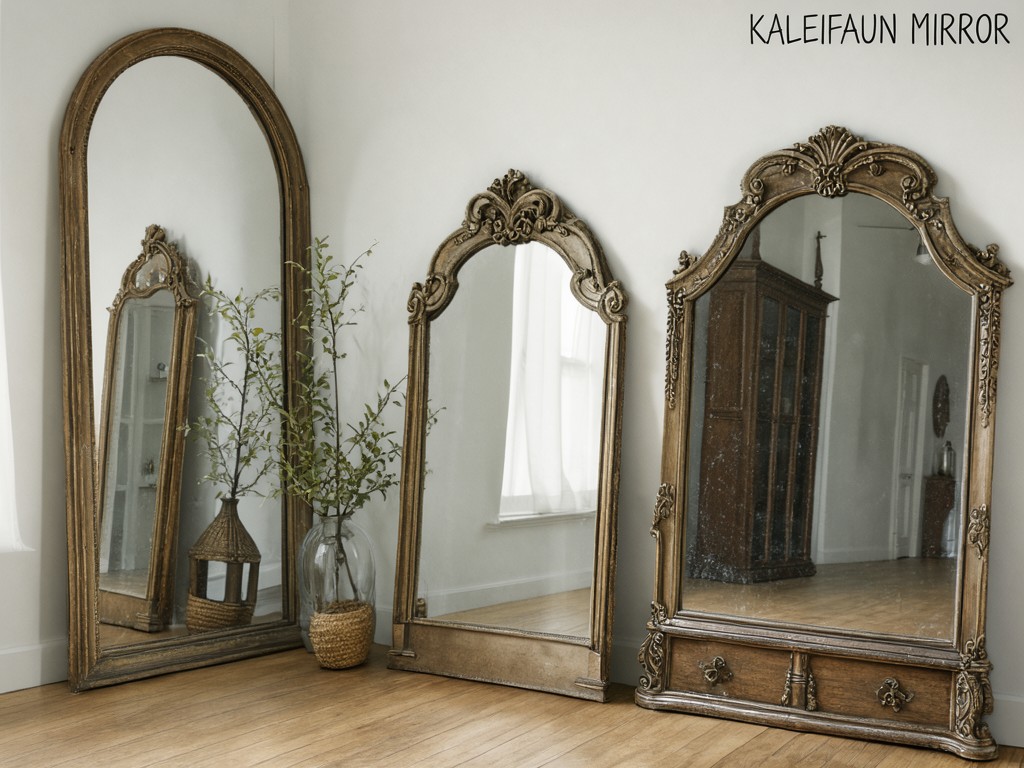
This page covers framed decorative mirrors made with cut mirror glass, a shaped arched profile and a finished supporting frame. Buyers should treat the approved sample and drawing as the reference for repeat orders, then confirm which dimensions and finish characteristics will be checked on every lot.
Size, Weight and Specification Range
Large formats commonly sit around 600–900 mm wide and 1,200–1,800 mm high, subject to the frame design and packing limits. These are planning ranges, not fixed catalogue sizes. A change to width, height or arch geometry can affect the glass pattern, frame tooling, carton dimensions and freight cost.
Glass thickness is often selected from 3–5 mm according to the mirror size, support design and target price. As a rough material estimate, 4 mm mirror glass weighs about 10 kg per square metre before the frame, backing and hardware are counted. Confirm the finished-unit weight from the production specification; it affects handling instructions, wall-fixing choices and transport packaging.
For a second source, compare the complete dimensional definition rather than the headline size alone. Record the overall height and width, frame face width, glass opening, arch profile, edge treatment, hanging-point location and finished weight. Agree inspection tolerances against the drawing before a purchase order is released.
| Finish and colour option | Buyer specification point | Cost or consistency consideration |
|---|---|---|
| Painted or powder-coated metal frame | Define colour reference, sheen and acceptable surface texture. | A controlled coating process supports repeat colour; profile changes can alter the apparent shade through different light reflection. |
| Brushed or plated-look metal finish | Approve the direction and character of the grain or metallic effect using a physical sample. | Visual variation is more noticeable across adjacent units; retain an approved reference for lot checks. |
| Wood or wood-look frame | Specify stain or print tone, grain direction and the expected variation range. | Natural grain differs between pieces; a printed or coated surface can offer closer visual matching at a different material and process cost. |
Assumptions Buyers Should Stop Making
“Same size” does not guarantee the same mirror. One supplier may quote overall frame dimensions while another measures the glass area; the arch can also differ even when the maximum height and width match. Put both the dimension method and the arch outline on the controlled drawing.
Do not assume that vintage styling requires intentional irregularity in every finish. A distressed effect can be part of the design, but it still needs an approved appearance range. Without one, different levels of distress, gloss or colour shift may pass factory inspection yet look inconsistent when units are merchandised together.
Another common error is treating a decorative mirror as suitable for any damp or outdoor location. Frame coatings, backing and hanging hardware have different exposure limits. Specify the intended room and exposure, then check the construction against that use rather than relying on a general “weather resistant” description.
Second-source control: approve one signed sample and drawing set, then use them to compare arch shape, overall dimensions, frame finish and weight at incoming inspection. Uncontrolled drift can split a reorder into visibly different groups and increase returns even when each unit is usable.
Customisation Options and Their Limits
Frame material and profile, glass dimensions, edge treatment, backing, hanging hardware, carton design and retail labelling can usually be specified. A flatter, simpler frame profile generally costs less to form and finish. A deeper or more detailed profile adds material and process steps, and it can increase finished weight and package size.
A bespoke arch outline or frame section may require a new pattern, fixture or forming tool. That adds setup cost and approval time, while an existing profile can shorten the development path but may limit the exact frame width or curve. Ask the vendor to separate one-time tooling from unit pricing so the cost remains visible at reorder.
Finish matching has practical limits. A physical approval sample gives a stronger reference than a screen image, particularly for metallic effects, brushed grain and wood-look patterns. State whether the accepted range is based on visual comparison, a colour reading, or both; align the inspection method with the finish type.
Serviceability can be improved through replaceable hanging hardware and a backing arrangement that allows access without stressing the glass. Any change to the fixing system must still suit the mirror’s actual weight and the intended wall installation. The vendor should document hardware position and included components on the approved specification.
Usage Scenarios and Buyer Segments
Retail buyers often place large arched mirrors in bedroom, entryway or dressing-room displays. The product must arrive without glass damage or frame scuffs, and repeat shipments need a close match in outline and finish so a replenishment unit does not look out of place beside earlier stock.
Importers planning a second source should compare export cartons, internal corner protection, pallet arrangement and handling marks along with the product itself. Large glass surfaces are vulnerable to edge impact and pressure during transport; packaging approval should reflect the shipment route and handling pattern.
For humid bathrooms or covered entrance areas, buyers should confirm the exposure limits of the frame finish, backing and hardware. A decorative mirror intended for a dry interior should not be repositioned outdoors solely because its frame is metal. Direct rain and standing moisture can reach joints, fasteners or unprotected edges and shorten service life.
| Use condition | Construction and inspection focus | Serviceability note |
|---|---|---|
| Dry residential interior | Check glass edges, frame joints, finish consistency and secure hardware placement. | Provide fixing details appropriate to the product weight and the expected wall installation. |
| Humid bathroom or changing area | Confirm coating, backing and hardware suitability for the stated humidity and ventilation conditions. | Inspect exposed joints and edges; avoid assuming a dry-room construction tolerates repeated moisture exposure. |
| Covered entry or other variable indoor exposure | Review temperature changes, condensation risk and possible contact with rain before selecting frame and hardware finishes. | Direct weather exposure is outside the intended use unless the complete construction is specified and assessed for it. |
Capacity, Tooling and Scheduling
During a private-label launch with a fixed ship date, schedule risk usually sits in sample approval, custom frame development, packaging confirmation and production allocation—not just factory assembly. An existing frame profile can reduce setup work; a new arch pattern, finish match or carton structure needs time for review and correction before bulk release.
Ask the vendor to quote sampling, tooling, minimum order quantity and production timing as separate items. Capacity depends on size mix, finish changes, glass availability and packing configuration, so a broad monthly output claim does not establish the schedule for a particular order. Request a confirmed plan against the approved specification and ship window.
For repeat orders, retain the approved sample, drawing revision, finish reference and packing specification. Lot checks should compare overall size, arch profile, unit weight and visible finish against that record. Batch identification on cartons and production documents helps isolate a discrepancy before stock is mixed across shipments.
A practical qualification begins with a sample request that states the target dimensions, intended use, frame finish, required hardware, order quantity and destination. Share any existing reference sample or drawing before pricing; the vendor can then identify where a close match is feasible and where a tooling or cost change is likely.
To qualify a second source for large vintage arched mirrors, request a sample and share your specification. Include your target ship date and reference finish so the review can address product match, tooling and export packing before the order is booked.







