
Large arched gold mirror wholesale: Specification, Ordering and Quality Notes
The limiting factor is rarely the headline specification. A launch date is more exposed to late finish approval, changing dimensions, or a mismatch between the approved sample and the production batch.
For retail and wholesale buyers, the useful starting point is a repeatable glass, frame, finish, and mounting specification. Large arched gold mirrors are typically supplied as a finished assembly; glass shape, frame profile, gold tone, backing, and hanging hardware all affect the landed unit cost and return risk.
Scope of Supply and Physical Form
| Configuration | Use and finish behaviour | Batch and cost consideration |
|---|---|---|
| Steel frame with a gold-tone powder-coated finish | A practical choice for a defined frame profile. A coating chip can expose the steel beneath, so handling and finish inspection matter. | Often offers a cost-conscious route; the approved shade and coating appearance need to stay fixed across replenishment orders. |
| Aluminum frame with an anodized or applied gold-tone finish | Lower frame mass can ease handling. Profile section and joint design must provide enough stiffness for the mirror size. | Finish route and alloy affect shade matching and price; confirm the intended appearance against a signed sample. |
| Glass mirror, backing, and wall-mount hardware as a finished unit | The arch outline, glass reflection, backing coverage, and hanger position determine the finished presentation and installation fit. | Lock the complete assembly definition before sampling; separate component substitutions can change fit and appearance. |
The standard supply scope can include the shaped mirror glass, frame, rear backing, and mounting hardware. Retail buyers should confirm whether the quote covers a wall-ready assembly or excludes any installation components. Exact overall dimensions, frame width, glass thickness, and hanger location belong in the approved product drawing rather than an informal order note.
How It Is Built and What That Changes
Weight and stiffness trade off against each other. A steel profile can provide rigidity at a smaller section, but it adds mass to a large mirror. Aluminum reduces frame weight, though a narrow or poorly joined profile may flex and place uneven stress on the glass.
A typical production route cuts and finishes the mirror glass, forms or joins the metal frame, applies the selected gold-tone finish, then assembles the backing and hangers. Curvature control matters: inconsistent arch geometry creates uneven reveals around the glass and makes adjacent retail units look mismatched. Frame joints and glass support also need to limit movement during normal handling and wall installation.
Gold-tone finishes are not interchangeable by name alone. Agree the sample under consistent lighting, record the finish route and reference sample, and assess the actual production surface for shade, gloss, and visible defects.
Where This Product Beats Standard Alternatives
The arched outline and gold frame give a range a distinct visual identity without requiring a custom mirror shape for every room set. The advantage holds when the silhouette, finish tone, and frame proportions remain consistent from the launch assortment through repeat orders.
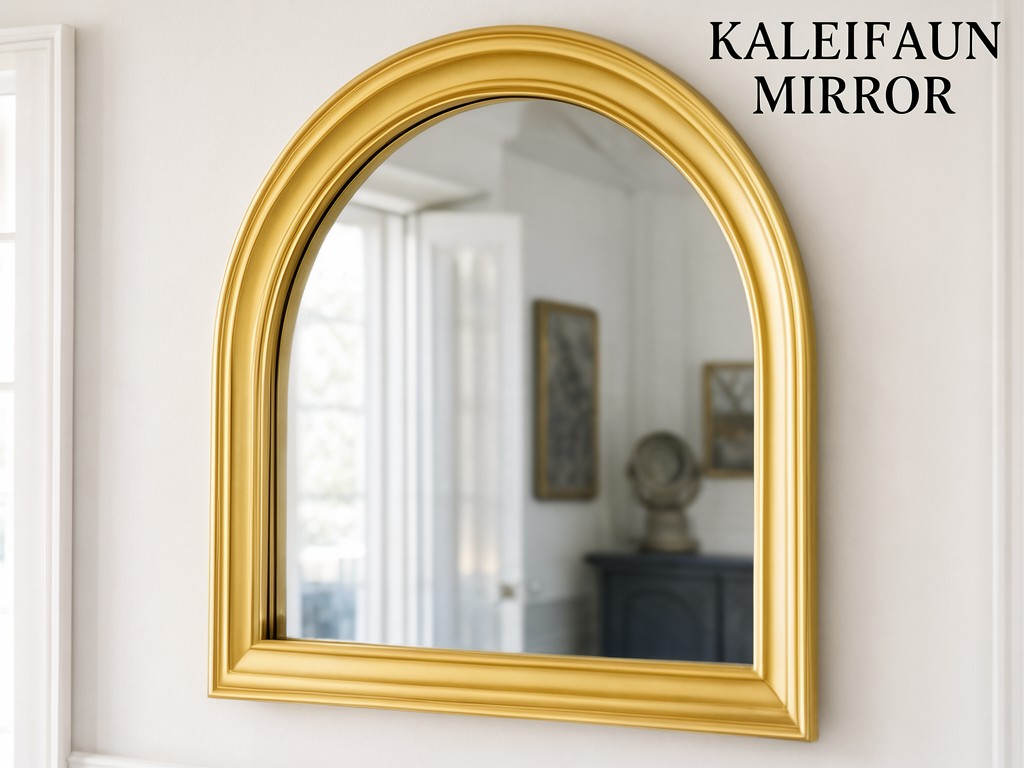
Arched Gold-Framed Mirror
Suits retailers building a coordinated decorative range or a focal-point display. The frame adds a finish and profile to control, so sample approval and batch shade checks carry more weight than they do for a plain edge mirror.
Standard Rectangular or Frameless Mirror
Usually has fewer visible frame details and may simplify finish matching. It can be a better fit where a restrained look or a lower-cost basic assortment matters more than a distinctive outline.
Weather resistance needs a realistic use boundary. These mirrors are generally intended for interior rooms, not locations with direct rain or persistent water exposure. For humid interiors, the buyer should specify the expected placement and request review of frame finish, glass edge protection, and backing materials before approving the construction.
Buying Mistakes That Lead to Returns
Repeat loading drives the failure. Repeated relocation, poor wall support, or a loose hanger can stress the frame and glass assembly; returns may then be recorded as breakage even when the root cause is a mounting mismatch.
- Ordering by nominal size alone. Confirm the overall height and width, arch profile, frame projection, and hanger position on the same drawing.
- Approving a gold finish from a screen image. Display settings and ambient light alter perceived tone; compare a physical sample under agreed viewing conditions.
- Treating finish names as a colour match. Different coating routes can produce different gloss and shade, even when both are described as gold.
- Choosing the lightest frame without checking rigidity. Frame deflection can shift support points and increase stress around the glass edge.
- Comparing unit prices while ignoring return exposure. Rework, replacements, and warranty claims can outweigh a small saving if batch appearance or mounting details vary.
Working as a Production Partner, Not a Catalogue Supplier
Private-label orders need a controlled product definition, not just a catalogue image. Share the target dimensions, frame material, gold finish reference, backing details, hanger arrangement, and branding requirements together. A factory can then assess whether the requested combination fits its cutting, frame-forming, finishing, and assembly processes.
Approve a production sample before the purchase specification is frozen. Record permitted visual variation and any agreed substitutions in writing. If the finish process or frame profile changes after approval, request a new sample review rather than assuming the original appearance will carry over.
How Consistency Is Held Across Batches
Repeat-order control starts with a retained reference sample and a fixed drawing revision. Those records give production and inspection teams a common basis for checking the arch shape, overall dimensions, frame alignment, finish shade, and hardware placement.
A practical factory check combines dimensional measurement, visual inspection of the reflective surface and frame, review of finish coverage at edges and joints, and a fit check of the mounting hardware. Where the sales channel expects use in humid interiors, agree an appropriate exposure review with the supplier; do not treat that as permission for wet-area installation unless the construction has been assessed for that condition.
Batch traceability should connect the approved specification to the production lot and inspection record. That makes it easier to distinguish a finish variation from a glass, frame, or installation complaint, and supports a more accurate warranty review.
Setup, Use and Replacement Parts
Install the mirror on a wall and fixing arrangement suited to the assembled unit's weight. The buyer should confirm the mounting method for the intended wall type and follow the supplied installation guidance; a mirror hanger is not a substitute for suitable wall anchors.
For routine care, use a soft cloth and a cleaner suitable for mirror glass. Keep excess liquid away from the glass edge, backing, and frame joints. Abrasive pads and aggressive chemicals can mark the gold-tone finish or damage adjacent materials.
Ask the supplier to identify replaceable hangers, pads, or other hardware in the approved parts list. Structural frame damage or a chipped mirror edge generally calls for a full-unit assessment rather than an improvised field repair.
For a sample request, send the target dimensions, preferred frame material and finish reference, intended room conditions, and private-label requirements. Request a sample and review the production specification before you lock the launch assortment.







