
Large arched wall mirror oem service - Bulk Supply and Specification Guide
Material choice starts with the conditions the product will meet. A large arched mirror may sit in a dry bedroom, a humid bathroom, or a retail display area, and those environments place different demands on its backing, edge protection, frame, and export pack. Select the glass and frame together, then approve the sample against the intended use and packed shipping route.
What This Product Is and Where It Fits
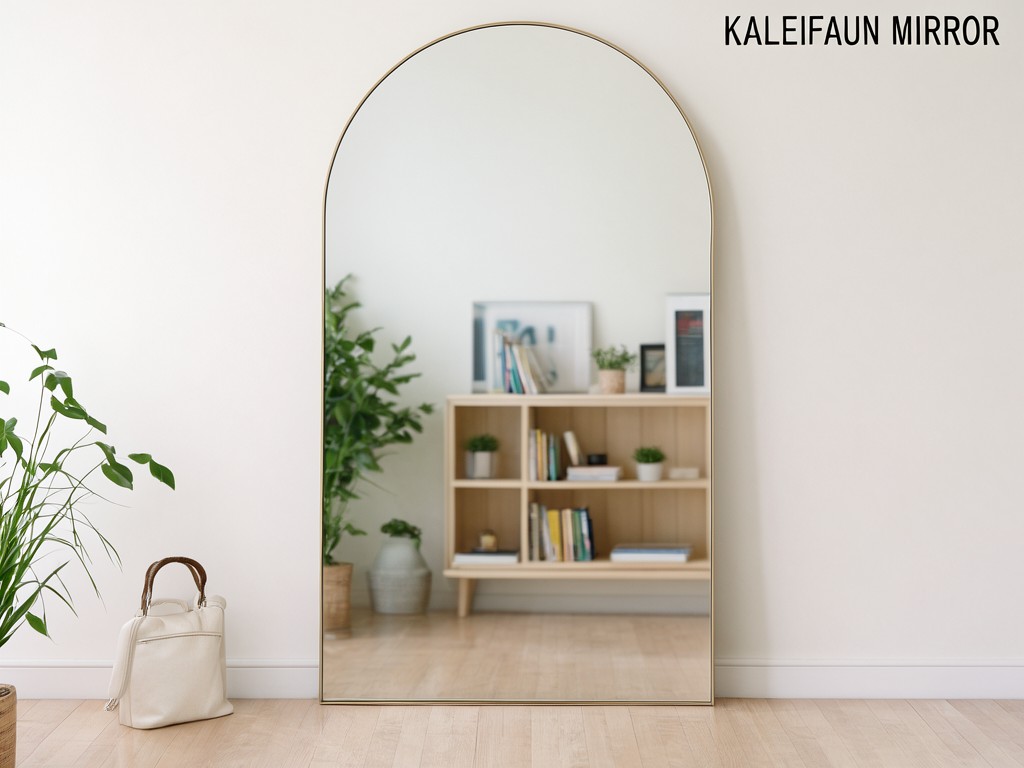
An arched wall mirror is a large decorative mirror with a curved top, prepared for wall mounting or supplied with a support arrangement suited to the design. An OEM program typically coordinates the glass shape, reflective coating and backing, edge finish, frame or border, hardware, branding, and protective packaging as one approved product specification.
Retail buyers judge the result beyond the purchase price. Glass distortion, frame fit, coating damage, inconsistent dimensions, and breakage in transit can each create returns or warranty claims. Matching the approved sample across repeat batches is therefore a cost-of-sales control, not just a factory detail.
Where Cheaper Alternatives Fall Short
A lower unit quote can come from thinner glass, a lighter frame, a simpler edge finish, less protective backing, or a smaller pack-out. Each choice can reduce material and freight cost, but it may also raise the chance of visible distortion, edge damage, frame movement, or transit breakage. The relevant comparison is the landed cost after replacements, handling, and customer claims.
The most vulnerable area is often the perimeter. Moisture can reach the reflective layer through an exposed or damaged edge, while a frame that does not support the glass evenly can add stress during handling or installation. For humid rooms, specify the backing, edge coverage, and frame materials for that use; do not treat a standard indoor mirror as an outdoor product.
Cost check: compare the quoted build and pack-out with the expected cost of a damaged-unit replacement. Safety backing can help retain fragments after breakage, but it does not prevent the glass from breaking.
What the Design Has to Balance
Construction options diverge as soon as weight matters. A larger glass panel adds visual presence but increases handling demands, wall-fixing load, and the consequences of a weak carton or poorly supported frame. A lighter frame can reduce shipping weight; if its section or joining method lacks stiffness, however, the arch may not sit evenly around the glass.
Reflective glass, backing, and frame should be specified as a set. The frame finish must match the brand’s colour sample, while its joints and attachment points need to hold the mirror in the intended orientation. For bathroom placement, choose materials and edge coverage with humidity in mind, and state any exposure limits in the product documentation.
Sample approval should record the arch profile, overall dimensions, glass appearance, frame colour, mounting arrangement, and carton configuration. That reference gives production and incoming inspection a shared basis for repeat orders.
What Actually Determines Performance
The mirror’s optical appearance depends on the glass surface and reflective layer. Uneven support, glass defects, or an inconsistent coating can produce visible marks or distortion under normal room lighting. A buyer should review the full-size sample from typical viewing positions, rather than approve a small material swatch alone.
Durability also depends on how the edge, backing, and frame interact. A sound coating cannot compensate for a chipped perimeter, and a well-finished frame cannot protect an exposed backing from repeated moisture. If the mirror is intended for a humid location, assess edge coverage and frame finish as part of the use specification, not as optional cosmetic details.
For private-label supply, controlled inputs matter as much as the first sample. Keep the approved materials, colour references, critical dimensions, hardware, and packing method tied to the production order so substitutions do not shift appearance or claim rates between batches.
Matching the Product to the Buyer's Need
Use the selection path below to balance shelf price with the costs that follow delivery. Each branch should be confirmed against the intended room, mounting method, and distribution route.
- Set the use environment.
- Dry interior placement: define the required appearance, frame finish, and mounting arrangement.
- Humid room: request suitable edge coverage and frame materials; agree the limits of the intended exposure.
- Set the handling and installation conditions.
- Frequent retail handling or parcel delivery: prioritize edge protection and a pack-out validated for the shipping route.
- Wall mounting: confirm the mirror’s weight, fixing locations, and the installer’s required wall hardware before artwork and packaging approval.
- Choose the cost control.
- If breakage claims dominate, review glass support and packaging before reducing material cost.
- If appearance variation drives returns, lock the reference sample, finish, and inspection points before a larger production run.
Assumptions Buyers Should Stop Making
“Same dimensions” does not always mean the same fit or appearance. A small change to the arch curve, frame width, or glass position can alter the product’s visual balance, so record the profile and key measurements on the approved drawing.
“Safety-backed” is not a claim that the mirror is unbreakable. The film may help hold fragments together after breakage, but safe handling, suitable installation, and clear user instructions still matter.
“Indoor use” is not a single exposure condition. A dry hallway and a bathroom with repeated humidity are different environments; specify the intended location and assess backing and edge details accordingly. Likewise, do not assume that a quote includes the final carton, retail label, or installation hardware unless the order states it.
Usage Scenarios and Buyer Segments
A retail buyer and a hospitality procurement team may select the same arch shape but face different cost risks. Use the comparison to align construction and export packaging with order handling, rather than treating the lowest factory price as the full cost.
| Usage level and buyer | Build and exposure focus | Packaging and cost exposure |
|---|---|---|
| Single-unit retail sale for bedrooms or dressing areas | Prioritize a consistent arch profile, clear reflective appearance, and a frame finish that matches the approved sample. | Use edge and face protection suited to warehouse handling and final-mile delivery. Carton damage or glass breakage can erase the saving from a lighter pack. |
| Hospitality purchasing for repeated room installations | Keep dimensions, mounting points, and frame colour aligned across rooms and reorder batches. Confirm any humid-room placement before choosing backing and edge details. | Specify protective separators and pallet or crate arrangements for the delivery route. Replacement labour and room downtime may outweigh a lower unit quote. |
| Private-label importer managing mixed-SKU container orders | Control SKU-specific artwork, finish references, hardware, and carton marks to prevent mix-ups between visually similar models. | Agree carton strength, corner protection, pallet pattern, and shipping marks before production. Validate the packed configuration against actual freight handling. |
What Gets Checked Before Shipment
Inspection should follow the approved sample and order specification. Measure the overall dimensions and arch profile at agreed points, check frame alignment and mounting hardware, and inspect the reflective surface and edges under suitable lighting for visible defects. Compare frame colour with the approved reference under consistent viewing conditions.
Packaging checks should confirm that the mirror cannot shift inside the carton, that corners and faces have suitable separation, and that labels match the SKU and destination requirements. If the distribution route presents a higher breakage risk, agree a packed-sample handling or transit assessment before the full order ships. Record inspection findings by batch so a later claim can be traced to the relevant production and packing run.
For an OEM or private-label launch, submit brand artwork, logo placement, colour references, carton graphics, and retail label details for review before production. Request an artwork-and-branding review with the target dimensions, intended use, and shipping plan so the sample and pack-out reflect the product you plan to sell.







