
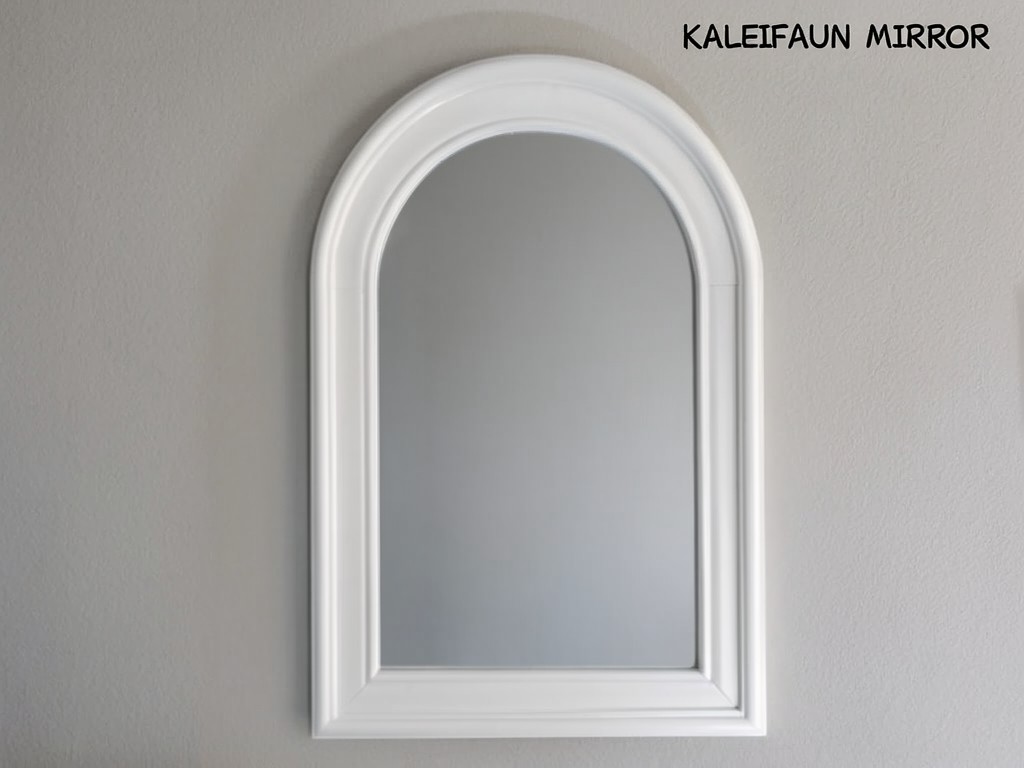
Specifying Large white arched window mirror for sale for Wholesale and OEM Orders
Most quality disputes start with a consistency gap: white frames arrive in slightly different shades, arch profiles vary between production lots, or the mirror sits unevenly in its frame. For private-label buyers and distributors, locking the reference sample and critical dimensions before a production run helps prevent those differences from reaching retail.
A large arched window mirror is judged as both a reflective surface and a framed furnishing. The quote therefore depends on the outside dimensions, glass thickness, frame construction, finish specification, mounting hardware and the packing method required for the destination.
What the Design Has to Balance
| Finish or colour option | Specification point to agree | Cost and repeat-order effect |
|---|---|---|
| Standard white paint or coating | Confirm the approved sample, sheen and acceptable colour variation. | Usually the simplest route for repeat orders when the finish is not tied to a retail colour reference. |
| Custom white matched to a physical sample | Set the sample as the colour master and specify the viewing conditions for approval. | May add setup and approval time; retained colour references help control later batches. |
| Low-sheen or higher-sheen white finish | Choose sheen against the intended room setting and the frame material. | A defined sheen target reduces visible differences across separately produced frame parts. |
The arch profile, vertical sides and any decorative divisions must read as one design from the front. Small changes in the arch template or frame assembly can shift the visual balance, even when the overall height and width remain within the quoted dimensions.
Glass thickness and frame support need to be specified together. For larger formats, a thicker mirror or a stiffer frame may add material and freight weight, while an under-supported assembly can flex during handling and leave the glass or joints vulnerable.
Where This Product Beats Standard Alternatives
For retailers selling a statement wall piece, the arched outline and window-style divisions give the mirror a distinct shelf identity that a plain rectangular mirror does not. The design can also suit hospitality and interior projects where a coordinated visual feature matters more than a minimal frame.
The trade-off is greater sensitivity to assembly and packing. A simple rectangle is easier to fixture and protect; an arched frame needs a profile-specific jig, careful joint alignment and shaped protection at the crown. Those controls matter most when the product ships in volume or moves through multiple distribution points.
Keep the approved arch template and assembly reference with the order record. A repeat run can then use the same profile setup rather than rely on visual interpretation of a photograph.
Comparing Two Standard Configurations
Frame material affects both the purchase price and the controls needed to hold the finished shape. Select against target retail positioning, intended size and expected replenishment volume rather than finish appearance alone.
Engineered Wood Frame
A practical option for painted white profiles and repeat private-label runs. CNC-cut components or dedicated profile tooling can help hold the arch shape; edge sealing and coating coverage need attention at joints and cut edges.
A larger order can spread profile setup and fixture costs across more units. Confirm the minimum economical run with the factory before changing the arch or frame section.
Solid Wood Frame
Solid wood gives a different material feel but brings more variation in grain, moisture response and paint absorption. Buyers should approve the permitted surface character and define how knots or filled areas are handled beneath the white finish.
Material selection and conditioning can raise unit cost and extend preparation time. A confirmed specification reduces rework when a large production lot uses multiple frame components.
With either configuration, custom arch tooling is easiest to justify when the size and profile will remain unchanged across repeat orders. Frequent design revisions can add setup time, require new fixtures and delay the next production slot.
How to Choose Before Requesting a Quote
A quote becomes more comparable when the buyer sends one controlled specification rather than a reference image alone. Include overall height and width, frame depth, glass thickness preference, the number and position of window-style divisions, finish sample requirements and the mounting arrangement.
- Mark critical dimensions on a drawing, including the arch radius or a full-size profile reference if the curve is not a standard shape.
- Identify whether the divisions are applied trim or part of the frame assembly; the choice changes labour, alignment checks and the finished appearance.
- Confirm the required white finish with a physical sample or a named reference, then approve a pre-production sample before bulk coating.
- Give the order quantity by size and packaging configuration. Higher volume can lower setup cost per unit, but custom materials and approval stages may still set the lead time.
- Specify carton markings, retail labels, corner protection and any pallet requirements for the destination market.
A sample approval should cover the assembled mirror, not just a painted frame section. Check the arch symmetry, glass fit, frame joints, coating appearance and hanging hardware position against the signed reference.
Segment-Specific Requirements
Furniture and home décor distributors often need stable dimensions, carton protection and repeatable finish across replenishment orders. Hospitality buyers may put more weight on secure wall mounting and replaceable hardware, while private-label retailers typically need packaging and product markings aligned with their own range.
| Durability point | What to check | Buyer control |
|---|---|---|
| Mirror surface and backing | Inspect for visible marks, edge damage and secure backing coverage before packing. | Agree the glass specification and whether a safety backing film is required for the intended market. |
| Frame joints and profile | Check joint closure, arch alignment and frame stability on the assembled sample. | Use a retained master sample and recorded dimensions for repeat production. |
| White coating | Review coating coverage at corners, joints and exposed edges; check for chips after handling simulation. | Set the approved sheen and colour reference, plus an inspection method for each lot. |
| Hanging hardware and export pack | Verify hardware attachment and carton protection at the arch and lower corners. | Match hardware and pack design to mirror weight, installation needs and freight route. |
If your specification is set, send the drawing, target quantity, finish reference and destination packaging details for a quotation review. Request a quotation review to compare tooling, sample approval and production timing before placing the OEM order.







