
wholesale antique brass arched wall mirror suppliers: Specification, Ordering and Quality Notes
When a brand extends an existing range, the arch profile, frame depth and antique brass tone have to match the approved reference across repeat orders. A heavier steel frame can hold a formed arch firmly, but adds weight and freight cost; a lighter aluminium frame can reduce both, with a different edge profile and finish response. Agree the drawing, metal substrate and finish sample before production so the supplier quotes to a fixed specification rather than a product description alone.
What the Design Has to Balance
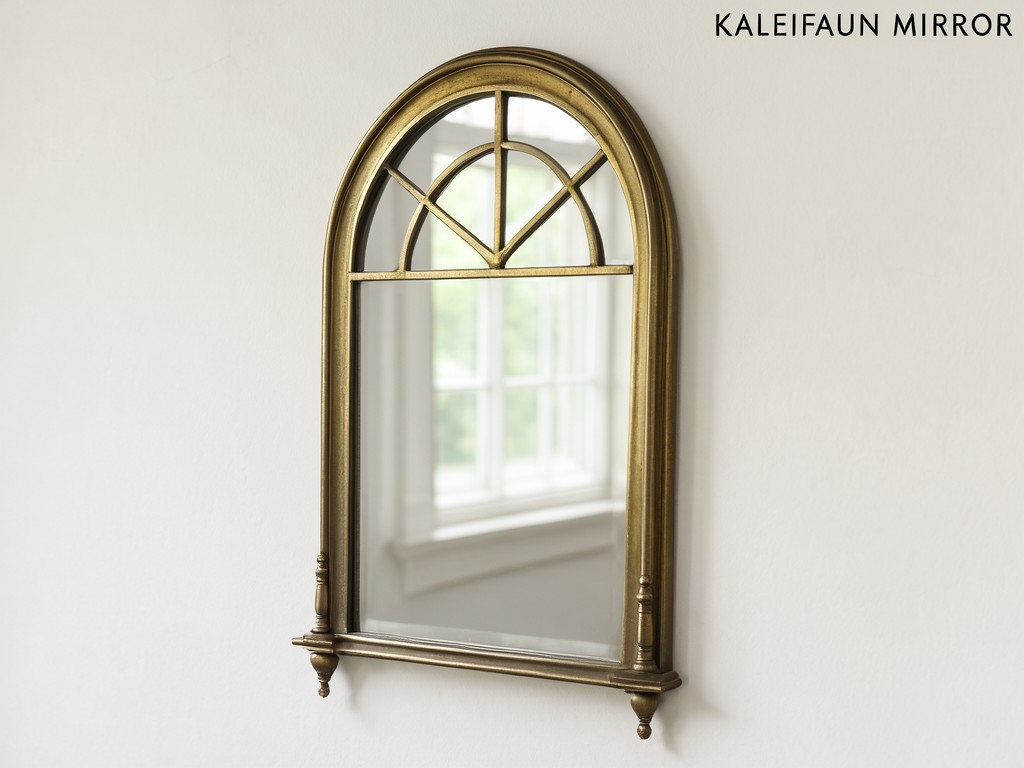
An arched wall mirror depends on the relationship between glass outline, frame return and mounting position. A small change to the arch radius alters the visible border near the crown; a deeper frame can cover uneven wall edges but projects farther into the room. Set the overall width and height, glass size, frame face and depth, and hanging hardware position on one controlled drawing.
Profile Control
Specify the arch radius or provide a dimensioned front-view drawing. Approve the frame outline against the glass edge, not from a product photograph alone.
Frame and Finish
Choose the metal and finish route together. The substrate, surface preparation and clear topcoat all affect the antique brass shade and its resistance to tarnish or coating wear.
Mounting and Glass
Confirm glass thickness, backing choice, hanger type and intended wall fixing. The mirror supplier can specify the hanger; wall anchors should suit the installation surface.
Approval rule: Treat the signed drawing and approved finish sample as the production reference. If a change to glass size, frame gauge or topcoat is needed, revise the approval record before the order is released.
How to Choose Before Requesting a Quote
A quote is comparable only when each supplier prices the same silhouette, glass specification, frame construction, finish and hanger arrangement. Send a reference sample or dimensioned artwork, then mark which dimensions are fixed and which may vary within an agreed tolerance. Ask suppliers to identify any process change that affects the visible brass tone or frame profile.
Formed Steel Frame
Steel suits a defined frame edge and a substantial appearance. It generally adds mass, so check hanger capacity and landed freight cost at the selected mirror size. The finish system needs sound pretreatment to limit corrosion at joints and exposed edges.
Formed Aluminium Frame
Aluminium can reduce overall weight and is less prone to red rust, but the profile and joining method may differ from a steel reference. Confirm the sample appearance and mounting arrangement before choosing it as a like-for-like substitute.
For a private-label repeat, request a pre-production sample made with the proposed frame material and finish route. A colour chip alone cannot show the way the finish reads across a curved arch, formed seams and frame corners.
Usage Scenarios and Buyer Segments
- Home-furnishing retailers choose arched mirrors for bedroom and entryway assortments, where finish consistency across multiple sizes affects how the range presents together.
- Interior design distributors specify them for residential projects with a fixed wall layout; hanger position, overall projection and the approved brass tone need to match the project schedule.
- Hospitality buyers may use them in guest rooms or sheltered interior corridors. Humid rooms call for a finish and backing review, while exposed outdoor placement is not appropriate unless the supplier has validated the complete construction for that exposure.
- Importers building a coordinated private-label range need repeatable dimensions, surface colour and visible frame details across reorder lots, not just a close match on the first sample.
Requirements by Buyer Segment
Wholesale buyers usually need a manageable set of sizes, stable finish colour and clear carton-level product identification. Confirm whether each size shares the same frame profile and finish process; mixed constructions within one range can create visible differences on a retail floor.
Importers should resolve the approved product drawing, glass and frame materials, tolerance points, inspection criteria and label artwork before confirming a production slot. A late change to the arch outline or mounting hardware can require new tooling or another sample cycle.
Procurement officers can compare suppliers on the same written specification, including finish system, backing, hanger configuration and acceptable variation. Ask how production lots are identified so a later claim or reorder can be traced to the relevant approved version.
OEM and ODM Programme Structure
OEM work is the direct route when your brand already owns the dimensions, artwork and finish target. ODM is more suitable when the supplier adapts an existing arch profile, frame construction or size set; approve each deviation before it becomes part of the quote.
- Send the reference product, dimensioned drawing or marked-up image, plus target order quantity and destination market.
- Review the supplier’s quotation against a written specification covering glass, frame, finish, hanger and branding.
- Approve a representative sample for outline, colour, surface appearance and hardware position. Record changes on the drawing and sample approval.
- Release production only after artwork, product identification and inspection checkpoints have final approval.
Private-label branding may include a product label, carton print or brand mark on an agreed component. Supply vector artwork with colour references and placement dimensions; confirm a physical proof where the print or label colour must match other range items.
Inspection Items and Test Methods
Inspection should compare production against the approved sample and controlled drawing. Check dimensions, arch symmetry, frame joints, glass edges, backing adhesion, hanger position and finish coverage. For humid-use programmes, agree the exposure method and acceptance criteria before the order; do not treat an indoor finish as an outdoor coating by default.
| Parameter | Typical Options or Range | Durability and Verification Note |
|---|---|---|
| Overall size | Common retail formats include approximately 400 × 600 mm, 600 × 900 mm and 750 × 1200 mm; confirm the exact drawing. | Measure width, height and arch profile against the approved drawing. Agree tolerances by size and construction. |
| Product weight | Often about 5–18 kg across common formats; actual weight depends on glass area, frame gauge and backing. | Weigh samples and confirm hanger capacity against the final construction. Set a tolerance from the approved reference. |
| Mirror glass | Typically 3–5 mm, subject to size and frame support; backing film is an optional specification. | Inspect for edge chips, surface marks and backing defects. Confirm the backing type and adhesion requirement in the order specification. |
| Frame construction | Formed steel or formed aluminium; section depth and gauge are drawing-specific. | Check joints, corner transitions, profile consistency and exposed edges for deformation or finish breaks. |
| Antique brass finish | May use a plated and antiqued surface with a clear coat, or a brass-tone coated finish; specify the approved process. | Compare samples under consistent lighting. Where humidity matters, agree a suitable coating exposure check and assess corrosion, colour change and coating adhesion. |
Use visual inspection for shade and surface defects, calipers or gauges for frame dimensions, and a scale for sample weight checks. A coating adhesion check or humidity exposure test should follow a written method with agreed pass criteria; the result depends on the complete substrate and finish system.
Volume Planning and Lead Time
Moving from sample orders to container loads changes the main control point from sample availability to repeatable production and component supply. A single approved finish across several sizes can simplify purchasing, while a different frame profile or glass size for each item may require separate setup and inspection checks.
Lead time depends on drawing approval, sample revisions, finish materials, glass sourcing and order quantity. Ask for a schedule that separates sample approval from production and identifies the latest dates for artwork and specification changes. Reserve capacity only after those inputs are complete; an unapproved finish or late silhouette change can move the planned ship date.
For reorders, retain the approved drawing, sample reference and finish description with the purchase record. Request confirmation of the same material and finish route before release, especially if the order spans multiple production lots.
Questions Buyers Ask Before Ordering
Can a supplier match a reference mirror without changing the design?
Usually, if you provide the sample or a dimensioned drawing and identify the fixed features. Confirm the arch outline, frame depth, finish process, glass and hanger positions; a photo by itself does not define those details.
What should be approved before mass production?
Approve a pre-production sample, controlled drawing, finish reference, branding artwork and inspection criteria. Record any accepted variation so the factory and buyer use the same release version.
Does an antique brass finish suit humid interiors?
That depends on the substrate, pretreatment and topcoat. Tell the supplier the intended room conditions and agree a relevant exposure check; do not assume an indoor decorative finish is suitable for wet areas or outdoor use.
What affects MOQ and sample-to-order timing?
MOQ can vary with frame setup, finish batch, glass size and branding requirements. Lead time starts from the agreed production inputs, so ask the supplier to show sample approval, material readiness and production dates as separate milestones.
Request a Specification-Matched Sample
Share your reference, target dimensions, finish expectation, quantity and branding files. A sample request can establish the drawing and approval points before you commit to a production order.
Request a sample and discuss your specification






