
Specifying Custom half circle wall mirror factory for Wholesale and OEM Orders
Before comparing quotations, set the acceptable limits for the mirror’s outside dimensions, curve symmetry, edge finish and backing protection. A low piece price can lose its advantage if shape drift creates mixed-looking displays or if transit damage drives replacements. For OEM and private-label orders, compare the expected cost per sellable unit, not just the factory price.
Design Constraints Behind the Specification
Unit price and service life diverge when the half-circle profile changes from batch to batch. The radius, straight bottom edge and overall height determine how the mirror sits against a wall and how consistently it aligns with adjacent pieces. A drawing with fixed datum points and agreed dimensional tolerances gives the factory a repeatable cutting target; a photo alone does not.
Glass thickness affects weight, handling and the mounting hardware required, while the chosen edge treatment changes both appearance and cost. Confirm the finished dimensions after edging, not only the cutting dimensions, and approve a physical sample before production. That decision limits size and silhouette drift across reorders.
Drawing rule: identify the straight-edge datum, overall width and height, curve radius or profile reference, glass thickness, edge finish and mounting points. If any item may vary, define the permitted variation in the approved drawing or sample record.
Materials and Construction Trade-offs
Frameless, Polished Edge
A clean perimeter keeps the profile visually light and avoids frame finish variation. It requires careful edge grinding and effective packaging protection, since exposed edges are more vulnerable to chips during handling.
Framed Perimeter
A metal or wood frame can shield the glass edge and provide a defined mounting structure. It adds material and assembly cost; specify the frame finish and corner joins so colour or fit differences do not appear between production lots.
Unit price settles the question only after the intended channel and expected return causes are clear. Silvered mirror glass is available in several thicknesses, commonly 3, 4 or 5 mm, subject to size and construction. A protective backing film can help retain fragments if the glass breaks, but it is not a substitute for a specifically required safety-glazing construction. Select the glass, backing and frame as one assembly rather than pricing each component in isolation.
How It Is Built and What That Changes
| Inspection point | Factory check | Acceptance basis |
|---|---|---|
| Overall size and profile | Measure width and height; compare the curve and straight edge with the production drawing or profile template. | Buyer-approved drawing and stated tolerances. |
| Reflective surface | Inspect under agreed lighting for visible spots, scratches, distortion and coating defects. | Approved reference sample and agreed visual criteria. |
| Edge and backing | Check for chips, unfinished areas, backing coverage and fit of any frame or hanging hardware. | Approved construction sample and hardware specification. |
| Packed unit | Verify protective separation, corner or edge protection, carton fit and retail identification. | Approved pack-out and destination shipping conditions. |
Production typically runs from glass-sheet selection through profile cutting, edge grinding or polishing, cleaning, backing protection and frame or hardware assembly. The exact sequence depends on the mirror sheet and finish. A controlled profile template and repeatable edge process reduce silhouette and fit differences; first-piece approval before a full run can catch setup drift before it becomes a carton-level problem.
Record inspection results by lot and retain the approved sample or drawing revision. This gives purchasing a reference during reorders and helps separate a production variation from damage that occurred in transit.
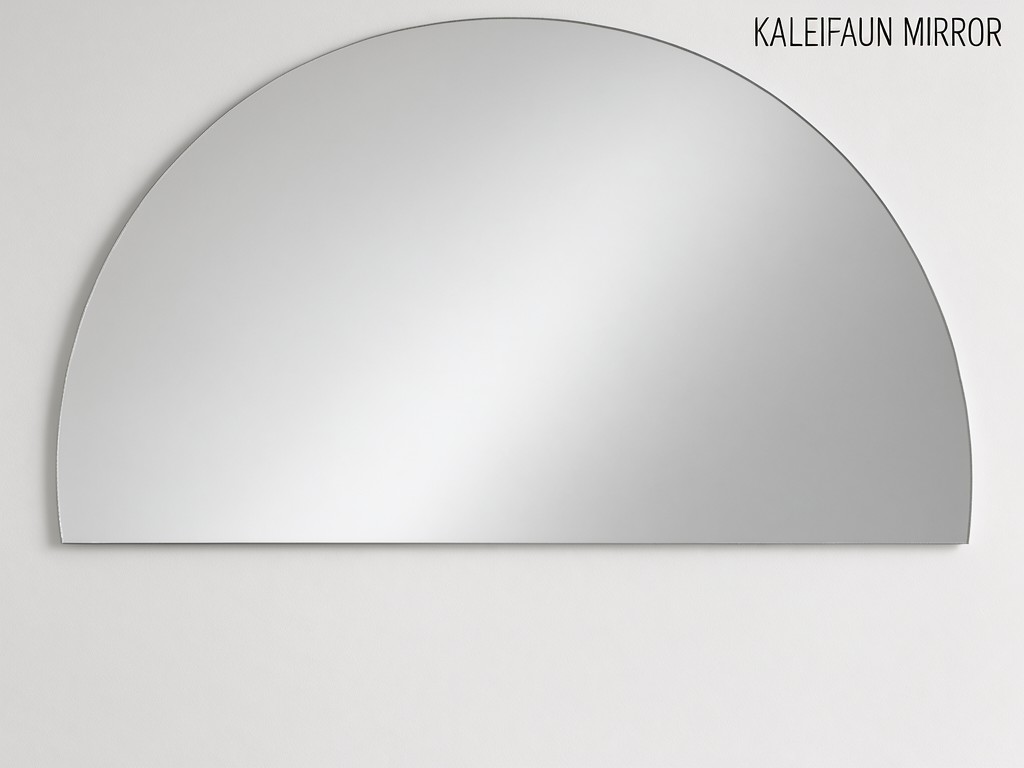
Comparing Two Standard Configurations
Configuration A: Frameless
Polished edges, backing film where specified, and separate wall hardware. This option usually limits frame-part and assembly costs, but it puts more weight on edge protection during packing and handling.
Best fit when the retail design calls for a minimal border and the buyer can support the added packaging protection required for exposed glass edges.
Configuration B: Framed
A perimeter frame adds component and assembly costs but can protect the glass edge and integrate the hanging method. Frame colour, profile and corner fit need lot-level checks to keep the retail appearance uniform.
Choose it when the frame is part of the required look or when the mounting design needs a more defined structure.
Compare both options using landed cost per sellable unit: factory price, protective packaging, likely breakage exposure, assembly requirements and the cost of replacements. The lower quote is not the lower-cost choice if edge damage or finish mismatch increases returns.
Requirements by Buyer Segment
OEM Buyer
Lock the drawing revision, glass thickness, edge treatment, mounting points and carton configuration before repeat orders. If multiple sizes share a design family, identify each size with its own controlled specification to prevent radius or hardware substitutions between lots.
Private-Label Buyer
Approve the mirror and branded pack as a matched sample. Confirm label placement, barcode data, care instructions and carton marks early, since late artwork changes can delay packing even after glass production is complete.
For both buyer groups, retain a signed sample or image record linked to the order specification. That reference makes it easier to resolve disputes over curve shape, frame tone or visible surface marks and helps preserve consistency on the next purchase order.
Care, Storage and Service Life
| Usage level | Likely service conditions | Specification and care focus |
|---|---|---|
| Home or occasional-use retail | Infrequent handling after installation, with routine household cleaning. | Specify a suitable hanging method; use a soft cloth and keep liquid away from exposed edges and the backing. |
| Frequent-use commercial interior | More frequent cleaning and a greater chance of contact during room or fixture maintenance. | Confirm frame, edge sealing and mounting suitability for the site; clean promptly and avoid prolonged moisture at the perimeter. |
Moisture that reaches the mirror edge can damage the reflective backing over time, especially where edge protection is incomplete. Store cartons upright where the packaging design calls for it, keep them dry, and prevent hard contact between glass faces. For cleaning, use a soft cloth and a cleaner suitable for mirrors; do not let liquid pool along the edge or frame joint.
Mounting conditions also affect service life: use hardware rated for the mirror’s finished weight and the wall substrate, and follow the approved installation method. Ask the factory to quote a configuration review against the drawing, sample and pack-out requirements before the order is released. Request a quotation review with the target size, quantity, finish, mounting details and destination market.







