
Specifying Custom Oval Vintage Wall Mirror Dropshipping for Wholesale and OEM Orders
Selection rule: frame material and glass thickness set much of the unit cost, packed weight and breakage exposure. Agree the oval dimensions, frame profile, mounting hardware and single-parcel packaging from an approved sample before comparing landed cost per sale.
What This Product Is and Where It Fits
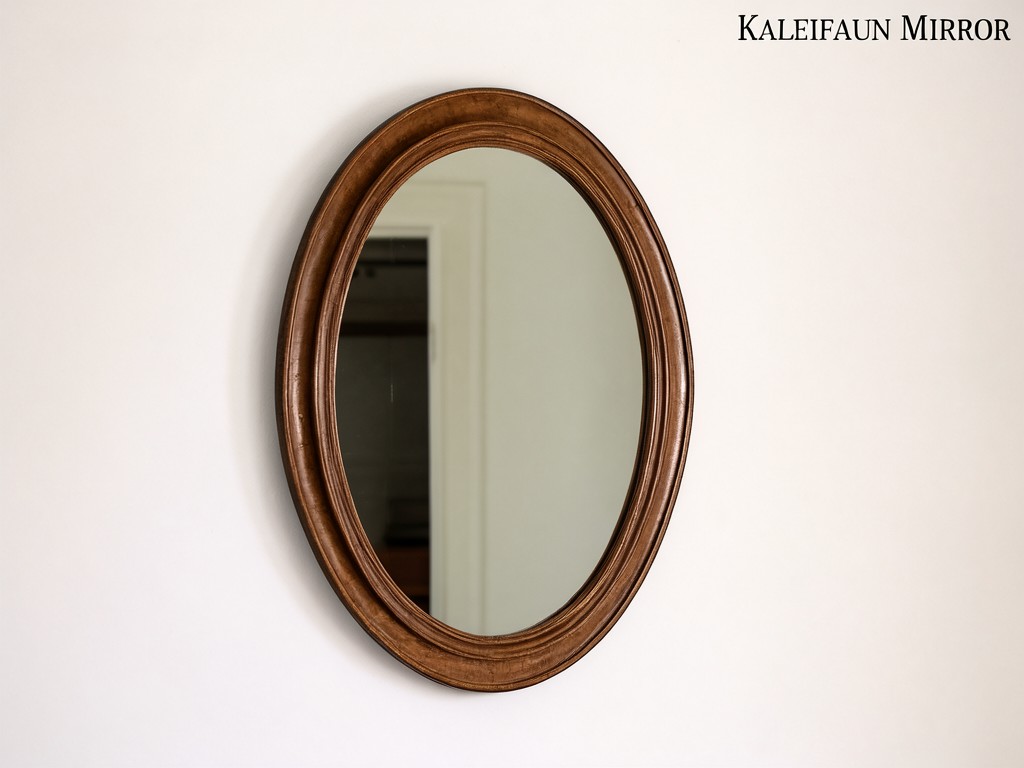
An oval vintage wall mirror combines a shaped mirror pane with a decorative frame, backing and wall attachment. Wholesale and OEM buyers typically specify the silhouette, frame finish and hanging orientation for home décor ranges, hospitality fit-outs or online single-unit sales.
For dropship orders, the cost calculation extends beyond the factory price. Parcel dimensions, protective packaging, carrier handling and the agreed process for transit damage all affect the cost per unit sold. A compact frame profile may reduce carton size, while ornate profiles can add both material and packing cost; confirm the packaged sample before setting the sales margin.
Choose the intended room conditions at specification stage. Standard mirror assemblies suit dry interior use; frequent water exposure can affect the reflective coating at exposed edges and may damage some frame finishes. For bathrooms or other humid rooms, state the exposure conditions and require sample review rather than assuming every vintage-style finish is suitable.
Construction Method and Its Effect on Consistency
Oval glass is cut to a controlled template, its edge is finished, and the reflective coating and protective backing are applied before the pane is fitted to the frame. The frame may use shaped engineered wood with a painted or foil finish, solid wood with a stain or paint, or formed metal with a plated or coated surface. Each route gives a different profile, weight and finish character, so the approved reference sample must identify the actual construction rather than only the appearance.
Oval symmetry depends on the cutting template and repeatable positioning during frame assembly. A shifted pane can leave an uneven reveal; inconsistent frame joints or finish build can make nominally identical pieces look different at retail. Production checks should compare the finished outline, glass-to-frame alignment, surface appearance and hanger position against the signed drawing and sample.
Before production, approve a drawing that states overall height and width, frame depth, glass dimensions, hanging orientation and hardware location. Record finish references, logo or label artwork, carton marks and acceptable visual variation in the same approval set. A physical sample resolves details that a drawing cannot, particularly the perceived frame colour and the mirror’s reflection near the curved edge.
Approval checkpoint: retain the signed dimension drawing and one approved finish sample as the production references. If the frame material, coating, glass thickness or backing changes, reassess packed weight and transit protection before authorising the revision.
Measured Performance in Real Use
Reflection quality is judged across the usable face, not just at the centre. Curved-edge distortion, visible coating marks, dust trapped behind the pane and frame gaps can trigger returns even when the mirror remains intact. Set inspection conditions and viewing distance with the supplier, then apply the same visual criteria to the approved sample and production checks.
| Construction comparison | What changes in use and fulfilment | What to verify before approval |
|---|---|---|
| Engineered-wood frame with painted or wrapped finish | Can support repeatable shaped profiles and controlled finish colours. Frame edges and corners need protection from knocks and moisture. | Profile consistency, finish coverage at edges, corner joints and carton protection. |
| Solid-wood frame with stain or paint | Shows natural grain variation and may add weight or cost. The sample should set the acceptable range of colour and grain appearance. | Sample-matched colour, surface finish, frame joints and packed parcel weight. |
| Formed metal frame with plated or coated finish | Allows a slimmer profile, with final weight dependent on section and metal choice. The surface can show scratches or finish variation if handling protection is inadequate. | Finish coverage, visible marks, frame rigidity and protective separation inside the carton. |
Wall security depends on the combined mirror weight, hanger type and wall fixing selected by the end user. Specify the mirror-side hardware and its position; do not represent an included screw or wall plug as suitable for every wall substrate. For parcel orders, drop or handling checks should use the final retail carton and a documented inspection plan agreed before the first production run.
Specification Range and Customisation Limits
The dimensions below are common starting points, not fixed tooling limits. Final availability depends on the frame profile, glass yield, selected thickness and protective carton design. Put target dimensions and tolerances on the drawing; agree the measurement method and permitted variation with the factory before sample approval.
| Parameter | Indicative specification | Agreement point |
|---|---|---|
| Overall oval size | Common examples include 300 × 400 mm, 400 × 600 mm and 500 × 700 mm. | State height × width, frame inclusion and dimensional tolerance on the approved drawing. |
| Mirror glass | Typically 3–5 mm, subject to size, frame support and target packed weight. | Confirm thickness, edge finish, backing and acceptable reflection appearance on the sample. |
| Frame and finish | Engineered wood, solid wood or formed metal; painted, wrapped, stained, plated or coated finish as applicable. | Approve profile, finish reference, colour variation and logo or label artwork. |
| Mounting and fulfilment | Orientation-specific hanger, individual protective carton and optional retail or shipper markings. | Confirm hanger position, parcel dimensions, dispatch details, labels and damage-claim workflow. |
A bespoke silhouette or deep frame can require a new cutting template, frame tooling or carton layout; these changes affect sampling time and setup cost. Artwork changes after sample sign-off can also reset approval. To control reorder variation, keep the approved drawing, sample reference, finish codes and packaging specification together under the same product revision.
Questions Buyers Ask Before Ordering
Can the oval dimensions or frame profile be changed?
Usually, subject to glass-cutting capability, frame construction and carton fit. Send a dimensioned drawing or marked-up reference image first; the factory can confirm feasibility and any template or tooling cost before making a sample.
How should finish and reflection be approved?
Approve a physical sample under agreed viewing conditions. Record frame colour and texture, edge appearance, pane alignment and any acceptable variation. A digital image can guide colour selection, but it cannot replace a sample for judging finish sheen or reflection near the curved edge.
What changes the dropship unit economics most?
Packed parcel size and weight, frame specification, protective inserts and carrier service are major cost inputs. Compare landed cost using the final packed sample and expected order profile, not the unboxed mirror price alone. Set dispatch origin, neutral or branded paperwork, parcel labels and the transit-damage process before listing the item.
What should be fixed before a production order?
Confirm the signed drawing, approved sample, glass and frame construction, finish reference, tolerances, artwork, packaging and inspection points. MOQ and lead time depend on the chosen materials, any new tooling, sample revisions and order quantity; request written confirmation against the final specification.
Request a Specification Review
Send the target oval dimensions, frame reference, intended selling market and dropship packaging requirements for a pre-production review. Contact us to review the specification before sample approval and quotation.







