
discount round decorative mirror suppliers: What Buyers Should Check Before Ordering
Material choice starts with the conditions the product will meet. For a cost-conscious round decorative mirror, the glass, reflective layer, protective backing and frame all affect landed cost, breakage risk and how the mirror holds up to cleaning and humidity.
When qualifying a second source, compare the construction and inspection basis—not just the diameter and quoted unit price. A written specification makes samples, production orders and later reorders easier to compare.
Scope of Supply and Physical Form
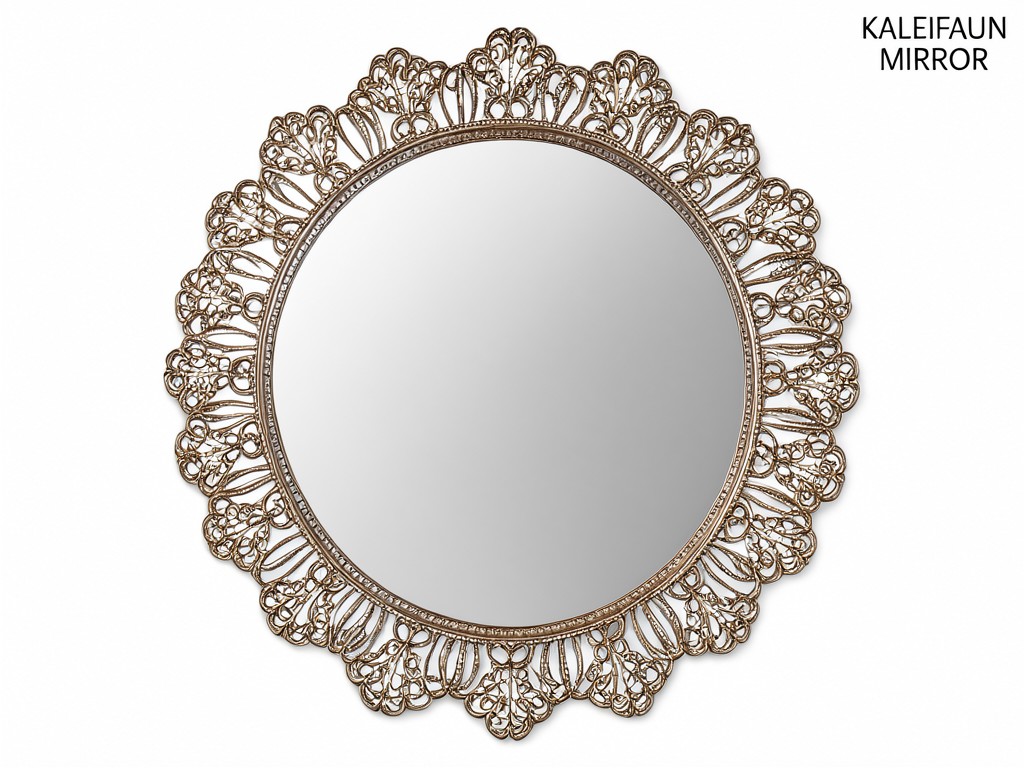
The core item is a circular glass mirror with a reflective coating and protective backing. Supply may also include an edge finish, frame, hanging hardware and retail packaging; confirm which parts are included in the quoted price.
Diameter, overall depth, glass thickness, frame profile and mounting method define the physical specification. A framed mirror’s outside diameter is not the same as its visible mirror diameter, so list both on the purchase specification and approved drawing.
How It Is Built and What That Changes
For a conventional silvered-glass mirror, the glass is cut to a circular blank, its edge is finished, and the surface is cleaned before the reflective layer is applied. Protective backing coats then cover the rear surface. Frame assembly and hardware installation follow, with the selected edge treatment affecting both appearance and handling cost.
Cost trade-off: A simple, well-finished edge and a basic frame can keep the unit price down. Bevelled edges, heavier frames or more involved rear protection add processing or material cost; specify them where the display conditions justify the extra spend.
The reflective coating and its backing are vulnerable at exposed edges and damaged areas. If moisture reaches the rear coating, dark spots or edge deterioration can develop. Frame design, edge coverage and careful packing reduce risk, but ordinary decorative mirrors should not be treated as outdoor products without a separately defined weather-exposure requirement.
Where This Product Beats Standard Alternatives
A round decorative format gives buyers a distinct shape without requiring a custom reflective material. Compared with a plain frameless mirror, a framed version can conceal the edge and provide a defined mounting style; compared with a heavier, more elaborate design, a simple frame can reduce material use and freight weight.
The advantage depends on the room and care routine. Regular wiping with a soft cloth is different from repeated contact with abrasive pads or harsh cleaners. Sunlight can also affect some frame finishes over time. Chlorine and sweat are not normal operating exposures for a decorative mirror, and their presence should not be used to imply suitability for poolside or sports-changing-room conditions.
What Can Be Customised and What Cannot
Buyers can commonly specify diameter, visible mirror area, frame material and finish, edge treatment, hanging hardware, backing details, carton protection and retail labelling. Custom dimensions or profiles may require new cutting or frame tooling, so confirm setup charges and minimum order quantities before approving the design.
A drawing can set measurable dimensions, but it cannot make a standard mirror suitable for persistent moisture or exterior exposure. If weather resistance is a requirement, define the exposure, frame material, rear protection and maintenance conditions first, then qualify a sample against those conditions.
Working as a Production Partner, Not a Catalogue Supplier
A second source should be able to work from the same approved specification as the incumbent supplier. Align on the glass dimensions, edge finish, coating and backing description, frame details, hardware position, packaging method and acceptance criteria before comparing quotations.
- Use a signed sample or drawing as the reference for appearance and dimensions.
- Record approved changes to frame finish, hardware or packaging so a reorder does not rely on verbal instructions.
- Agree on carton identification and batch references for receiving checks and complaint follow-up.
For private-label orders, provide final artwork, label placement and language requirements before packaging approval. A supplier can reproduce an approved specification; it cannot resolve differences between two suppliers if the reference sample or acceptance limits are unclear.
Inspection Items and Test Methods
Inspection should reflect the product’s likely failure points: out-of-round cuts, edge chips, coating blemishes, loose hardware, finish variation and transit damage. Set visual limits and measurement points in advance; vague approval language makes supplier comparisons difficult.
| Use or Care Condition | Complaint to Watch For | Specification or Check to Reduce Risk |
|---|---|---|
| Routine indoor wiping | Scratches or dull patches after cleaning | State compatible cleaning guidance; inspect the reflective face and frame finish for visible marks against the approved sample. |
| Humid rooms or occasional splash exposure | Dark edge spots, backing damage or frame corrosion | Define rear protection, edge coverage and frame material; verify coating coverage and inspect edges before packing. |
| Bright window exposure | Frame colour shift or finish wear | Specify the frame finish and any light-exposure expectation; compare finished samples after an agreed exposure review. |
| Export handling and stacked cartons | Glass breakage, chipped edges or frame distortion | Check separators, corner protection and carton fit; conduct a packed-sample handling review before approving the packing method. |
Typical checks include diameter and roundness measurements, visual review under consistent lighting, frame and hardware fit checks, and inspection of the rear coating and edges. A packed sample review helps identify whether separators and carton restraint protect the mirror during normal handling; it does not replace agreed transit requirements.
Stock Availability and Reorder Planning
Availability can vary by diameter, frame finish, hardware and packaging configuration. Ask suppliers to identify which components are standard stock and which are made to order; a stocked mirror size may still require a separate production run for a particular finish or private-label carton.
For repeat orders, retain the approved drawing, sample reference, artwork and carton specification. Confirm current stock status for the exact SKU before placing a replenishment order, especially when the mirror and frame are sourced or finished as separate components.
Questions Buyers Ask Before Ordering
Can a standard decorative mirror be used in a bathroom?
Suitability depends on humidity, splash exposure, edge coverage, backing protection and frame material. Specify the intended conditions and obtain written confirmation; do not assume a standard indoor mirror is suitable for persistent moisture or direct water exposure.
What should we provide to compare a second supplier’s sample?
Share the drawing, target diameter and visible mirror area, edge and frame details, hardware position, packaging specification and acceptance criteria. Include an approved reference sample where appearance or finish cannot be described precisely in a drawing.
Can the supplier change the frame finish without changing the mirror specification?
Often, but the finish change may affect appearance, cleaning compatibility, cost and availability. Approve a finished sample and record the exact frame material and finish description before releasing a reorder.
Qualifying a second source? Send the current drawing, reference sample details and target use conditions for a specification review. Request a specification review before sample approval so construction, inspection and packaging are compared on the same basis.







