
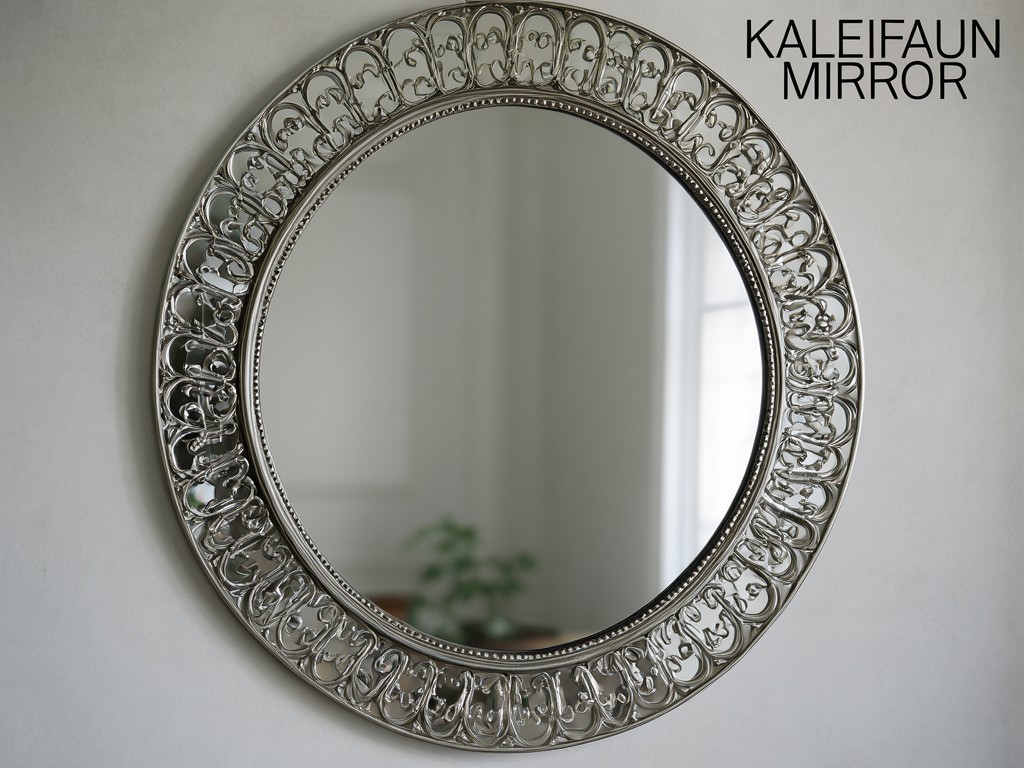
Large round decorative wall mirror factory: Specification, Ordering and Quality Notes
What Actually Determines Performance
Tooling amortisation decides whether a custom frame profile makes sense at your order volume; the circular glass itself is generally cut to size rather than made with a dedicated mould. A typical factory route cuts float glass to a round blank, grinds and polishes the edge, applies the reflective coating and protective backing, then fits the frame and hanging hardware. Reusing an existing frame profile can lower setup cost, while a bespoke profile may require an extrusion die or dedicated assembly fixtures.
For a club or academy, wall flatness, mirror diameter, glass thickness, edge finish and hanger placement all affect the finished installation. A mirror that arrives intact can still become a return if the hanging point is off-centre or the frame distorts the circle. Confirm the installed orientation and wall construction before approving the sample.
Installation note: Specify the mirror’s finished mass and hanger arrangement together. Wall anchors must suit the actual substrate; a factory-supplied fixing set cannot compensate for an unsuitable wall or incorrect installation.
| Room Condition | Likely Return Complaint | Specification or Process Control |
|---|---|---|
| Frequent wipe-downs in a fitness or dance studio | Backing or edge deterioration after cleaner reaches the mirror edge | Protected backing, clean edge finishing and care instructions that prohibit liquid pooling at the perimeter |
| Poolside humidity or chlorine-containing air | Corrosion or finish change at exposed frame joints and hardware | Choose corrosion-resistant exposed hardware and a frame finish suited to the room; protect cut edges from standing moisture |
| Sweat residue and repeated surface cleaning | Fine scratches, haze or visible wipe marks | Smooth polished glass face with a care routine based on a soft cloth and a non-abrasive cleaner |
| Direct sunlight or bright windows near the installation | Frame colour change or backing wear over time | Confirm UV suitability for the selected frame finish and avoid prolonged moisture exposure at the rear coating |
Material Options and Their Trade-offs
Total cost of ownership shifts once returns are counted. Reflective coating, backing protection, frame material and packing all affect the landed cost, but each addresses a different failure point. Ask the factory to identify the coating and backing system in the approved sample rather than comparing quotations by the word “mirror” alone.
| Construction Choice | Cost and Use Trade-off | Buyer Check |
|---|---|---|
| Silvered mirror glass | Often priced above basic alternatives; suitable where reflection appearance and consistent presentation matter across a room set. | Approve colour tone, reflected image and edge appearance from a production-representative sample. |
| Aluminium-coated mirror glass | Can suit price-led programmes; the coating and backing specification should match the required appearance and room conditions. | Compare the actual sample beside the intended lighting, not only against a catalogue image. |
| Metal frame | Adds a defined edge and can simplify repeatable hanger assembly; custom profiles may add setup cost. | Check corner or joint finish, coating coverage and hanger alignment on the sample. |
| Wood-based frame | Offers a different decorative profile; moisture exposure and finish consistency need attention in changing room conditions. | Review finish samples and confirm that the frame construction suits the expected humidity and cleaning routine. |
A safety backing film can help retain glass fragments if breakage occurs, but it does not make the mirror unbreakable or replace suitable mounting. Confirm the film coverage and its compatibility with the chosen mirror construction in the sample approval record.
Where This Product Beats Standard Alternatives
Cheaper stock options fail at the worst point in the season when a facility needs matching replacements and the original size, frame finish or hanger position is no longer available. A planned round format gives a club or academy a consistent decorative focal point in reception areas, studio lounges and member spaces, while an OEM buyer can hold the approved dimensions and finishes for repeat orders.
Compared with a standard rectangular wall mirror, the circular outline can suit a feature-wall layout where the frame is part of the interior scheme. It is not the economical choice for a long, uninterrupted practice wall that needs broad reflective coverage; for that use, standard mirror panels are usually easier to arrange and replace. For a decorative installation, the value comes from controlled diameter, repeatable frame appearance and packaging that protects the perimeter in transit.
For second-source qualification, compare the factory’s approved sample, edge finish, hanger location and export pack against the incumbent item. Keep the check tied to measurable points such as diameter, finished mass, frame depth and carton condition, then retain the accepted sample for reorder comparison.
Matching the Product to the Buyer's Need
Start with the wall and the cleaning schedule, then select the mirror build. A sheltered reception wall can prioritise frame appearance and landed cost. A humid changing area or poolside location calls for more scrutiny of exposed metal, backing protection and moisture control at the edges.
- For a multi-room fit-out, lock the diameter, frame finish and hanger position across the order so installers do not need separate layouts for each room.
- For a price-led replacement programme, use an existing frame profile where it matches the design; a new profile can add tooling cost and extend sample approval.
- For frequent facility cleaning, request written care guidance for the mirror face, frame and edges. Cleaner that seeps behind the mirror can damage the backing even when the front surface appears intact.
- For export orders, agree carton or crate construction against mirror diameter and shipment route. Ask for clear product identification and batch traceability on the packing list or carton label.
- For a second-source trial, approve a production-representative sample before bulk release and record permitted dimensional and finish variation in the purchase specification.
What Can Be Customised and What Cannot
Buyers can usually specify diameter, glass thickness, frame material and finish, backing film, hanger arrangement, brand label and export packaging. Availability depends on the factory’s glass supply, frame process and order quantity. A non-standard diameter may be straightforward to cut, but a new frame profile or finish can add setup, sampling and approval time.
Glass remains breakable, and no frame option removes the need for correct wall support and careful handling. Colour matching also has limits across different frame materials and production batches; approve a physical finish sample under representative lighting before placing a repeat order. Artwork for labels should be supplied as production-ready files with the required size, colour reference and placement.
For a new frame profile, ask the factory to separate one-time tooling or fixture charges from the per-unit quotation. That makes the volume break-even visible and lets procurement compare a custom look with an existing profile on the same freight and packaging basis.
Setup, Use and Replacement Parts
Before installation, inspect the carton for impact damage and check the mirror face, perimeter, frame joints and hanger points. Use a soft, clean cloth for routine wiping and a non-abrasive cleaner on the glass. Keep liquid away from the edge and rear coating; abrasive pads, aggressive chemicals and trapped moisture can mark the surface or compromise the backing.
Store uninstalled mirrors upright in their protective packaging, with the carton secured against tipping and dry conditions maintained. Do not place heavy cartons against the glass face. For replacement planning, confirm whether the factory can supply a matching hanger, mounting plate or frame component, and retain the original order specification so a replacement mirror matches the installed diameter and finish.
A second source is easiest to qualify when the buyer shares the incumbent dimensions, installation details, target finish and pack requirements before sampling. Use the sample and tooling review to identify where an existing frame profile meets the brief and where custom work changes unit cost or lead time.
Request a tooling review: Share your target diameter, frame concept, order volume and shipping destination for a review of profile reuse, sample requirements and protective packaging. Contact the factory to discuss your second-source project.







