
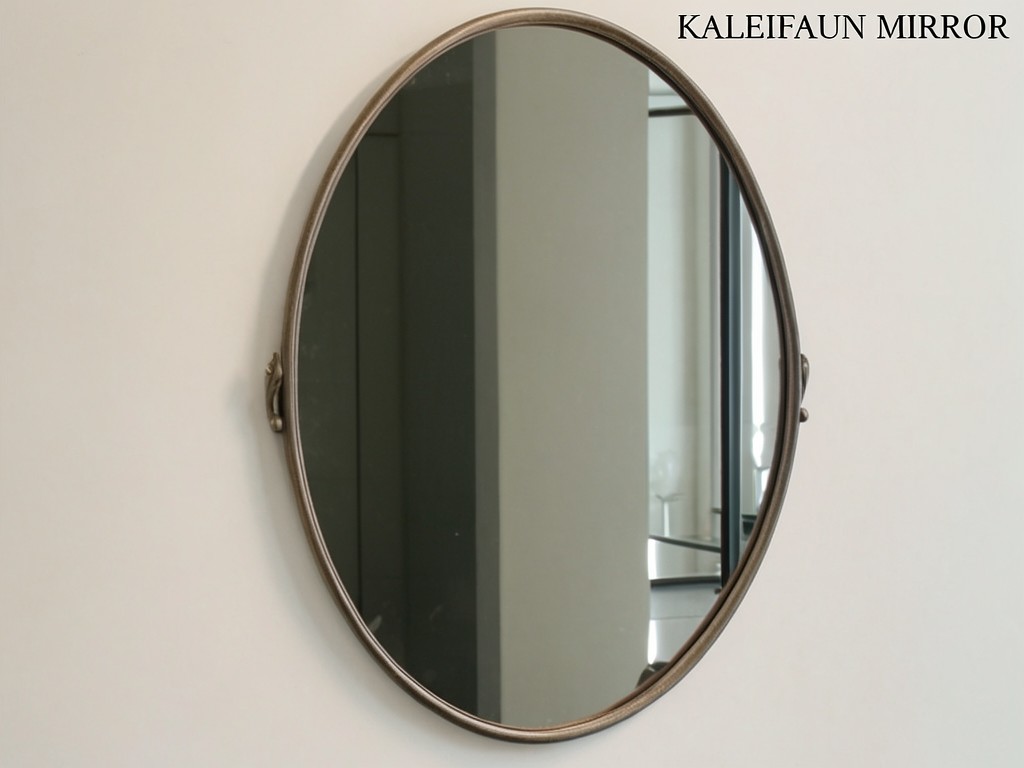
Specifying OEM Oval Metal Wall Mirror Low MOQ for Wholesale and OEM Orders
The interface between parts determines whether an oval mirror remains serviceable after installation: glass edge, frame lip, backing and hanger must align without pinching the glass or leaving movement at the fixing points. For a procurement team qualifying a second source, the useful comparison is not just silhouette and quoted price. It is whether the supplier can repeat the agreed dimensions, joint details and finish at the order volume you can commit.
Low-MOQ production is most practical when the order uses an existing frame profile, standard mirror glass and a finish already available in the supplier’s process. New bending fixtures, welding jigs or a special colour can add setup cost and approval time; the effect depends on how those costs are spread across the first and repeat orders.
Measured Performance in Real Use
Deflection under load governs the feel of the wall-mounted assembly. A thin frame section may suit a compact mirror, while a wider span or heavier glass calls for a hanger and frame profile with suitable stiffness. Confirm the installed orientation, mounting method and substrate before approving a load assumption.
Overall Size
Set width and height from the approved drawing. Standard oval proportions reduce first-run setup changes.
Glass Fit
Glass thickness and edge clearance must match the frame channel; an overly tight fit raises edge-damage risk.
Wall Interface
Hanger position and fixing style affect stability. Specify the intended wall type and installation direction.
Fit rule: approve the frame section, glass thickness and hanger as one assembly. Changing any one after sample approval can affect edge clearance, finished weight and wall stand-off.
| Area to review | What can fail in use | Specification or check |
|---|---|---|
| Frame joints and oval profile | Visible mismatch, uneven gap or local frame distortion | Check the profile against the approved sample and drawing; inspect joint finish and symmetry. |
| Glass edge and frame channel | Edge chips, glass movement or pressure marks | Confirm edge finishing, clearance and retention method on the production sample. |
| Coating and exposed metal | Scratches, coating wear or corrosion in persistently humid rooms | Choose the metal and finish for the installation environment; agree any corrosion exposure test before production. |
| Hanger and backing | Loosened fixing, backing separation or mirror tilt | Inspect attachment points and confirm the mounting arrangement against the intended wall installation. |
How to Choose Before Requesting a Quote
Balance and load analysis shows why the mirror’s outer dimensions alone do not define the cost. Glass area, frame material, profile depth, joint method and hanger design all change material use and assembly time. A buyer can usually hold the first order closer to a low MOQ by selecting a supplier’s existing profile and colour, then review dedicated tooling after demand is established.
Treat the ranges below as quote-planning references, not a fixed catalogue specification. Final dimensions, net weight and material gauge depend on the approved drawing and sample.
| Parameter | Quote-stage selection | Cost or service effect |
|---|---|---|
| Nominal size | Common proposal sizes include approximately 300 × 500 mm, 400 × 600 mm or 500 × 800 mm; confirm available profile and glass yield. | A size that fits existing cutting and forming capacity can reduce setup changes and shorten sample approval. |
| Mirror glass | Glass thickness is commonly selected within about 3–5 mm, subject to mirror size, retention and frame design. | Thicker glass adds mass and material cost; frame and hanger capacity must suit the selected build. |
| Frame material | Steel or aluminum, with profile and gauge set against the required stiffness, appearance and room conditions. | Material choice affects forming, joining, surface preparation, finished weight and unit price. |
| Finish and colour | Powder-coated finishes in a supplier’s existing colour range, or a custom colour subject to sample approval. | Existing colours generally avoid a separate colour setup; a custom finish can add minimum batch and lead-time requirements. |
| Finished weight | Confirm by approved sample; weight depends on glass area, thickness, frame section and backing. | Set a target or tolerance only after the material stack is fixed, so incoming checks compare like with like. |
Existing Profile and Finish
Best fit for a qualification order or smaller replenishment. The supplier can use current forming and finishing setups, so the price is less exposed to new tooling amortisation.
Dedicated Profile or Colour
A closer match to brand specifications can justify dedicated tooling or a separate colour run. Higher committed volume spreads those setup costs across more pieces; lower volume raises unit cost and may extend the production window.
- Send a dimensioned drawing or a physical reference, plus the required finish, quantity by size and intended mounting method.
- Ask the supplier to separate sample, tooling and production charges so the cost effect of a second-source order is visible.
- Compare the quoted lead time against the actual approval path: frame sample, mirror fit check, finish approval and production release.
Assumptions Buyers Should Stop Making
A low MOQ does not mean every size, metal and colour can be combined without a setup charge. The production line still has to form the oval profile, join the frame, prepare the surface and fit the mirror. A new profile or non-stock colour adds work before the order reaches the assembly stage.
Nor does a visually similar sample establish repeatability by itself. Frame symmetry, hanger position, glass clearance and coating appearance need agreed reference points. If the buyer changes the drawing after the sample is approved, the supplier may need to rework tooling or repeat part of the approval process.
Separate the quotation into repeatable production cost and first-order setup cost. That makes a second-source comparison more useful than a single unit-price figure, especially when the initial volume is small.
Segment-Specific Requirements
Hospitality bathroom buyers should specify the expected humidity and cleaning routine. A powder-coated metal frame may suit a ventilated washroom, but persistent moisture at joints or behind the mirror can expose weak surface preparation and backing choices. Request finish samples and define any exposure checks against the installation conditions.
Salons and dressing-room retailers often need a consistent reflection area across several sizes, plus a hanger position that suits repeated wall installation. For residential furniture and home décor assortments, buyers may place more weight on the frame profile, colour match and visible joint quality. In both cases, confirm the mounting hardware and wall interface instead of assuming a hanger suits every substrate.
Where the product is intended for a persistently wet area, do not treat a decorative finish as evidence of suitability. Specify the metal, surface system and required corrosion evaluation before quoting.
Working as a Production Partner, Not a Catalogue Supplier
A second source is useful only if its process can hold the details that matter to your product. For an oval metal mirror, that means confirming how the frame is formed, where joints sit, how the glass is retained and which checks define an acceptable finished unit. A supplier should be able to identify what can run on existing tooling and what requires dedicated setup.
OEM production can follow a buyer’s drawing, finish reference and brand requirements. ODM support can start from an existing frame and mirror construction, then adapt dimensions or finishing within the supplier’s process capability. Low-MOQ terms depend on that distinction: an established configuration limits setup exposure, while a custom frame or colour may need a larger first commitment to absorb tooling and batch preparation.
Before release, agree ownership and storage of any dedicated forming fixture, the sample used as the finish reference, and the revision level of the drawing. Those points reduce disagreement when a repeat order arrives after a gap in production.
What Gets Checked Before Shipment
Inspection should follow the approved sample and drawing, not a generic visual pass. A practical factory check covers dimensions, frame symmetry, mirror condition, retention, hanger attachment and finish appearance.
- Measure overall height and width, then compare the oval profile and hanger location with the agreed reference.
- Inspect the reflective surface for visible defects and check the glass edge for chips or damage before assembly approval.
- Check frame joints, coating coverage and colour against the signed sample under consistent viewing conditions.
- Confirm glass retention and hanger attachment on the completed assembly. Agree any load or corrosion test method and acceptance criteria before production rather than after a dispute.
For a new source, request a pre-production sample and a written inspection record for the first order. Later lots can use the same measurement points and visual reference, with any sampling frequency agreed in the purchase specification.
Keeping Repeat Orders Supplied
Repeat availability depends on the production configuration, not just the product name. Record the frame drawing revision, glass thickness, finish reference, hanger detail and approved sample identifier with the purchase specification. A supplier can then distinguish a true repeat from a revised build before setting the schedule.
Stock availability is most plausible for standard glass sizes, common frame profiles and existing finishes; confirm actual stock at order placement. Dedicated colours and new tooling usually require production planning, while a larger confirmed volume can improve the unit-cost allocation and make the run easier to schedule. Agree forecast windows and reorder triggers with the supplier if continuity is part of the second-source qualification.
For a specification review, share the drawing, target order quantity, finish reference and installation environment. Discuss your oval mirror specification to confirm the sample route, tooling exposure and repeat-order basis before requesting a production quote.







