
wholesale gold metal multi layered circle wall accent mirror suppliers: Specification, Ordering and Quality Notes
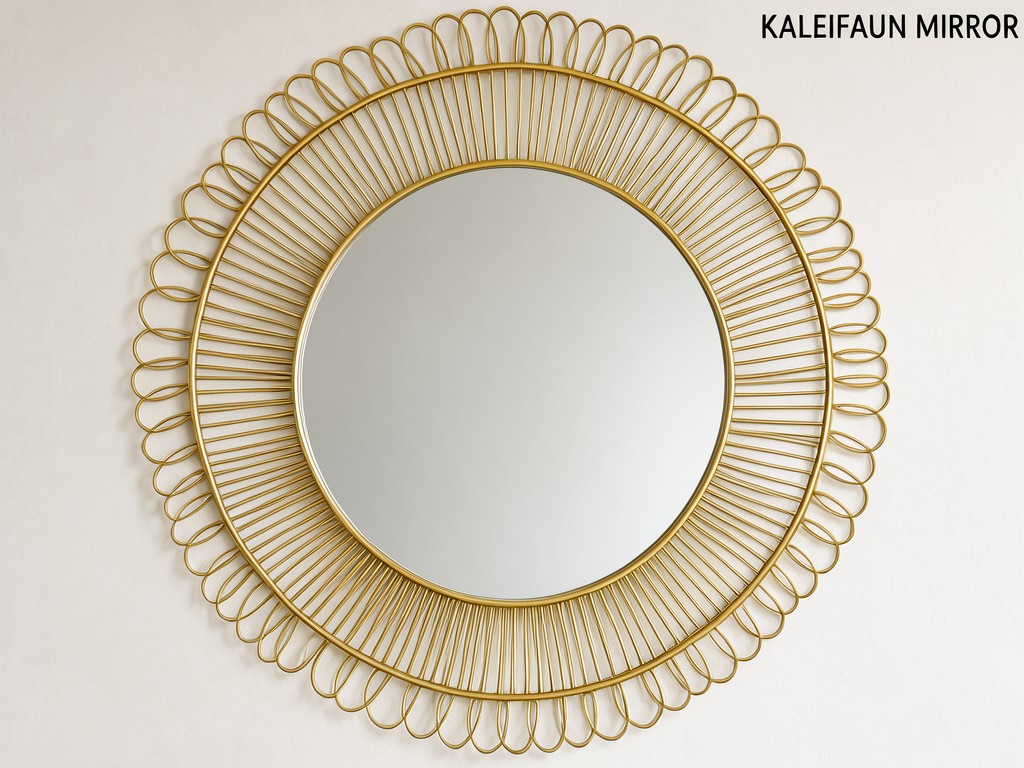
When a brand extends an existing range, a layered circle mirror can fill a wall-display gap without requiring a new product family. The commercial risk is less obvious than the purchase price: a frame that sits unevenly around the glass, a finish that shifts between batches, or a weak carton can turn a low-cost unit into a return, a replacement shipment, and lost shelf space.
For importers, the useful comparison is cost per saleable unit. Ring diameter, layer count, frame depth, glass specification, and packing method all affect that figure. Stable jigs and repeatable finishing reduce variation across a run; a more elaborate frame or protective pack adds cost, but may make sense where transit damage or uneven presentation would otherwise drive claims.
The Problem Buyers Keep Paying For
Returns often trace back to small production differences rather than a dramatic defect. One frame may have a wider gap between the metal layers; another may show a visible weld mark or a warmer gold tone. If the mirror shifts in transit or the hanger pulls away from its backing, the buyer absorbs both the replacement cost and the retail service time.
A sample approval should therefore set a physical reference for overall diameter, layer spacing, finish appearance, mirror reflection, and hanger position. Those checks make batch inspection more useful than a visual pass that only confirms the item is gold and circular.
What the Design Has to Balance
More metal layers add depth and shadow, but also add frame weight, weld points, and packing volume. Larger diameters need a frame and hanger suited to the mirror’s mass; a slim decorative profile may reduce material use, but it can flex if the ring section or attachment points are undersized. Confirm the wall projection and hanging method alongside the front view, not after the sample is complete.
| Customization point | Available direction | Cost or inspection effect |
|---|---|---|
| Overall size and profile | Buyer drawing or approved reference sample; confirm outside diameter, depth, and ring spacing. | Larger profiles use more frame material and carton space. Defined dimensions help control fit across a range. |
| Frame and layer count | Fabricated steel or iron rings, with layer spacing set by the approved design. | Additional rings increase cutting, forming, alignment, and joining steps. |
| Gold finish | Finish selected from supplier samples, with gloss and tone confirmed against the range. | Finish route affects unit price, surface appearance, and how well the metal hides handling marks. |
| Mirror and mounting | Glass thickness, backing arrangement, and hanger position confirmed for the finished size. | Glass and attachment choices affect weight, reflection checks, and the wall hardware guidance supplied with the item. |
| Retail and export packing | Protective inserts, carton configuration, barcode, and private-label artwork as required. | More protection adds packing material and volume; it can reduce breakage and the cost of replacement units. |
Materials and Construction Trade-offs
A common production route uses cut and formed metal rings, a positioning jig, welded or mechanically joined frame sections, surface preparation, and a gold-tone finish. The mirror is then fitted to the frame and secured with the specified backing and hanger. Jig work takes setup time, but it controls concentricity and layer spacing across repeat orders. A simpler frame can lower the initial price; it is only a saving if the finished piece still sits square and presents cleanly on the wall.
Powder-Coated Gold Tone
A practical option for a consistent opaque colour across formed metal. Coverage at corners, welds, and narrow inner edges needs review on the approved sample; those areas can show uneven film if surface preparation or application varies.
Metallic or Plated Gold Finish
A metallic surface can give the frame a different sheen and touch from a painted finish. It may carry a higher processing cost, and tone matching between production lots requires an agreed sample and controlled finishing conditions.
For either route, inspect the frame for sharp edges, visible joining marks, finish gaps, and movement at the mirror attachment. Check the glass for visible distortion under a consistent viewing setup, then inspect the assembled item for diameter, depth, hanger location, and overall alignment. Packaging checks should include a transit-representative handling assessment, since a sound frame does not prevent a cracked mirror if the carton allows impact at the glass edge.
Who Uses It and Where It Matters
Home décor retailers choose these mirrors for feature-wall assortments where the frame has to read clearly from a shop floor and remain comfortable to handle during unpacking and display. The layered profile adds depth, so buyers should check that the actual sample matches the visual scale shown in product photography.
Hotel purchasing teams and interior fit-out buyers may specify the same style for guest rooms, reception areas, or corridor walls. Their priorities include repeatable finish across multiple units, secure hanging points, and packaging that protects glass during multi-stop delivery. A private-label importer may instead put more weight on carton dimensions, barcode placement, and a finish that sits beside existing metal décor without a noticeable colour shift.
Segment-Specific Requirements
Retail programs benefit from a locked sample, a carton that supports shelf-ready handling, and clear item-level labelling. If the mirror joins an established collection, match the gold tone and frame depth to adjacent products before committing to a production run. A small visual mismatch can be more costly than the per-unit saving from using a different finish route.
Contract and hospitality orders need installation details that match the final product weight and hanger arrangement. Confirm the mounting method, included hardware, and wall suitability guidance with the supplier; the correct fixing depends on the wall substrate and is not determined by the mirror alone. For either segment, record acceptable finish variation and inspection points on the purchase specification before bulk production.
Ordering, Tooling and Lead-Time Questions
During a private-label launch with a fixed ship date, the drawing, finish sample, packaging artwork, and inspection criteria need approval early enough to avoid rework. A new diameter or ring profile can require dedicated cutting and alignment fixtures. The supplier can spread fixture setup and programming costs across the order quantity; larger repeat volumes often reduce setup cost per unit, while new finishes or packaging changes can still add approval time.
Moving from sample orders to container loads changes the balance between unit price, carton efficiency, and production scheduling. Use the table to structure a quotation discussion; actual minimum quantities and timing depend on the selected size, finish, packing specification, and factory schedule.
| Order stage | What to confirm | MOQ and lead-time effect |
|---|---|---|
| Prototype and sample approval | Drawing, dimensions, glass, finish reference, hanger, and packing sample. | Tooling or fixture setup may be charged separately. Changes after sample approval can add another production step. |
| Initial production order | Quantity by finish and size, inspection plan, retail labels, and carton marks. | MOQ can change with colour, component sourcing, and packing requirements. Confirm it per configuration, not only per total order. |
| Repeat or container order | Retained sample, approved artwork, forecast, and any changes to materials or finish. | Repeat fixtures and planned material purchasing can improve unit economics. A confirmed production slot still depends on capacity and component availability. |
Can an Existing Frame Design Reduce Tooling Cost?
Sometimes. A current jig may suit the required diameter and layer spacing, but the supplier should verify the drawing against the fixture before quoting. If the profile changes, fixture modification or a new jig may be needed; ask for setup cost as a separate line from the unit price.
What Quantity Should Be Quoted for Each Finish?
Request the MOQ by size and finish, along with any mixed-colour allowance. Different gold tones may require separate finishing setups or batches, so a combined order total does not always meet the production minimum for each configuration.
What Artwork and Packing Details Hold Up Production?
Provide approved label files, barcode data, carton marks, and any insert copy before production packing begins. Confirm the carton dimensions and protective layout against the finished mirror; late changes can affect material purchasing, packing time, and freight planning.
A cost review should compare the complete landed and saleable unit: frame and glass price, setup allocation, retail packing, expected damage exposure, and replacement handling. Approve the sample and transit pack before a volume order so the quoted saving does not depend on assumptions about finish or breakage.
Discuss Your Mirror Program
Share the target diameter, layer profile, finish reference, order quantity by configuration, and required ship window. A project review can identify which design details need dedicated tooling and where a repeatable specification may lower cost per saleable unit. Discuss your project and request a quotation.







