
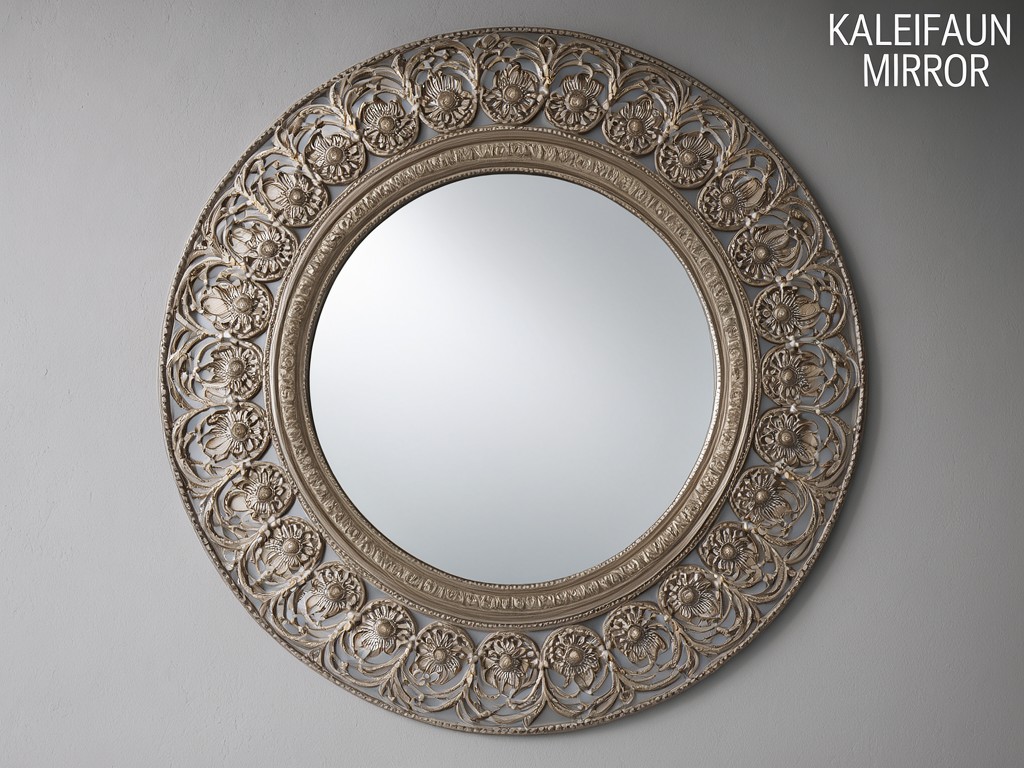
Specifying wholesale large round decorative wall mirror factory for Wholesale and OEM Orders
Selection rule: choose glass thickness, frame material and mounting method together. A heavier configuration can improve the solid feel at the wall, but it raises freight weight and the load demand on the mounting points. Lock the approved diameter, finish sample and hardware position before the production run.
Process choice shows up later as visible variation in diameter, frame roundness and finish shade. Mirror glass is cut to a circular profile, its edge is processed, and the reflective coating receives protective backing before the panel is assembled with its frame and hanging hardware. For wholesale and OEM orders, keeping those steps tied to one approved drawing and finish sample helps limit lot-to-lot differences that can trigger retail returns or complicate reorders.
How It Performs in Use
Consistency is set at the forming stage for a metal frame, while the mirror panel depends on accurate cutting and edge work. In a bedroom, hallway or retail fitting area, the buyer notices a clean reflection, a frame that sits evenly around the glass and a mount that keeps the mirror level. A slightly oval frame or a shifted hanger can make a batch look inconsistent even when each unit remains usable.
For a size reference, a 900 mm round panel in 4 mm glass contains about 6.4 kg of glass before the frame, backing and hardware are added. Glass thickness and frame section therefore affect both the hand feel and the installation load. Inspection can cover outside diameter, frame roundness, hanger location, coating appearance and visible reflection distortion. Final mounting capacity depends on the complete mirror weight, hardware design and wall substrate.
Material Options and Their Trade-offs
Where lower shipping weight matters, an aluminum frame can reduce mass compared with a steel frame of similar profile. Powder-coated aluminum also supports a consistent colour when the coating specification and approved sample stay fixed between runs. Steel provides a denser frame feel, but its added weight affects carton handling, freight cost and the wall hardware required.
Mirror glass is commonly specified in thicknesses such as 3, 4 or 5 mm, subject to diameter, frame design and the intended mounting arrangement. Thicker glass adds weight and can feel more substantial; it is not a substitute for suitable support or sound packing. Copper-free mirror options can be discussed where the backing system is a buying requirement. Confirm the exact glass and protective backing combination during sample approval, since coating appearance and edge protection affect what the customer sees after unpacking.
Finish control: define the frame colour by an approved physical sample or agreed colour reference, and keep the coating route consistent for repeat orders. A finish shift between batches can be more noticeable across a coordinated retail display than on a single mirror.
Comparing Two Standard Configurations
For a launch that prioritizes a light visual profile, a slim aluminum frame is often easier to ship and handle. A wider steel frame suits buyers who want a more pronounced border and a heavier feel. The right comparison is the complete assembled unit, not the frame material alone.
| Configuration | Use and feel | Buyer trade-off | Checks before order |
|---|---|---|---|
| Slim aluminum frame with 4 mm mirror glass | A restrained border and lower assembled weight than a comparable steel-frame option. | Can suit broad retail distribution where carton weight and a narrow frame profile matter. | Confirm coating shade, profile width, frame joint appearance and hanger position. |
| Wider steel frame with 4 or 5 mm mirror glass | A more substantial border and heavier assembled feel. | Adds material and freight weight; wall anchors must suit the finished unit and installation surface. | Approve the assembled weight, coating sample, edge finish and mounting hardware as a set. |
Use the approved first article as the reference for diameter, frame profile, finish and hardware placement. If any of those details change after approval, confirm whether the change affects the packed dimensions, unit weight or retail presentation before releasing the balance of the order.
Usage Scenarios and Buyer Segments
Furniture and home décor importers often need repeatable diameters and frame colours across a collection, so two production lots can sit together on the same shelf without a visible mismatch. For these buyers, sample sign-off should include the frame finish, mirror appearance, label details and packed presentation.
Hotel and residential project suppliers typically order by room schedule, where mirrors must arrive in quantities that match installation phases. A consistent hanger position and a clearly documented unit weight help installers prepare the correct fixings; the site team must still select anchors for the wall construction. E-commerce brands have a different pressure point: glass edges and frame corners need protection through parcel handling, and one damaged delivery can cost more than the packaging upgrade across a full carton run.
Private-label product managers may also need a branded box, insert or care label. Confirm artwork dimensions against the final carton and ensure the product description matches the approved glass, frame and mounting arrangement. That prevents a packaging revision after production has already been scheduled.
Capacity, Tooling and Scheduling
First-article tooling determines the frame profile, joining details and fixture requirements for the chosen diameter. A standard profile and existing size range can reduce setup work; a new profile, unusual frame depth or dedicated branding detail may require tooling review and a longer approval path. Confirm the sample schedule before fixing a retail launch date.
Capacity planning depends on the mix of diameters, frame finishes, glass options and packing styles—not only the total unit quantity. Multiple colours or sizes split a run into separate production and inspection lots. Keeping one approved specification across the order makes checks more direct and reduces the chance that a late colour or hardware revision delays packing.
For a date-sensitive order, share the target ship window, destination, order split and required retail pack before sample approval. The factory can then confirm material availability, production slots and export packing needs against the actual configuration rather than a generic unit count.
Export Packaging and Handling Protection
For long-distance shipment, the main risks are glass edge impact, pressure on the face and frame damage at the outer circumference. Individual cartons can use corner and edge protection with cushioning that keeps the mirror from shifting; larger or heavier units may need reinforced outer packaging or a crate, depending on shipment method and handling conditions.
Packaging should be checked against the packed mirror, not a nominal diameter alone. Frame depth, protruding hangers and protective pads change carton dimensions. For mixed-size orders, keep carton markings and packing lists aligned with the SKU and batch so receiving teams can identify each configuration without opening every package.
Request a review of the proposed pack when the order includes oversized mirrors, parcel delivery or several frame finishes. Any packaging change that adds corner blocks or a stronger outer carton can affect container loading and freight cost, so it belongs in the order specification before production packing begins.
Setup, Use and Replacement Parts
At installation, match the supplied hanging hardware to the mirror weight and the wall material; use suitable anchors for the actual substrate. A hanger that sits off-centre can leave a round mirror visibly tilted, so verify hardware placement and level the unit before final tightening. Follow the product instructions for the specific hanging arrangement.
Clean the glass with a soft cloth and a suitable glass cleaner. Keep excess liquid away from the mirror edge and backing, where trapped moisture can damage the reflective coating over time. Avoid abrasive pads on the glass or frame finish; they can leave scratches that are difficult to remove from a display unit.
For after-sales support, identify the mirror by diameter, frame finish, glass specification and order batch. Replacement hangers, pads or other approved hardware can be matched more accurately when those details are retained with the purchase record. A full replacement panel may require the original dimensions and frame construction, so confirm parts availability when finalizing the OEM specification.
Review Artwork and Branding Before Release
Send the target diameter, glass and frame options, finish reference, mounting details, order quantity, destination and retail artwork for a specification review. Resolving carton branding and product details before sample approval helps keep the production and shipment schedule aligned with your launch date.







