
China brushed brass bathroom wall mirror Factory: Specification, Ordering and Quality Notes
The interface between parts determines whether a brushed brass mirror keeps its clean outline after installation: glass size, frame fit, backing clearance and mounting points need to match the approved drawing.
For an importer qualifying a second source, the visual match is only part of the decision. Frame dimensions, mirror glass, finish tone and packed configuration need repeatable controls, or small lot differences can create display mismatches, replacements and avoidable returns.
Specification Range and Customisation Limits
Approve the drawing and finish sample together. A frame profile can change the visible brass area and the clearance around the glass, so approval of colour alone is not enough for repeat orders.
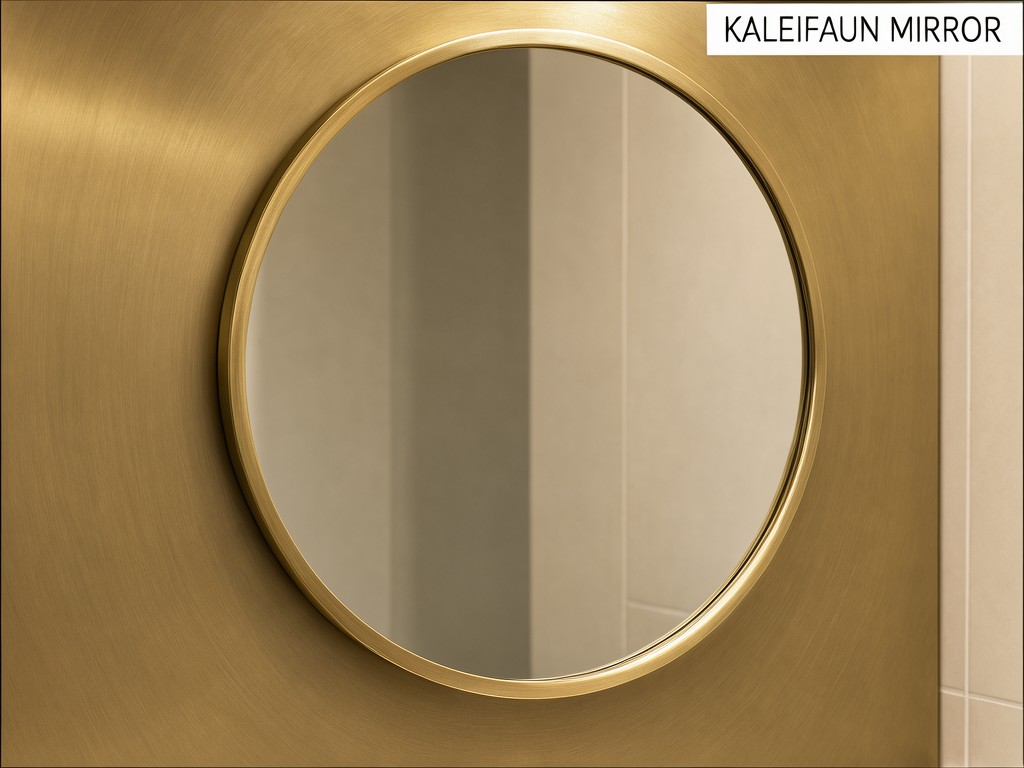
Rectangular, round and arched formats can be developed to order. Typical mirror glass thickness is 4–6 mm, subject to overall size, support method and target weight. The frame may use stainless steel or aluminium; brushed brass appearance comes from the selected surface treatment rather than a solid-brass assumption.
- Specify overall height and width, corner radius, frame face width, rear clearance and mounting-point locations on the product drawing.
- Confirm whether the mirror uses a safety backing film, and state the required backing coverage and edge treatment.
- Set the brushed direction and reference sample for the brass tone. Finish appearance can shift with substrate, treatment route and viewing light.
- Confirm bathroom installation details, including wall fixing method and whether hardware is included. Wall type and fastener selection remain installation-specific.
Large formats need a separate review of glass handling, frame stiffness and carton support. Increasing the size without revisiting those details can lead to edge damage in transit or a frame that does not sit evenly against the wall.
Option Comparison by Usage Level
Finish route and frame substrate affect purchase cost, appearance control and how a replacement unit matches the original lot. Compare samples under the lighting used for product approval, not only in a factory booth.
Stainless Steel Frame
A suitable route for buyers who prioritise a firm frame section and a consistent brushed-metal appearance. It generally carries a higher material cost than aluminium; confirm the finish tone and brushed grain against a retained sample for each production lot.
Aluminium Frame
A lighter frame can help manage handling and freight weight, particularly on larger mirrors. The profile design and joining method need review so that lower mass does not come at the cost of visible flex, corner gaps or uneven wall contact.
PVD and electroplated finishes should be assessed on the specified base material. Neither route makes a finish immune to scratching or chemical exposure; cleaning instructions and the buyer’s target price point should inform the selection.
Who Uses It and Where It Matters
Hotel renovation buyers choose framed mirrors for guest bathrooms where the brass finish must coordinate across room batches and replacement units. A drift in frame width or tone is conspicuous when mirrors sit beside matching taps, handles or lighting.
Bathroom retailers and online home-furnishing sellers need clear dimensions, mounting details and pack protection. For parcel delivery, glass edge protection and frame restraint inside the carton matter as much as the external carton strength.
Multi-unit residential contractors often order by project phase. Consistent finish lots and retained approval samples help match later deliveries when installation schedules split the quantity across several releases.
Requirements by Buyer Segment
- Importers qualifying a second source should compare a production-intent sample with the current reference unit for overall size, frame profile, glass appearance, mounting layout and finish tone.
- Retail buyers need a stable SKU specification, retail-ready labels and carton dimensions that match their storage and delivery plan. Confirm whether labels or inserts change between destination markets.
- Project purchasers should lock the finish batch and release schedule before ordering. If later top-ups are likely, ask the supplier to retain an approved sample and record the finish reference.
- Private-label programmes need final artwork, logo position and packaging copy approved before mass production. Late artwork changes can move the packing date even when the mirror specification stays fixed.
OEM and ODM Programme Structure
OEM work usually starts from a buyer drawing or an existing mirror sample, then fixes the frame material, dimensions, finish, mounting hardware and packaging. ODM development can adjust the frame profile, shape, size range or retail presentation around a target assortment.
For either route, approval should cover a signed drawing and a physical finish sample. Record the glass thickness, frame dimensions, finish direction, hardware set and pack configuration in the approved specification so purchasing, inspection and repeat orders reference the same version.
A colour chip alone does not define a brushed brass finish. Retain a sample made on the production substrate, since base material and surface process can change the visible tone.
Quality Control and Batch Consistency
Consistency depends on controlling the dimensions and finish that customers see and installers handle. A few millimetres of frame-width drift can alter the visual proportion; a colour shift between replenishment lots can leave a retailer with stock that does not match its display sample.
A practical control plan records the approved drawing revision, glass and frame materials, surface-treatment reference and packaging configuration. During production, checks should identify size variation, uneven joints, loose hardware, coating marks and glass-edge defects before packing. Retained samples and batch records give the buyer a comparison point when investigating returns or repeat-order differences.
For a second-source programme, agree which deviations require buyer approval before the first purchase order. That decision prevents quiet substitutions in frame material, finish route or packing that may preserve appearance at first glance but change cost or service performance.
What Gets Checked Before Shipment
A shipment inspection should compare finished goods with the approved sample and order specification. A good appearance check cannot replace dimensional checks or a review of the packed unit.
- Measure overall dimensions, frame face width and mounting-point positions against the released drawing.
- Review the glass face for visible marks, edge chips, distortion and alignment within the frame.
- Compare brass tone, brushed direction and surface uniformity with the retained production sample under consistent lighting.
- Check frame joints, mounting hardware, backing and carton restraint; confirm that labels and inserts match the purchase order.
Any drop or transit simulation should use the packed configuration intended for shipment. The result applies to that carton, internal supports and mirror size combination, not automatically to other pack formats.
Capacity, Tooling and Scheduling
Lead time and minimum order quantity depend on the mirror size, frame process, finish batch, packaging and whether new tooling or artwork is required. The figures below are planning factors to confirm against the selected specification, not fixed factory commitments.
| Order or Usage Condition | Typical Complaint or Schedule Risk | Specification, MOQ and Lead-Time Control |
|---|---|---|
| First production order for a new frame shape or finish | Sample-to-production differences in frame fit or brass tone; drawing or sample approval delays the start date. | Approve the production-intent sample and drawing before scheduling. MOQ depends on finish setup, material purchasing and pack requirements; confirm the order quantity and lead time after specification lock. |
| Repeat order using an existing approved design | Finish drift or a changed component creates visible mismatch, returns or unsellable mixed stock. | Reference the same drawing revision, retained finish sample and hardware list. A repeat order can avoid new development work, but MOQ and production timing still depend on material and finish-batch availability. |
| Staged project release or retail replenishment | A later delivery arrives in a different finish lot or misses the installation or shelf-restocking window. | Agree release quantities and dates early; ask whether material or finished goods can be reserved. Set MOQ per release and total programme quantity with the supplier before purchase-order confirmation. |
Custom frame profiles may require tooling or setup before sampling. Existing dimensions and standard packaging can shorten development, while new shapes, finish approvals or destination-specific labels add steps. Confirm sample timing, production slot, inspection window and freight handover date in the order schedule.
Discuss a Second-Source Project
Share the reference mirror or drawing, target order quantity, finish requirement and destination packaging details. A specification review can identify which dimensions, finish references and inspection checks need to match your current supply before sampling begins.
Contact the team to discuss your brushed brass mirror programme






