
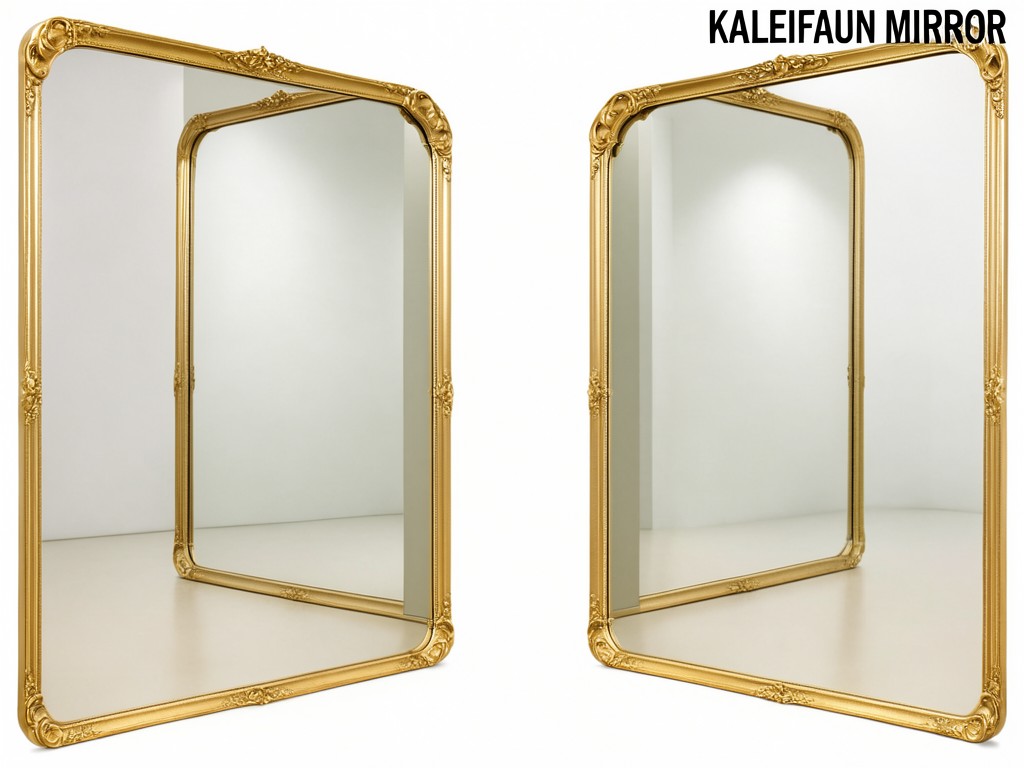
China gold wall mirror full length supplier - Bulk Supply and Specification Guide
During a private-label launch with a fixed ship date, a gold full-length wall mirror has to clear two checks before cartons are booked: the frame finish must match the approved sample, and the mirror must arrive without glass or corner damage. A heavier frame can reduce movement at the wall, but it adds freight weight; the practical decision is to set the mounting method, pack specification and approved finish before confirming the order.
Design Constraints Behind the Specification
A full-length mirror is a large, fragile retail item, so frame straightness and carton protection matter as much as its gold colour. Small changes in frame profile, corner joints or hanging hardware can affect the visible border and how securely the mirror sits against the wall.
Gold finishes can vary with the base metal and coating process. Anodized aluminum and coated or plated steel do not produce identical tones, and batches can look different under warm retail lighting. Approve a physical finish sample under representative lighting, then use that sample as the production comparison point.
Treat this as an indoor product, not an exterior mirror. Humid rooms and routine cleaning can expose weak coating edges or an unsealed backing; specify the intended room conditions and care instructions before approving the finish.
How It Is Built and What That Changes
The common build pairs mirror glass with a protective backing and a metal perimeter frame. Aluminum keeps shipping weight lower and suits slim profiles; steel adds mass and can support a more substantial frame, with a corresponding increase in handling and freight cost. In either case, the corner join and the frame’s contact with the glass need consistent control to limit rattling, edge pressure and finish damage.
For batch consistency, compare frame colour against the approved sample and check overall dimensions, diagonals, glass condition, hanging-point position and carton fit. A carton drop or handling check on a packed sample can reveal weak corner protection before a shipment is released; it does not replace checks on glass edges and frame assembly.
- Inspect the backing for exposed edges, scratches or separation before the frame closes around the glass.
- Check that mounting hardware matches the mirror’s weight and the intended hanging orientation.
- Retain a signed-off finish sample and a packed reference unit for comparison during repeat production.
Size, Weight and Specification Range
The ranges below are planning references, not a substitute for a drawing and approved sample. Actual packed and product weight depends on glass thickness, frame profile, hardware and packaging. Confirm finished dimensions and gross carton weight before calculating pallet loads or freight cost.
| Specification point | Typical option or range | Trade-off and confirmation point |
|---|---|---|
| Frame material | Aluminum or steel | Aluminum usually lowers shipping weight; steel adds frame mass. Confirm profile, joint construction and gold finish sample. |
| Mirror glass thickness | Typically 3–5 mm, subject to design | A thickness change affects weight and frame fit. Lock the glass specification before finalizing hardware and packaging. |
| Overall height | Commonly 1,500–1,800 mm | Set the finished size against the retail plan and carton limits; specify whether dimensions include the frame. |
| Overall width | Commonly 400–600 mm | Wider formats increase glass area and carton footprint. Confirm clearance for protective inserts and warehouse handling. |
| Product weight | Often about 12–25 kg across common full-length formats | Use the final production sample for weight and mounting checks; packaging adds separate gross weight. |
- If carton weight is the main freight constraint, compare an aluminum frame with the target glass thickness.
- If a heavier border is part of the retail design, price steel and review its packed weight before artwork and carton approval.
- If the mirror will hang in a humid indoor room, confirm the finish and backing protection for that use; do not specify it for outdoor exposure.
Buying Mistakes That Lead to Returns
A finish approved from a screen can differ from the shipped batch because lighting, coating and base metal change how gold reads. If colour variation becomes visible across a retail display, the buyer may face exchanges even when each mirror is intact. Keep the approval sample, define acceptable visual variation in writing and compare production units under consistent light.
The other common cost trap is comparing unit prices without comparing packed condition. Thin corner protection or loose internal clearance can allow a frame to strike the glass during transit. A lower carton cost is a poor saving if damage claims, replacements and delayed shelf dates exceed the difference; approve a fully packed sample and review any damage found in transit before the next order.
Also confirm the mirror’s mounting orientation, hardware quantity and wall-fixing instructions. Missing or mismatched hardware can turn an otherwise saleable unit into a return, while the wrong wall anchor can create a safety issue outside the factory’s control.
Keeping Repeat Orders Supplied
Moving from sample orders to container loads changes the planning problem: glass, frames, cartons and hardware all have to reach the assembly schedule in sequence. For a fixed retail launch, agree the order quantity, finish approval date, packaging sign-off and inspection window before confirming the ship date. A last-minute change to glass size or frame colour can affect both material availability and carton readiness.
Keep a batch record of frame finish, finished dimensions, product weight, hardware and packing configuration. On repeat orders, compare these records with the retained approval sample rather than relying on the previous purchase order alone. Confirm stock status and production capacity against the required dispatch window; availability of one component does not mean a complete order is ready to ship.
- Share target delivery date, destination and expected order volume when requesting a production schedule.
- Approve the retail label, carton marks and packing layout before the main batch is packed.
- Request a sample with the proposed frame finish, mounting hardware and export packaging to check fit and appearance before bulk release.
To request a sample, send the target height and width, frame preference, gold finish reference, hanging orientation, destination market and launch date through our inquiry page. These details allow the sample and shipping plan to reflect the specification you intend to reorder.







