
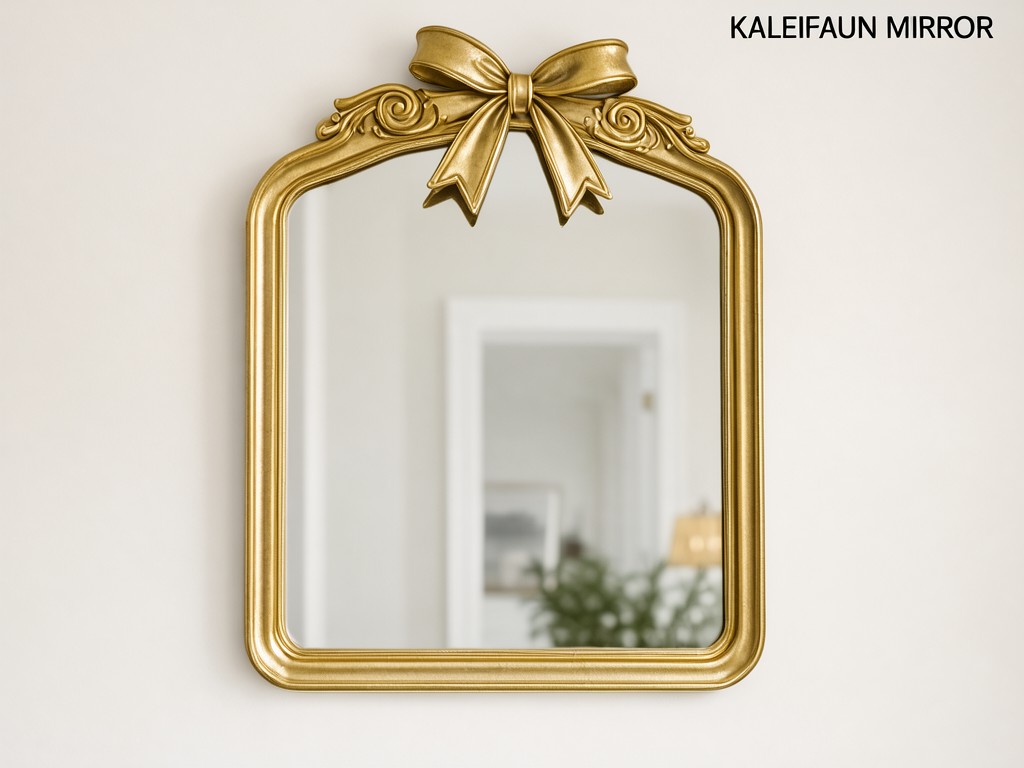
China gold wall mirror with bow design factory - Bulk Supply and Specification Guide
Consistency is set at the forming stage: glass dimensions, edge finish, frame profile and bow placement establish the appearance that each unit must repeat. For retail buyers and importers, small differences across a shipment can turn a coordinated display into mixed stock, with extra inspection, markdowns or replacement orders.
Bulk production can be configured around a buyer’s target size, gold tone, frame material and hanging method. The right comparison is not simply unit price; it is the cost of saleable units after breakage, finish variation and retail presentation are accounted for.
Scope of Supply and Physical Form
A typical order combines a mirror glass panel, a gold-finish surrounding frame and a bow-shaped decorative component, often positioned at the top. The frame and bow may be produced as separate parts or designed as a coordinated assembly; the choice affects joint visibility, repair access and packing volume.
The supply scope can also include rear backing, wall-hanging hardware and individual protective packaging. Confirm whether the quote covers these items, since adding hardware after sample approval can change the rear clearance and carton layout.
Materials and Construction Trade-offs
| Construction option | Buyer trade-off | Points to confirm |
|---|---|---|
| Glass mirror with a metal frame and attached bow detail | A metal frame can give a narrow profile and firm perimeter support. Material and finish choices affect weight and cost. | Frame thickness, corner joints, bow attachment and the specified gold finish. |
| Glass mirror with a wood-based frame and decorative bow | A wood-based frame supports shaped profiles and can suit a larger decorative surface. It needs protection from edge damage and moisture during storage. | Substrate thickness, surface preparation, joint alignment and finish coverage at corners. |
| Glass mirror with a molded decorative frame or bow component | Molded parts can repeat a shaped detail across a run, but tooling and part changes influence initial cost and minimum order planning. | Tooling ownership, mold changes, attachment method and sample approval for the profile. |
Process choice shows up later as corner alignment, bow stability and the way the frame feels at its edges. Separate decorative parts allow more flexibility in finish and replacement; an integrated profile can reduce visible joins but may limit repair options. Compare the physical approval sample with the agreed construction, not only with a product photograph.
Specification Range and Customisation Limits
Set a controlled reference sample. Record overall width and height, mirror opening, frame depth, bow position, hanging point and gold-tone reference together. If these are approved separately, production can meet each individual note while still producing inconsistent finished units.
Dimensions are drawing-led rather than universal. A compact vanity mirror and a larger entryway piece use different glass support and carton protection; changing the outer size may also change the apparent bow scale and frame proportions. Share the finished dimensions and tolerance targets before tooling or sample confirmation.
| Customisation area | Options for quotation | Approval control |
|---|---|---|
| Size and shape | Overall dimensions, mirror opening, corner shape and frame depth based on drawing. | Signed drawing and first-piece measurement record. |
| Gold finish and colour | Finish route and tone selected to suit the frame material and retail reference. | Approved physical sample viewed under agreed lighting. |
| Bow detail | Profile, scale, position and attachment method. | Front-view template plus attachment check on the sample. |
| Packing and retail presentation | Individual protection, carton quantity, labels and barcode placement. | Pack-out sample and label proof before bulk packing. |
Finish route and substrate should be quoted as a matched specification. A sprayed gold coating and a plated metal surface can differ in reflectivity, touch and repair method; changing the route after approval may shift both colour and unit cost. Finish options should be sampled on the actual frame material.
Usage Scenarios and Buyer Segments
Retail Buyers and Importers
For coordinated seasonal assortments, repeatable gold tone and bow placement matter across cartons. A reference sample and clear packaging specification reduce sorting at the distribution centre and help limit returns tied to visible variation.
Hospitality and Interior Projects
For guest rooms, dressing areas or reception spaces, units may be viewed side by side under the same lighting. Buyers should align dimensions, hanging hardware and finish appearance before ordering enough pieces for a full installation.
Home Décor Brands
A brand may prioritise the tactile frame edge and a consistent bow silhouette as part of its assortment identity. Specify cleaning instructions and pack protection so the finish and decorative part arrive in retail condition.
For all three channels, the selling cost includes more than the factory price. Rework, damaged corners, mismatched finish lots and hard-to-replace parts can consume the margin on otherwise saleable mirrors.
How Consistency Is Held Across Batches
Repeat orders drift when the factory changes glass cutting references, frame components or finish suppliers without carrying forward the approved sample. Gold tone is especially sensitive to substrate preparation and coating conditions, so comparing a new production lot only with a digital image leaves too much room for interpretation.
A controlled order file should link the drawing, material choices, physical finish sample, bow location, hardware and carton specification. Keep the accepted sample or a labelled reference set available for future runs. If any source material or finish process changes, request written notice and reapproval before bulk production continues.
Weight can shift when frame thickness, glass size or hardware changes. Set a project-specific target and tolerance rather than comparing unlike sizes; otherwise, a normal design revision may appear to be a batch defect. This record also helps procurement compare landed cost against the number of units that pass incoming inspection.
Inspection Items and Test Methods
- Measure overall width and height, mirror opening, frame depth and bow position against the approved drawing. Check units from different cartons, not only consecutive pieces from one carton.
- View the mirror face for visible distortion, coating marks, scratches and edge defects under consistent inspection lighting. Record the inspection distance and viewing conditions for repeat checks.
- Compare the gold finish with the retained sample. Check multiple frame locations for tone variation, incomplete coverage, scratches and finish damage at corners or joints.
- Check bow attachment and frame joints by hand for movement, gaps or looseness. Confirm the hanging hardware is secure and located as shown on the approved rear-view drawing.
- Weigh a sample of finished units when weight is part of the order specification. A shift can indicate a material or component change that also affects handling and freight planning.
- Review the packed unit for edge cushioning, separation from loose hardware and carton closure. A controlled transit or drop check may be agreed for the selected carton and shipping route; the result applies to that pack configuration.
Inspection limits should distinguish cosmetic variation from a defect that affects installation or sale. Agree the sampling plan, acceptable appearance range and corrective-action process before shipment; do not rely on an informal visual comparison after goods reach the warehouse.
Questions Buyers Ask Before Ordering
Can the bow shape or position be changed?
Yes, subject to the selected frame construction. Provide a drawing or marked reference image with dimensions and placement. A new molded component may require tooling discussion; a separately attached detail may allow a simpler design adjustment.
How should we approve the gold colour for repeat orders?
Approve a physical sample made on the intended frame material and finish route. Keep a labelled reference and compare later batches under the same lighting. A screen image alone cannot control the appearance of metallic or reflective finishes.
What information is needed to quote a bulk order?
Send the target quantity, finished dimensions, frame material preference, finish reference, bow details, hanging method and destination market. Include packaging and retail label requirements; these can affect carton design, unit weight and lead-time planning.
Can individual parts be serviced or replaced?
That depends on whether the frame, bow and mirror are assembled as separate components. Specify the repair expectation before production so the attachment method and access to hardware can be assessed. For a retail programme, confirm whether replacement parts can be supplied alongside finished units.
Discuss the project before sample release. Share the drawing, target order volume, preferred materials, finish reference and packing needs to align the sample with the production quote.
Contact the factory to review your mirror specification and bulk order plan.







