
Custom high quality gold wall mirror factory - Bulk Supply and Specification Guide
Replacement rate, not unit price, sets the useful cost benchmark for a gold wall mirror programme. A lower-cost frame finish can lose colour or show corrosion sooner in humid rooms; thicker glass and a better-protected frame raise the opening price but can reduce damage and finish complaints. Specify the exposure, dimensions and finish first, then compare landed cost across the expected reorder volume.
What the Design Has to Balance
Large glass panels are sensitive to edge damage and frame movement, so size, glass thickness and the support method need to be set together. A thin, light frame can lower freight cost, but it leaves less tolerance for uneven walls and rough handling; a deeper metal profile adds material and packing volume while supporting the glass more evenly.
For the mirror panel, the usual construction is float glass with a reflective silver layer and protective backing paint. Frame options include formed steel, extruded aluminum or wood, with the substrate and coating selected to match the design and sales environment. Gold appearance can vary from bright polished tones to brushed champagne shades, so approve a physical finish sample rather than relying on a screen image.
Exposure rule: For bathrooms or other humid interiors, specify corrosion protection for the frame and sealed or protected rear edges. Do not treat an indoor mirror as suitable for uncovered outdoor use unless the full assembly has been developed and tested for that exposure.
Custom frame profiles can require an extrusion die or forming tool. The tooling charge is spread across production volume, so a stock profile often wins for a short run, while a custom section can become more economical per unit when repeat orders justify the initial cost. The decision rule is to compare tooling amortisation, finish consistency and expected reorder quantity—not just the first quotation.
Requirements by Buyer Segment
Wholesale buyers usually need a stable core size range, repeatable gold tones and cartons that suit mixed-SKU shipments. OEM buyers often place greater weight on proprietary dimensions, brand presentation and documented approval samples. For both, a second source is useful only when the frame profile, glass specification, colour reference and packing configuration can be reproduced without interpretation.
Customising several dimensions and finishes at once raises sampling time and complicates inventory planning. A practical qualification route is to retain one approved glass and frame construction, then vary only the dimensions or finish needed for each selling channel. If the mirror is intended for a humid room, state that use condition in the specification; a gold-coloured surface alone does not establish corrosion resistance.
| Gold finish option | Typical process or substrate | Cost and selection consideration |
|---|---|---|
| Powder-coated gold tone | Commonly applied to prepared metal frames; sheen and texture depend on the powder and cure process. | Often practical for repeat bulk orders. Confirm the approved colour and surface texture against a retained sample. |
| Anodized champagne or gold-toned aluminum | Colour is developed as part of the aluminum surface treatment. | A suitable option for aluminum profiles; shade can vary with alloy, batch and surface preparation, so approve production samples. |
| Metallic plated finish | Applied to a compatible metal substrate using a specified plating system. | Can support a brighter metallic appearance, with added process cost. Confirm substrate preparation and corrosion expectations for the destination market. |
OEM and ODM Programme Structure
A second-source programme should begin with a controlled specification pack: outline dimensions, corner shape, glass thickness, edge finish, frame material, gold-tone reference, rear support and mounting hardware. A drawing and finish sample establish the approval baseline; without them, small differences in profile depth or colour can pass between sampling and bulk production.
ODM supply is generally quicker when the buyer selects an existing frame profile and adjusts size, finish or packaging. OEM development can add a custom profile, new tooling and additional sample rounds. Tooling is a separate early cost, but a dedicated profile may lower recurring unit cost once order volume is sufficient; low initial quantities are more exposed to tooling cost and longer setup time.
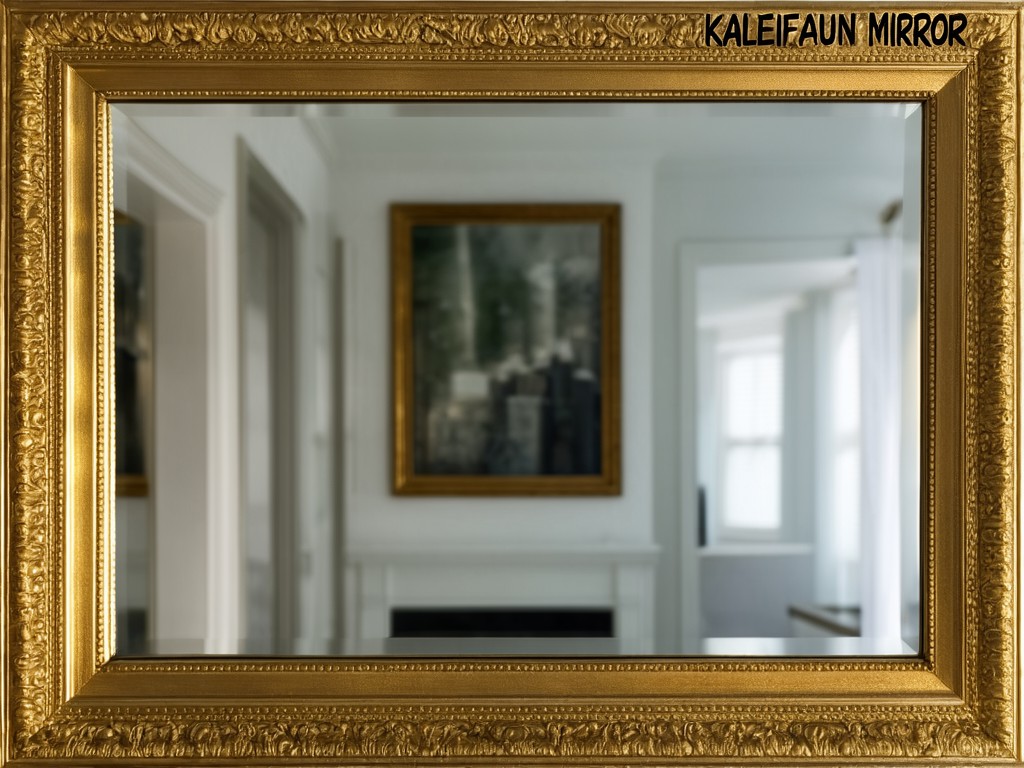
| Specification point | Common programme range or choice | Buyer approval detail |
|---|---|---|
| Mirror glass | Often 3–5 mm, subject to mirror size and support design. | Confirm thickness, edge polish, reflective backing and rear protection. |
| Overall dimensions | Made to the approved drawing; production tolerance depends on size and construction. | Define overall size, diagonal check and acceptable frame-to-glass fit. |
| Frame construction | Formed steel, extruded aluminum or wood, depending on profile and target price. | Approve profile section, joining method, hanging points and finish system. |
| Branding and pack-out | Retail label, carton print, inserts and mixed-SKU packing are configurable. | Supply final artwork, barcode data and destination-specific carton instructions before production. |
For repeat orders, retain a signed sample or agreed colour reference and record any approved drawing revisions by batch. MOQ and lead time depend on the selected profile, finish batch, tooling status and carton requirements; confirming those inputs early gives a more useful comparison between a new supplier and the incumbent.
Inspection Items and Test Methods
Incoming glass checks cover visible scratches, edge chips and reflective defects; frame checks cover profile dimensions, joint alignment, coating appearance and mounting hardware. During assembly, verify that the glass sits without concentrated pressure and that the rear support holds it in position. Dimensional checks should use the approved drawing and include overall width, height and diagonals, since a panel can meet the nominal dimensions yet sit out of square.
Finish inspection compares the production surface with the approved sample under consistent lighting, with attention to shade variation, missed coverage, scratches and coating damage at corners or joints. Where humid-room use is specified, agree on a suitable exposure check for the finished frame and inspect for discolouration or corrosion; salt-spray testing can be specified when relevant, but the method and acceptance criteria should be agreed before production rather than assumed.
A pilot batch helps expose assembly or packing issues before a large shipment. Record the inspected quantity, defect categories, rework and disposition by production lot so a replacement supplier can be compared on the same basis as the current source.
Export Packaging and Handling Protection
Mirror breakage in transit commonly starts at a corner or edge after carton impact, then worsens when the panel can move inside the pack. Use edge and corner protection, a face separator and a fitted inner support so pressure does not land directly on the glass. Carton strength and internal bracing should match mirror size, shipment route and whether cartons will be palletised or handled individually.
For oversized mirrors or routes with repeated transloading, discuss reinforced cartons or crate options against added freight volume and handling cost. Confirm pack orientation, carton marks, pallet footprint and retail labelling before the production run; changing those details after pack-out can delay dispatch. Keep a packed sample or approved packaging record for repeat orders, then review transit damage by SKU and lot when assessing the second source.
Discuss a second-source programme. Share the target dimensions, finish reference, order forecast and destination packaging needs to review tooling, sample stages and a workable production schedule.







