
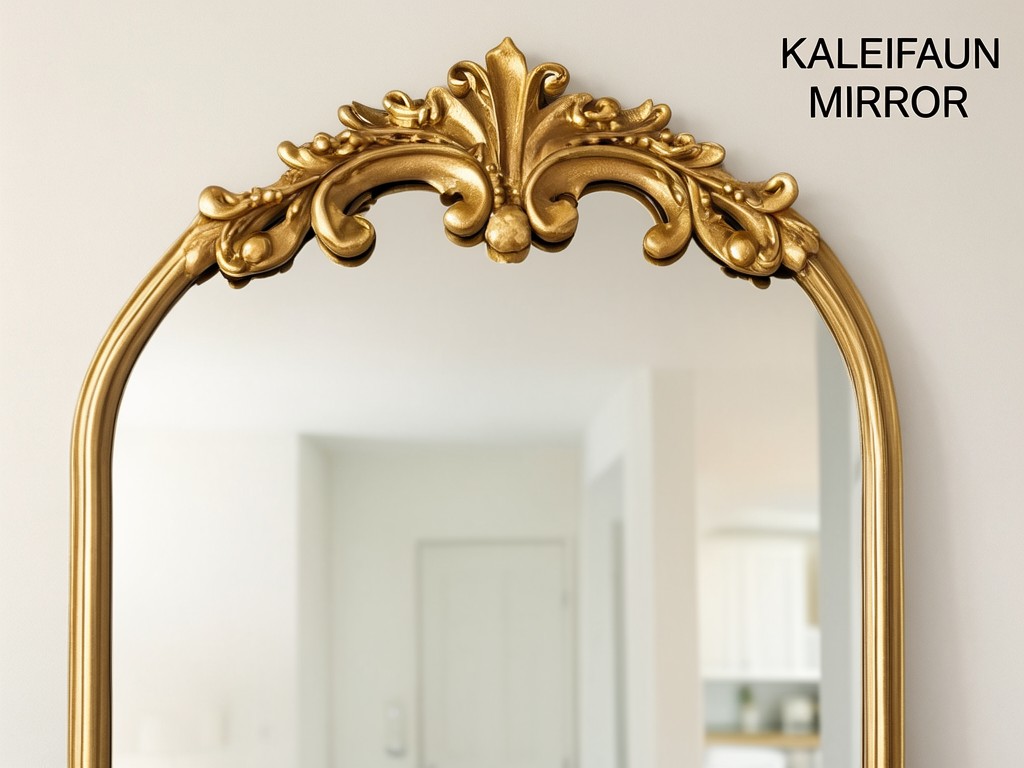
Discount large gold arch mirror china factory: Specification, Ordering and Quality Notes
Frame weight and stiffness trade off against each other on a large arch mirror. A lighter frame can reduce freight cost, but a frame that flexes during handling puts extra load on the glass and its edge; adding metal thickness or stronger joints increases weight and carton requirements. Agree the overall dimensions, frame material and support points together, then approve a finished sample at the intended size.
The limiting factor is rarely the headline dimension. Returns more often follow from glass breakage in transit, a frame that twists out of plane, gold finish wear at exposed edges, or backing damage after repeated cleaning and humid storage. For a second-source programme, compare a production-representative sample, packing method and inspection record—not just a finish chip or a photo.
What This Product Is and Where It Fits
A large gold arch mirror is an indoor decorative mirror with a curved top, a reflective glass panel and a gold-finish perimeter frame. Retail buyers commonly specify it for bedroom, hallway and dressing areas, where the mirror may be wall-mounted or supplied with a floor-standing support. The final construction depends on the mounting plan, the target retail price and the dimensions needed for the sales channel.
Confirm whether the order is for a framed mirror, a mirror with an integrated stand, or a wall-hung unit. These configurations differ in frame reinforcement, hardware, finished weight and carton design. A factory quotation is comparable only when those details, the glass specification and the gold finish are defined.
How It Performs in Use
Fatigue appears at the stress concentration: typically at frame joints, stand attachments or mounting points that carry the mirror’s weight. If the frame is thin relative to the panel size, handling or repeated repositioning can distort the perimeter and place uneven pressure on the glass. Check frame alignment, joint security and hanger placement on a complete sample, not only on separate components.
Indoor mirrors are not intended for shower enclosures or locations with persistent condensation. In bedrooms and hallways, ordinary dusting and occasional cleaning are expected; abrasive pads, strong acids and chlorine-based cleaners can mark the finish or damage exposed edges and backing. Specify a care instruction that directs users to a soft cloth and a mild glass cleaner, with liquid kept away from frame joints and the mirror edge.
Inspection rule: approve the reflection, frame alignment and edge condition together. A clean-looking face does not rule out backing damage, loose hardware or movement at a welded or joined section.
How It Is Built and What That Changes
A typical process cuts the mirror glass to the arch profile, finishes the edges, forms and joins the frame, applies the selected gold finish, then assembles the panel and mounting hardware. The glass backing protects the reflective layer; frame design determines edge coverage, support and the visible border. Changes to the arch radius, frame depth or stand arrangement can affect both tooling and the packing footprint.
An aluminum frame can reduce shipped weight, while a steel frame may suit designs that need a more substantial profile or specific joint construction. Neither material resolves poor fit or weak attachment points by itself. Compare samples at the same size and configuration, and review frame straightness, finish coverage at joints and the security of all fixings.
Lighter Frame Route
Consider an aluminum profile when reducing unit weight and freight volume matters. Check whether the chosen section holds its shape at the specified mirror size and whether the gold finish matches the approved sample.
More Substantial Frame Route
A steel frame may fit a heavier visual profile or a design with specific support requirements. Account for added carton protection and verify that formed edges and joined areas receive consistent finish coverage.
Where This Product Beats Standard Alternatives
The arch profile gives retailers a distinct silhouette without requiring a change to the basic mirror function. Against a plain rectangular mirror, it can serve as a feature piece in a bedroom or entryway; against a frameless mirror, the perimeter frame adds a defined border and can conceal part of the glass edge. Those benefits depend on a finish and frame profile that remain consistent across the order.
For buyers qualifying a second source, the practical advantage is control over repeat orders: documented dimensions, a retained finish reference and an agreed inspection method make supplier changes easier to assess. The design is not a fit for wet rooms or rough handling environments unless the construction and intended use are specifically reviewed.
Buying Mistakes That Lead to Returns
Many claims start with a mismatch between the approved sample and the production order. A frame can look close in a small finish swatch yet differ across a full-length arch; mounting hardware can also change between samples and bulk units if it is not listed on the controlled specification.
- Compare the finished outside dimensions, glass size and arch profile against a signed drawing. Do not rely on nominal size alone.
- Inspect the reflective face for distortion, scratches and visible defects under consistent lighting; examine glass edges and backing separately.
- Check frame joints, hanger or stand attachments, and finish coverage at corners and contact points before approving production.
- Request a packed sample or a documented packaging review. A well-finished mirror can still arrive with chipped glass if edge and corner protection do not suit its size.
Customisation Options and Their Limits
Custom dimensions, frame profile, gold tone, backing and mounting configuration can be discussed against the order quantity and factory process. A change to the arch geometry or frame tooling may require a new sample and added development time. Keep one approved reference for color and finish; descriptions such as “warm gold” alone leave too much room for variation.
| Custom Element | Options to Confirm | Buyer Check |
|---|---|---|
| Overall size and arch shape | Height, width, radius, frame depth and edge visibility | Approve a dimensioned drawing and a full-size appearance sample where required. |
| Frame and gold finish | Frame material, profile, finish method, sheen and color reference | Review the finish on the actual frame material, including joints and exposed edges. |
| Mirror and mounting | Glass specification, backing, wall hardware or integrated stand | Confirm intended installation, included fixings and handling instructions. |
| Retail presentation | Logo, product label, barcode placement and instruction insert | Supply final artwork and confirm the label position before print approval. |
OEM and ODM Programme Structure
An OEM order can follow a buyer’s existing drawing, finish reference and packaging artwork. An ODM project may start from a factory design, followed by changes to dimensions, frame details, branding or mounting hardware. In either route, identify the controlled sample, bill of materials, revision date and inspection points before bulk production.
For second-source approval, request a sample made with the intended production materials and assembly method. Record acceptable variation for dimensions, finish appearance and hardware position in the purchase specification; resolve any open point before the order is released. Tooling responsibility, sample charges, MOQ and any repeat-order conditions should appear in the quotation rather than remain verbal.
Ordering, Tooling and Lead-Time Questions
Lead time depends on sample approval, material availability, finish process, order quantity and whether new frame tooling is required. A repeat order with an unchanged drawing and approved finish reference is simpler to schedule than a new size or profile. Confirm the production start point, inspection window and shipping handover separately in the order timeline.
| Packaging Stage | Details to Agree | Purpose |
|---|---|---|
| Glass protection | Face protection, edge guards and separation from frame contact points | Limit scratches, edge chips and movement inside the carton. |
| Outer carton | Carton strength, internal supports, shipping marks and retail label position | Protect the arch and corners through the agreed freight route. |
| Pallet or container loading | Carton orientation, stack limits and pallet layout if applicable | Avoid point loads and movement that can damage glass or finish. |
Can the factory quote from a reference image?
A reference image can start a discussion, but it does not define arch dimensions, frame depth, glass edge treatment or mounting details. Provide a dimensioned drawing or approve the factory drawing before sampling.
What should a second-source sample include?
Request the complete mirror with its production-intent frame, finish, backing, fixings and proposed export packaging. A partial sample cannot confirm assembly, overall alignment or transit protection.
Does a new size always require new tooling?
Not always. The answer depends on the existing frame profile, forming method and arch geometry. Ask the factory to identify any new tooling, sample charge and ownership terms in the quotation.
To qualify a sample, share the target dimensions, frame and finish reference, mounting plan, expected order quantity and destination packaging needs. Request a production-representative sample and confirm the approval points before placing a bulk order.







