
Durable Vintage Gold Bathroom Mirror Wholesale: What Buyers Should Check Before Ordering
What This Product Is and Where It Fits
A vintage gold bathroom mirror combines a reflective glass panel with a framed or edge-finished surround in an aged gold tone. Retail buyers and distributors typically select it for bathroom collections where the mirror must coordinate with warm-metal fittings without looking overly bright or polished.
For wholesale orders, the buying decision extends beyond the showroom sample. Frame dimensions, glass thickness, finish tone, mounting method and protective packing all affect landed cost and the chance of returns. A defined approved sample and written specification give repeat batches a reference point before production starts.
What the Design Has to Balance
Deflection under load governs frame choice at wide spans. A wider mirror needs a frame and hanging arrangement suited to the assembled weight; the wall fixings must also match the installation surface and be confirmed for the order.
Balance and load analysis shows why glass thickness, frame profile and mounting points should be reviewed together. A slim surround can preserve a light vintage look, but it leaves less material for concealed joints and support. A deeper frame adds structure and visual weight, with a corresponding increase in material use, shipping weight and carton requirements.
The face finish also needs a deliberate level of variation. A controlled aged tone can hide small handling marks better than a bright mirror-like gold, while an inconsistent distressed effect can make pieces from one retail set look mismatched. Approve the colour and surface character on a physical sample, not from a screen image alone.
Material Options and Their Trade-offs
| Finish or colour option | Typical construction | Buyer trade-off |
|---|---|---|
| Brushed antique gold | Metal frame with a brushed or textured gold-tone coating | Subtle surface texture suits vintage ranges; approve the sample to control tone and brush direction across batches. |
| Aged champagne gold | Gold-tone finish with a lighter, muted colour target | Pairs with lighter fittings, though slight colour differences can stand out across a coordinated product set. |
| Dark antique gold | Gold base with a darker aged effect or topcoat | Adds visual depth, but the approved sample should define where and how much darkening is acceptable. |
| Mirror glass and backing | Glass thickness and rear protection selected for size and construction | A protective backing film can help retain fragments if glass breaks; confirm its coverage and edge treatment in the specification. |
Frame material changes both cost and finish options. Aluminum keeps frame weight down and supports formed profiles; steel can suit a more substantial surround but adds mass and needs suitable corrosion protection. Solid brass raises material cost and may suit a premium range, while a brass-tone coating on another metal offers a lower-cost route with different wear behaviour.
Bathroom exposure makes coating coverage at corners and joints part of the material decision. No decorative finish should be treated as immune to standing water or harsh cleaning chemicals. Provide care guidance that matches the selected finish.
How It Is Built and What That Changes
Metal Frame Route
The frame is cut or formed, joined at the corners, prepared for coating and finished to the approved colour. Miter alignment and coating coverage matter at the joints; poor fit can leave visible gaps or expose the substrate to moisture.
Glass and Assembly Route
Glass is cut to size, its edges are finished, and the reflective layer receives protective backing before assembly. The frame, glass and rear support are then fitted and checked as one unit. The interface between parts determines whether movement, adhesive failure or uneven support becomes a return issue.
A lower-cost frame finish can reduce the unit price, but exposed corners or inconsistent coating may increase damage claims after installation. The economical choice is the construction that meets the range’s appearance target and transit needs without adding avoidable repair or replacement cost.
How to Choose Before Requesting a Quote
Fix the size and orientation. Specify overall frame dimensions, visible glass area and portrait or landscape mounting.
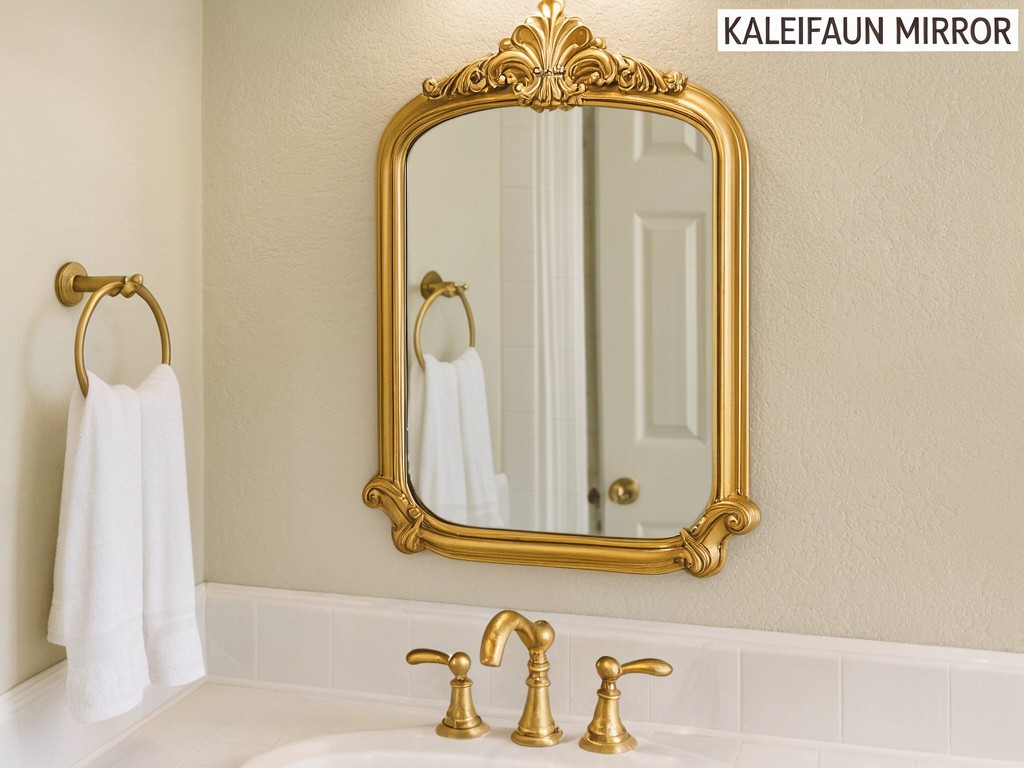
Select the assembly. Confirm glass thickness, frame material, rear protection and mounting arrangement.
Approve the finish. Identify the target gold tone, texture and acceptable variation against a retained sample.
| Inspection checkpoint | Factory check | Buyer release basis |
|---|---|---|
| Overall dimensions and squareness | Measure the assembled mirror and compare corners and diagonals with the approved drawing. | Tolerance and measurement points agreed before production. |
| Glass appearance and edge finish | Inspect the reflective face under consistent lighting and check edges for chips or unfinished areas. | Defect limits and viewing conditions documented against the sample. |
| Frame joints and finish coverage | Check joint alignment, coating coverage, colour consistency and visible surface marks. | Approved colour sample and agreed limits for surface variation. |
| Assembly and packing condition | Check mounting hardware, rear support and carton protection on packed samples. | Pack-out method and inspection frequency agreed for the order. |
Quote requests should include target quantity, destination, requested ship window, packaging needs, retail label details and any private-label artwork. Confirm the sample approval date as a production milestone; late approval can move the dispatch window even when materials are available.
Buying Mistakes That Lead to Returns
- Ordering from a colour image alone can leave the delivered gold tone visibly different from bathroom fittings or other pieces in the range. Retain an approved physical sample for comparison.
- Selecting by unit price without checking frame joints, coating coverage and glass protection can shift cost into replacements, freight claims and warranty handling.
- Leaving mounting details open can create an installation mismatch. State the intended orientation and confirm the mounting arrangement before artwork or packaging is finalized.
- Approving a carton without a packed sample can expose corners and glass edges to transit damage. Review cushioning and outer-carton protection for the actual shipment route.
- Changing the finish supplier or frame substrate between repeat orders without reapproval can create batch-to-batch differences. Tie each production run to the agreed bill of materials and finish reference.
Returns often begin with a specification gap rather than a single material fault. A concise inspection plan, clear approval records and matching carton instructions help keep warranty exposure predictable.
Usage Scenarios and Buyer Segments
Match the Mirror to the Sales Channel
Homeware retailers use framed vintage gold mirrors as part of coordinated bathroom collections, so repeat finish consistency and shelf-ready labelling matter across sizes. Importers and distributors often need a pack specification that limits breakage in mixed-SKU cartons and keeps replacement handling manageable.
Private-label buyers may prioritize an exclusive frame profile, custom dimensions or a distinct aged finish. Those changes can affect tooling, sample rounds and production timing. For hospitality renovation supply, the buyer may favor a simpler repeatable finish and a clear replenishment plan for replacement units after installation or room turnover.
Across these channels, bathroom use calls for clear care instructions: wipe moisture from the frame and avoid abrasive pads or aggressive cleaners unless the selected finish has been confirmed for that exposure.
Keeping Repeat Orders Supplied
Protect the launch window with an agreed order sequence. Confirm sample approval, material allocation, finish approval, carton artwork and ship date before the production slot is released.
Stock availability depends on the chosen size, frame material and gold finish. Standard configurations may use available components; custom profiles, colours or private-label packaging can require additional sampling and procurement time. Check the current lead time and minimum order quantity against the requested launch date rather than relying on a generic estimate.
For reorders, retain the signed-off specification, finish reference and approved packing sample. Batch identification on cartons and order records helps the buyer trace production if a finish concern or transit claim appears. Confirm available quantities and dispatch timing before committing retail allocation.
Request a sample before placing a wholesale order to check the frame profile, glass appearance, gold tone and packed condition together. Send the target size, quantity, destination and launch date through our sample and wholesale inquiry page.







