
Large gold wall mirror b2b supplier: Specification, Ordering and Quality Notes
What This Product Is and Where It Fits
| Selection point | Common supply options | Durability guide |
|---|---|---|
| Overall size | Made to order; dimensions and portrait or landscape orientation are agreed at quotation. | Larger glass panels need suitable support and careful handling to limit stress at the edges. |
| Mirror glass | Mirror-grade float glass, commonly 4–6 mm depending on dimensions and frame design. | Glass thickness alone does not prevent breakage; edge condition, backing support and installation also matter. |
| Gold frame finish | Options can include powder-coated metal, anodized aluminum or another specified decorative finish. | Cleaning chemicals, abrasion and direct contact affect finishes differently; approve the actual finish sample. |
| Rear construction | Protective mirror backing, with a safety film or other agreed rear treatment where specified. | Keep edges and backing away from standing water; safety film is not a replacement for safety glazing. |
Two suppliers quoting the same nominal size can deliver different service life. For distributors and wholesale buyers, the practical comparison is the complete assembly: glass, edge finish, reflective coating, backing, frame finish and hanging method.
Large gold wall mirrors suit furniture and home décor ranges, hotel interiors, dressing areas and retail displays. The intended room matters. A mirror used in a dry living space faces different moisture and cleaning conditions from one in a changing room or bathroom.
Where Cheaper Alternatives Fall Short
A low quotation may reflect thinner glass, less protected mirror backing, a lighter frame or a finish with less resistance to routine wiping. Any one of these choices can be acceptable for a low-use decorative setting. The risk rises when the same item is sold for a humid room, handled frequently or cleaned with products that reach the mirror edge.
Common return causes include black spots or deterioration near the glass edge, scratches on the gold finish, frame distortion and damage that starts where the glass contacts the frame. An edge left exposed to moisture can show deterioration before the rest of the reflective surface. A thin decorative coating can also wear through at corners or contact points during cleaning.
For repeat orders, compare a production sample against a written specification rather than relying on finish names such as “brushed gold.” Record the frame profile, colour reference, glass thickness, edge treatment and backing construction so that a reorder does not quietly shift to a lower-cost build.
What the Design Has to Balance
Before comparing quotations, match the mirror construction to the room and the retail price point. A slim metal frame can reduce visual bulk, but it leaves less room to protect the glass edge. A wider frame can cover and support more of the perimeter, though its profile, weight and finish influence both cost and installation requirements.
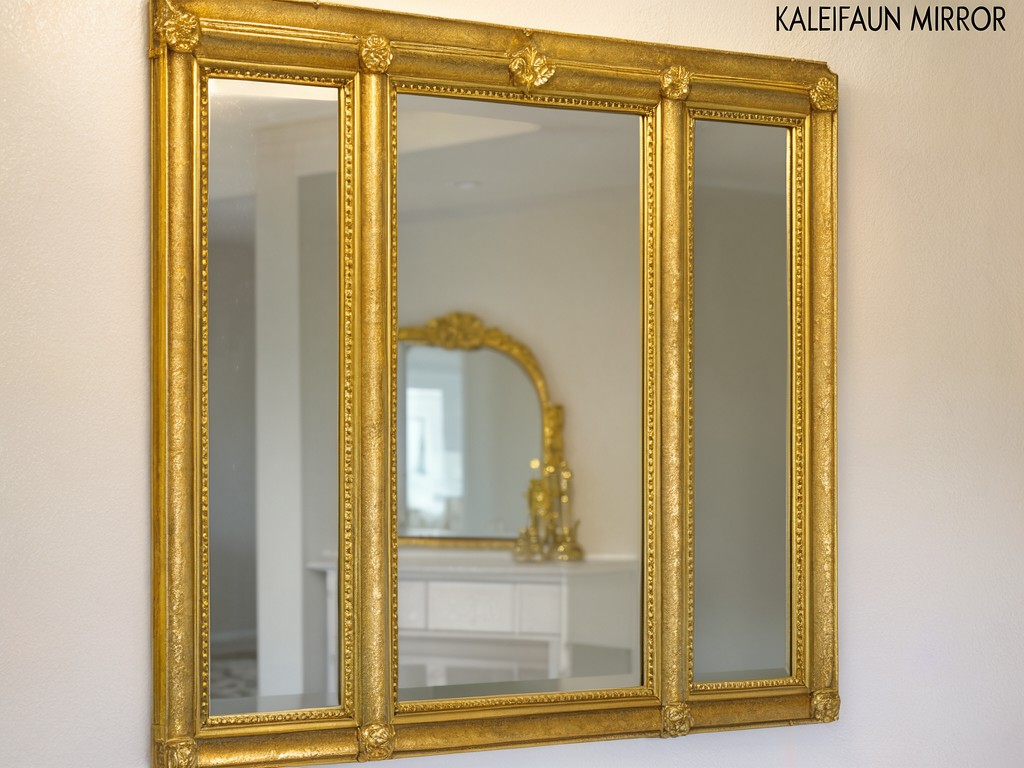
Powder-Coated Metal Frame
A practical choice for a consistent colour across repeat runs. Specify the gold shade, gloss level and texture; impact or abrasive contact can expose the base material at vulnerable edges.
Anodized Aluminum Frame
Lower frame mass can help with larger formats, and the finish is part of the aluminum surface. Gold tone and appearance depend on the selected process, so approve a physical sample before fixing the colour for production.
The glass and frame must also accommodate the planned hanging direction and wall fixing arrangement. If the mirror is intended for a humid bathroom, ask for the backing and edge protection to be specified for that use; no decorative mirror construction should be treated as suitable for prolonged water exposure without confirmation.
Use-condition note: Chlorinated air near pools, repeated sweat contact in changing areas and strong cleaning agents can shorten the life of some frame finishes and mirror edges. Confirm the intended cleaning method and exposure before approving the build.
Specification Range and Customisation Limits
Dimension, glass thickness, frame profile and hanging hardware can usually be set for the buyer’s range. The workable size depends on the glass format, frame support and intended mounting method; confirm the maximum size with the factory before finalising a catalogue dimension. Larger panels may require a different frame section or installation plan rather than simply a larger cut of the same construction.
Agree measurement tolerances, corner shape, edge finish and orientation on the approved drawing. Mirror glass can show distortion if the panel or supporting surface is under stress, so the frame should hold the glass without forcing it out of plane. The final specification should also identify whether wall fixings are included and the wall types for which they are intended.
What Can Be Customised and What Cannot
Custom choices commonly include overall dimensions, frame profile, gold tone, surface sheen, orientation, mounting points and rear safety film. Bespoke profiles or finishes can add setup cost and extend sampling, particularly where a new extrusion, tooling or colour match is required. Existing frame profiles and established finishes are generally easier to repeat.
Some limits are inherent to glass. A requested shape must remain compatible with cutting and edge finishing, and a frame cannot remove distortion caused by a bowed wall or incorrect installation. A gold colour reference guides approval but may not look identical across different materials or finish processes; sign off the specific frame sample intended for production.
Quality Control and Batch Consistency
A repeatable order starts with one approved reference: drawing, dimensions, frame sample, finish, glass specification and backing details. Factory checks can compare incoming glass and frame dimensions, finished overall size, corner alignment, finish appearance and the mirror surface for visible defects. Keep these checks tied to the agreed acceptance criteria rather than changing them from order to order.
For gold frames, assess colour and sheen beside the approved sample under consistent viewing conditions. For the mirror, review the usable reflective area, edge quality and visible coating defects. A batch record that links the approved specification to each production run helps identify whether a complaint relates to glass, finish, assembly or installation.
Stock Availability and Reorder Planning
Standard dimensions and existing frame finishes are usually simpler to replenish than custom sizes or newly matched colours. Confirm which components are held as regular stock, which are ordered for each run and whether the same finish remains available across the reorder window. These details affect both minimum order quantity and the time needed to reproduce a previous batch.
A buyer forecasting seasonal demand should reserve production capacity early for special profiles or finish approvals. Keep the sample identifier and approved drawing with the purchase specification; a colour description alone may not be enough to reproduce the original appearance.
Care, Storage and Service Life
Wipe the glass with a soft, non-abrasive cloth and a cleaner approved for mirror surfaces. Apply liquid to the cloth rather than spraying the mirror, and dry the perimeter after cleaning. This reduces the chance that cleaner or water will sit at the edge and reach the reflective coating or backing.
Avoid scouring pads, abrasive powders and strong solvents on both glass edges and gold finishes. In dressing rooms or gyms, remove sweat residue with a damp soft cloth and dry the frame; repeated contact can mark some finishes. Direct UV exposure can alter certain decorative coatings over time, so confirm the finish’s intended exposure before placing mirrors in sunlit areas.
During storage, keep mirrors upright on a stable support, separate from hard contact with other panels and away from damp conditions. Do not stack weight against the glass or allow the frame to carry an uneven load. Service life depends on the specified construction, installation and care; a mirror intended for dry indoor use should not be marketed for routine chlorine exposure or wash-down conditions without specific supplier confirmation.
Specification Review for Your Next Order
Share the target dimensions, room conditions, frame finish reference, expected order quantity and reorder schedule for a specification review. These details help align the mirror assembly with the retail price point and intended use before sampling or repeat production.
Contact us to review dimensions, finish and repeat-order requirements.







