
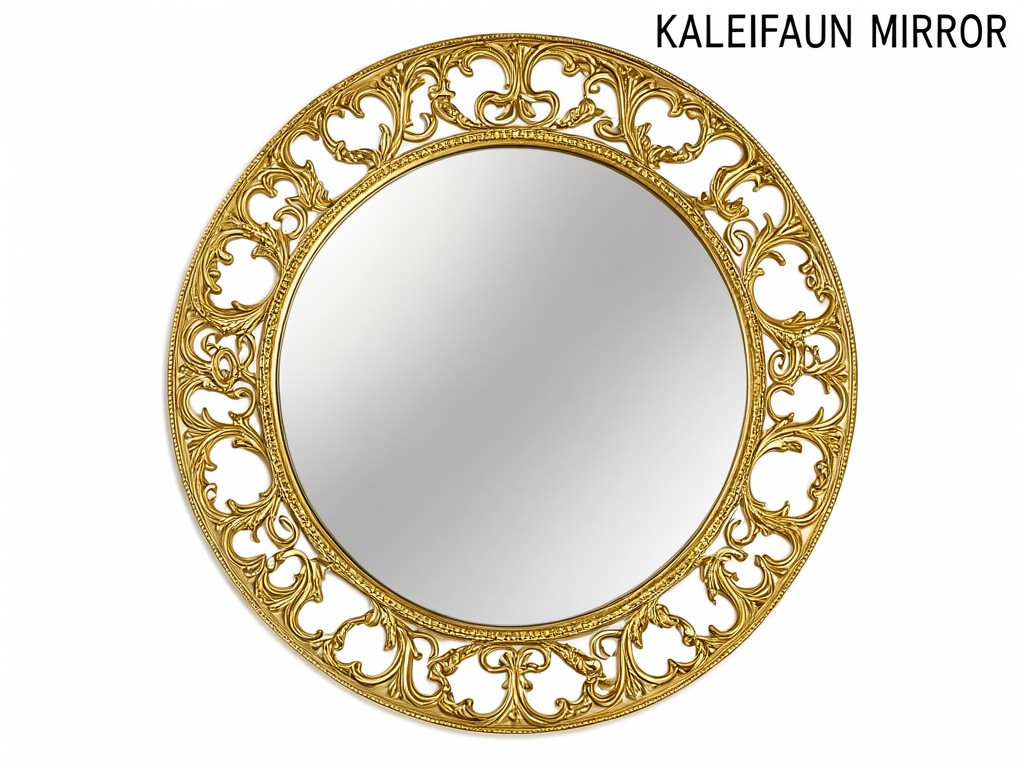
Specifying Wholesale Decorative Round Gold Mirror Supplier for Wholesale and OEM Orders
Where chlorine, sweat or UV exposure is routine, a decorative round gold mirror needs an indoor-use specification that accounts for the room, not just the finish sample. Pool-adjacent changing rooms and fitness facilities can expose frame edges and mirror backing to moisture and cleaning chemicals. Confirm the intended location before selecting glass backing, frame material, coating and mounting hardware; a gold appearance alone does not establish resistance to corrosion or fading.
Cost and durability pull in opposite directions once a mirror moves from a dry reception area to a humid, frequently cleaned space. A formed metal frame with a gold-tone powder coat is a practical standard specification, while changes to frame gauge, coating system, glass thickness or backing protection affect unit cost and freight weight. Agree the drawing, finish sample, mounting method and inspection points before the purchase order; those references give both sides a basis for repeat orders and warranty review.
What This Product Is and Where It Fits
A decorative round gold mirror is a wall-mounted interior mirror assembly: reflective glass, a protective backing, a round frame with a gold-colored finish and hardware suited to the specified wall fixing. It is commonly specified by home-furnishing importers, hospitality procurement teams and facility buyers for reception areas, guest rooms, studios and indoor changing spaces. The finish is usually a gold tone, not solid gold.
| Use condition | Specification focus | Purchase consideration |
|---|---|---|
| Dry interior reception, retail or guest-room use | Frame profile, gold-tone match, glass size and wall fixing | Prioritise a signed finish sample and protective export packing. |
| Humid indoor areas, including pool-adjacent changing rooms | Protected frame edges, backing condition and compatible cleaning instructions | Confirm exposure limits and cleaning products before approving the sample; do not assume outdoor suitability. |
How It Is Built and What That Changes
A common OEM construction uses a formed or fabricated metal ring, a gold-tone coated surface and mirror glass retained within the frame. The glass carries a reflective layer and protective backing; the assembly may use mechanical retainers, adhesive or both, depending on the design. A drawing should identify the overall diameter, visible glass area, frame width and depth, rear fixing position and any edge detail. Without those dimensions, a visually similar sample can still differ in wall clearance or coverage.
The finish affects both appearance and service conditions. Powder coating can provide an even gold tone across formed metal, while an electroplated decorative finish may deliver a different metallic look and cost profile. Neither choice should be treated as an outdoor rating. Ask for a production-representative finish sample and record the accepted tone, sheen and texture; photographs alone can shift with lighting and screen settings.
Gold-Tone Powder Coat
A practical choice for repeat runs that need a consistent coated-metal appearance. Approve the color and sheen on the actual frame material, since the substrate and coating can change the visual result.
Electroplated Decorative Finish
Consider this route when the requested metallic effect justifies its added process and approval steps. Confirm edge coverage and care limits on the sample, especially for humid rooms and frequent cleaning.
For either finish, specify whether the reference is a color chip, a signed frame sample or a retained sample from an approved production run. That decision reduces disputes caused by variation between coating batches.
How Consistency Is Held Across Batches
Batch control starts with a released drawing and a sealed or clearly identified sample. The purchase specification should state which dimensions are controlled, how the gold finish is judged, and what counts as acceptable glass distortion, edge damage or coating blemish. A change to the frame supplier, coating line, glass source or assembly method should go through buyer approval before it affects a repeat order.
| Inspection checkpoint | Factory check | Acceptance basis to agree |
|---|---|---|
| Dimensions and mounting | Measure the mirror and frame against the released drawing; verify fixing position and hardware fit. | Drawing tolerances, mounting layout and agreed hardware configuration |
| Glass and reflection | Inspect for chips, scratches, backing damage and visible distortion under agreed viewing conditions. | Approved sample and documented visual inspection conditions |
| Frame finish and assembly | Compare tone and sheen with the approved reference; check exposed edges, retention and fixing security. | Signed finish sample, agreed defect limits and assembly drawing |
| Packing condition | Review face protection, edge and corner protection, carton identification and pack configuration. | Approved packing sample and destination handling requirements |
These are factory inspection points, not claims of compliance with an external certification. If humidity exposure is a concern, specify the test conditions and pass criteria before production rather than relying on a general weather-resistant description.
Volume Planning and Lead Time
Production timing depends on frame material, finish route, glass availability, order quantity and the time needed for sample approval. A new diameter or frame profile may require tooling or a forming setup; a standard profile can shorten setup work, but it still needs confirmation against the approved drawing. Include artwork, carton marks, labels and destination packing requirements in the first quotation review.
For repeat orders, link the approved sample and drawing to the purchase order, then identify any permitted substitutions in writing. Split shipments or mixed sizes can change packing efficiency and freight cost. Confirm the production slot only after the finish sample, packaging details and order quantity are settled.
Care, Storage and Service Life
Keep mirrors upright in their protective packaging, away from standing water and direct contact between glass faces. During installation, use the specified wall fixings and avoid pressure on the glass edge. After installation, clean the glass with a soft cloth and a product approved for the mirror assembly; keep liquid away from the perimeter and rear backing.
Do not assume a decorative interior mirror is suitable for outdoor exposure, repeated chemical cleaning or persistent condensation. If the end location has those conditions, obtain written confirmation for the proposed glass backing, frame finish and cleaning method before approving the order.
For warranty assessment, retain the carton label or batch reference and record the installation location, fixing method and cleaning products used. Those details help distinguish transport damage, installation stress and finish or backing concerns.
Ordering, Tooling and Lead-Time Questions
What should the buyer send for a first quotation?
Provide the target diameter, frame width and depth, glass specification if known, finish reference, mounting details, order quantity and destination. A dimensioned drawing or marked-up reference image helps identify missing specifications before sample work begins.
When is new tooling or a forming setup required?
A new ring profile, diameter range or mounting detail may require dedicated setup or tooling. The factory should confirm the charge, ownership terms if applicable, and sample schedule against the drawing before work starts.
How can repeat-order finish variation be managed?
Approve a production-representative sample and record its finish route, tone and sheen. Keep the reference available for later comparisons, and require approval if the coating material or process changes.
What affects the minimum order and ship date?
The minimum depends on the selected frame and finish setup, glass sourcing and packing configuration. Lead time should be quoted after quantity, sample approval, artwork and export packing requirements are confirmed.
Review the quotation against the approved specification. Send the drawing, finish reference, quantity, destination and packaging needs for a line-by-line quotation review before sample approval or production release.







