
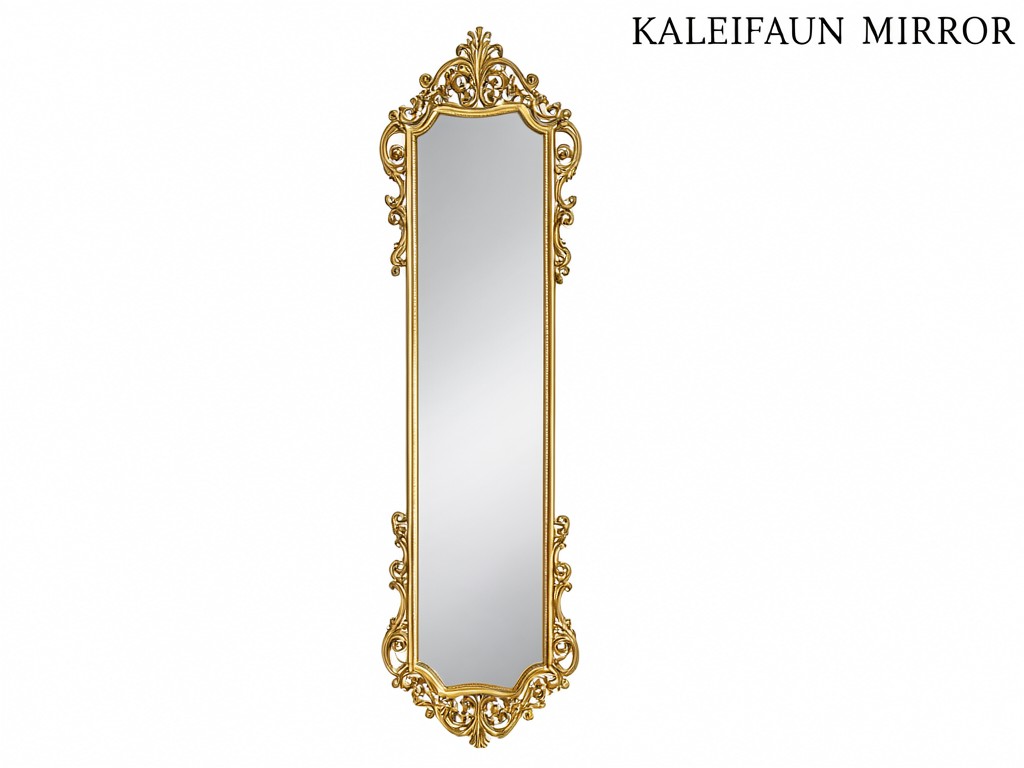
wholesale gold metal filigree full length leaner wall mirror company: Specification, Ordering and Quality Notes
The Problem Buyers Keep Paying For
When a brand extends an existing range with a gold metal filigree full length leaner mirror, the launch can hinge on details that are easy to miss in a sample: frame width, the depth of the ornament, mirror proportions and how the finished piece sits against a wall. A mismatch can mean revised packaging, a second approval round or a delayed retail set.
The leaner format also changes the shipping equation. A tall, narrow carton is vulnerable to corner impact and pressure on the glass; decorative metalwork can snag protective wrap or press against the mirror face. Buyers need the approved sample, production specification and packing method to describe the same product before volume is released.
What Actually Determines Performance
A leaner mirror is not automatically a freestanding mirror. Confirm whether the design is intended to rest against a wall, attach to a wall, or support either setup; the frame, backing and any supplied restraint need to match that use. Keep the approved installation notes with the carton and product specification.
The frame is commonly shaped from metal sections, with the filigree formed or cut to the approved pattern, joined to the frame and finished in a gold tone before the mirror is fitted. The order of those operations matters: uneven joints can show through the finish, while handling after coating can leave rub marks on raised ornament. Glass size, frame opening and the method of retention must be controlled together so the mirror does not sit proud or shift in transit.
Indoor décor is the usual service condition. If the mirror will be exposed to damp air, temperature swings or direct weather, state that use before quoting; a decorative gold finish should not be treated as weather-resistant without an agreed finish specification and validation. For user comfort, check the touch points and exposed edges on the finished sample, not just the front-view appearance.
OEM and ODM Programme Structure
OEM From an Approved Design
For a locked design, provide the drawing or dimensioned reference, finish target, logo or label files, carton requirements and target order volume. Reusing an approved frame pattern and production setup generally avoids new tooling charges; confirm whether any change to size or ornament requires a fixture adjustment before placing the repeat order.
ODM With Design Development
For a new pattern or altered silhouette, the factory can develop a sample around the requested dimensions and finish. More intricate filigree usually requires additional forming or cutting work and longer sample approval; that setup cost is spread across the order quantity, so the unit price can change materially between a small pilot and a container-scale release.
Before bulk production, record the signed-off sample or approved reference images, final dimensions, acceptable finish appearance, branding position and packing configuration. A verbal colour description alone is not a dependable basis for matching later lots.
Inspection Items and Test Methods
- Measure overall height, width, frame depth and mirror opening against the approved drawing. Check sample units from the production run rather than relying on the first-off piece alone.
- Inspect filigree alignment, joined areas and visible edges under consistent lighting. Compare the gold tone and sheen with the approved finish reference; record any agreed limits for variation.
- Check the mirror surface for visible distortion, scratches and edge damage. Verify that the mirror is retained evenly and does not move within the frame during handling.
- Review coating adhesion and corrosion exposure only against the finish and service conditions agreed for the order. Salt-spray testing may be considered for a defined damp or coastal application, but it does not by itself establish outdoor suitability.
- Test the export pack with the intended corner protection, face separation and carton orientation. Use a transit or handling check suited to the shipment plan, then inspect the mirror, frame and finish for damage.
Inspection criteria should be set before the production lot is packed. That timing leaves room to correct a finish or packing issue without putting the shipping date at risk.
Volume Planning and Lead Time
| Order stage | MOQ basis | Lead-time planning point |
|---|---|---|
| New sample or design revision | Quoted by design scope, sample work and any fixture or pattern setup. | Allow for drawing approval, sample production, review and any requested correction before bulk scheduling. |
| Pilot or first production lot | Set against the frame setup, finish batch, glass purchasing and packaging quantity. | Confirm after the specification and pre-production sample are approved and key inputs are available. |
| Repeat or container-scale release | Quoted by SKU and order volume; larger lots can distribute setup cost across more units. | Reserve production and packing capacity against the approved forecast, finish batch and shipping window. |
Moving from sample orders to container loads changes more than the unit price. The production slot, glass supply, finish batching and carton procurement all need to align, so a confirmed ship window should follow approval of the final specification rather than the initial inquiry date.
Keeping Repeat Orders Supplied
On a club programme that reorders twice a season, or a retailer replenishing a live décor range, consistent supply depends on keeping the approved pattern and finish reference accessible. Retain the drawing revision, sample sign-off, packaging layout and any inspection notes under the same SKU or purchase-order reference.
A repeat may still need fresh confirmation if the gold finish batch, glass specification, carton dimensions or destination packing rules have changed. Share the next required delivery date and forecast early; the factory can then review material availability and reserve a slot before a launch or replenishment deadline becomes fixed.
Questions Buyers Ask Before Ordering
Can the mirror be supplied for leaning and wall-mounted use?
State the intended installation at quotation. A leaning design and a wall-mounted design can require different support details and packing protection; confirm any restraint or fixing hardware in the approved specification.
What information helps avoid a late sample revision?
Send target dimensions, reference images or drawings, the gold finish reference, logo files if required, installation method, destination market and carton requirements together. Confirm which visual details are fixed and which may be adjusted during development.
When is the production lead time confirmed?
The factory can confirm a workable schedule after the final sample or specification is approved, order quantity is agreed and required inputs are checked. New filigree tooling, finish development or a change in packing can add time compared with a repeat order using an established setup.
Review the Specification Before Booking Production
Share the intended dimensions, approved design references, finish requirements, order quantity and target ship date for a specification review. The review can identify open decisions on setup cost, sample approval, packing and production timing before the order enters the schedule.
Request a specification review






