
China large arched mirror window factory: Specification, Ordering and Quality Notes
Construction options diverge as soon as wall weight matters. Silvered glass gives a more natural reflection and a firm, substantial feel, but mass rises quickly with mirror area and frame material. Acrylic mirror can reduce shipping and installation weight, though its softer surface marks more readily and a broad panel can show waviness. For a retail wall mirror intended for regular indoor use, buyers usually start with glass, then set the frame and backing around the target size and freight route.
The recurring complaints are not limited to a damaged pane. A slightly uneven arch, visible reflection distortion, exposed backing at an edge, or loose hanging hardware can make a large mirror look inconsistent across a shipment. A confirmed drawing, sample approval and agreed packing configuration give the factory clear checkpoints before production is released—important when stock must reach a launch date rather than arrive as a replacement order.
What This Product Is and Where It Fits
A large arched mirror window is a wall-mounted mirror designed with a curved top and, depending on the design, a frame or applied bars that suggest window divisions. It is used as a decorative focal point in homes, hospitality interiors and retail displays. Factory production typically covers glass cutting, edge finishing, mirror backing, frame fabrication and final hardware assembly.
A plain reflective pane keeps the image uninterrupted. Decorative muntins create a window-like appearance but add joints and alignment points that must remain even across the arch. Buyers should specify whether the bars are structural, applied to the mirror face, or set behind the glass; those constructions differ in appearance, cleaning access, assembly time and cost.
Specification Range and Customisation Limits
The figures below are planning ranges, not a substitute for a product drawing. Final weight depends on glass thickness, frame section, applied detailing and hanging hardware. Confirm overall height from the lowest frame point to the crown of the arch, and provide the arch radius or a full-scale profile when the curve must match an existing fixture.
| Indicative format | Overall size (W × H) | Mirror construction | Approximate net weight |
|---|---|---|---|
| Compact wall format | 600 × 900 mm | Typically 3–4 mm glass, with metal or wood frame options | About 5–9 kg |
| Full-height interior format | 900 × 1500 mm | Typically 4 mm glass; frame depth set to the design | About 12–21 kg |
| Large statement format | 1000 × 1800 mm | Typically 4–5 mm glass, subject to frame and support design | About 17–30 kg |
Width, height, frame finish, glass thickness, backing and hardware can be specified for a project. Tight curves, unusual profiles and individually fitted muntins can require dedicated templates or fixtures; they add setup work and may extend sample approval. Confirm the approved artwork or drawing revision before bulk cutting, especially if multiple sizes share one retail range.
Option Comparison by Usage Level
Cost and durability pull in opposite directions once a mirror moves into a larger size or a busier space. The right choice depends on how often it will be handled, the visual standard of the range and the expected installation conditions.
Everyday Residential Range
A standard silvered-glass mirror with a straightforward frame keeps the specification and assembly manageable. It suits bedrooms, hallways and dressing areas where image clarity and an even finish matter more than frequent public handling. A carefully finished edge and protected rear surface help avoid visible edge deterioration in normal indoor service.
Applied decorative bars can reduce the uninterrupted reflective area and add alignment work. Use them where the window-frame look is central to the design, not as an unreviewed substitute for a structural frame.
Contract and High-Handling Range
For hospitality, staged interiors or repeated showroom moves, buyers may choose a more protective frame, safety backing and reinforced hanging points. These additions raise material and packing cost. They do not make the mirror immune to impact, so the installation instructions and handling plan still need to match the finished weight.
Acrylic mirror is a lower-mass alternative for selected designs, but the surface is easier to scratch and larger panels can distort reflected lines. Approve a physical sample under the intended viewing conditions before substituting it for glass.
Who Uses It and Where It Matters
The same mirror can serve very different purchase requirements. A brand product manager may need consistent dimensions and finish across a coordinated range; an importer may prioritise carton cube, breakage control and a confirmed shipping window. Retail buyers need a product that presents well on the wall and arrives with marking that matches their receiving process.
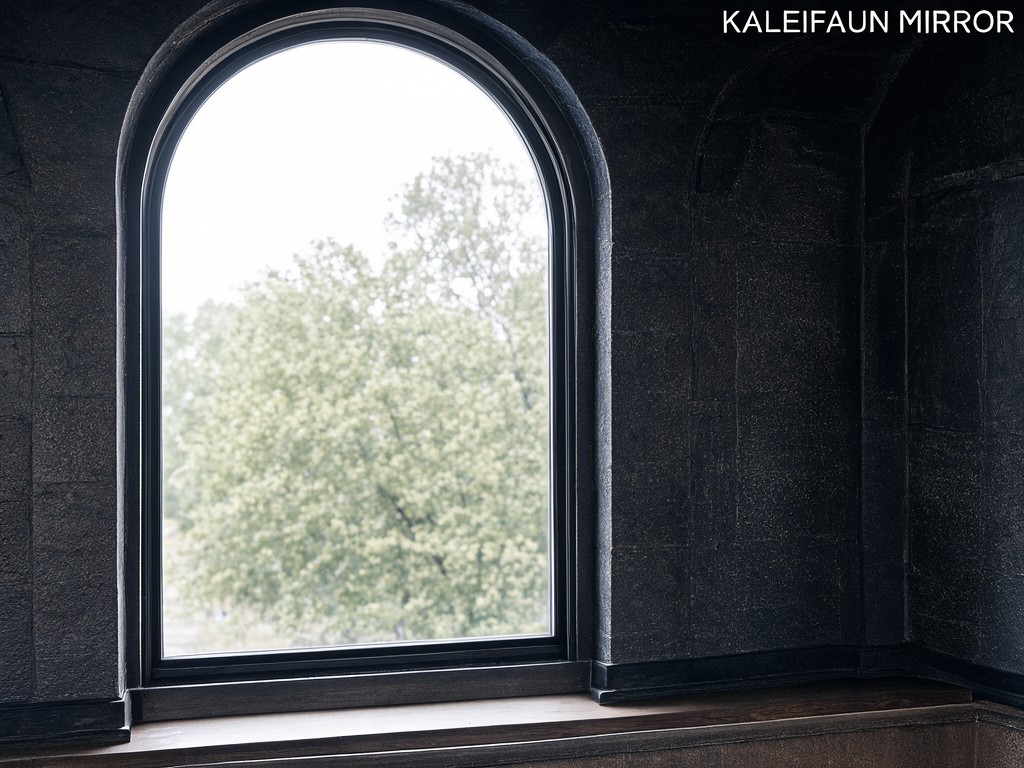
- Furniture and home décor retailers select arched mirrors for bedroom and hallway assortments, where the frame finish must sit consistently beside other products in the range.
- Hotels and serviced apartments use larger formats in guest rooms and dressing areas; installers need clear weight and hanger details before fixing the mirror to a wall.
- Interior designers and project contractors specify custom widths or finishes for a defined opening, so profile approval and delivery sequencing need to be agreed before production.
- Showroom operators move display pieces more often than residential users. Corner protection and secure hardware matter because impact at the frame edge can chip glass or loosen a joint.
Segment-Specific Requirements
Retail programmes usually need repeatable dimensions, a controlled frame colour and carton marks that match purchase-order or SKU details. Approve the finish on a production-representative sample; small shifts in paint tone or metal sheen can stand out when several mirrors hang together. For a private-label order, artwork, label position, barcode data and language requirements should be supplied before packaging approval.
Project fit: For contract installation, share the wall-fixing method and target finished weight before hanger selection. For a retail launch, confirm the approved sample, carton configuration and ship-to requirements before the production slot is booked. A late change to the arch profile or frame finish can affect both sampling and dispatch timing.
Large mirrors are generally intended for indoor use. If a project places them in a humid area or near routine water exposure, specify the location before material approval; frame joints, rear backing and exposed edges may need a different design. A finish selected only from a colour chip may not represent its appearance beside the reflective glass, so review the assembled sample where the finish is a key selling point.
Inspection Items and Test Methods
Inspection should follow the approved drawing and sample, not appearance alone. Large curved profiles can reveal small dimensional differences more clearly than rectangular products; a deviation at the crown can alter how the mirror sits beside other units.
- Check overall width and height, arch profile, frame depth and hanger position against the approved drawing or template.
- View the reflective surface under controlled lighting for visible spots, scratches, coating defects and image distortion; inspect the pane from practical viewing distances.
- Inspect edges for chips or exposed backing, and check that frame joints, applied bars and finish coverage remain consistent.
- Verify the specified hardware is fitted securely. Any proof-load check should follow the buyer’s installation requirement and the final product weight.
- Review a packed sample for movement within the carton and protection at the corners and curved top; agree any transit trial method before bulk shipment.
Keep the signed sample or approved reference images with the inspection record. That comparison helps separate a product change from normal finish variation and gives both sides a clear basis if a shipment complaint concerns reflection, colour or assembly.
Packing, Marking and Freight Configuration
A large arched mirror needs protection at the curved crown, lower corners and frame edges. The final pack should restrain the product without placing direct pressure on the glass. Carton size and pack count affect freight planning, so approve the pack dimensions alongside the product sample rather than after production is complete.
| Packing level | Typical configuration | Details to confirm |
|---|---|---|
| Individual unit | Protective wrap, edge and corner protection, fitted inner supports and an outer carton | Carton dimensions, gross weight, pack orientation and retail label location |
| Multi-unit shipment | Cartons arranged in a pallet or other agreed freight unit, with separation to limit contact | Units per freight unit, handling access, stack limits and destination receiving requirements |
| Large or higher-risk route | Additional outer protection or a crate, subject to route and handling review | Pack-out approval, freight dimensions and any destination-specific wood-packaging requirements |
Mark cartons with the agreed SKU or model, quantity, handling orientation and destination details. Confirm whether the importer needs individual carton labels, pallet labels or shipment-level documents. For launch-date orders, lock the drawing, finish, label data and pack specification before mass production; the dispatch plan can then be checked against the booking window.
Discuss a project: Share the target dimensions, arch profile, frame finish, order quantity, destination and required ship window for a factory review. A drawing and packing proposal can be checked before sample approval and production scheduling.
Contact the factory to discuss your specification and launch schedule.







