
Custom Rectangular Decorative Bathroom Mirrors Wholesale - Bulk Supply and Specification Guide
The limiting factor is rarely the headline specification: bathroom mirror returns often start with small size, edge, or frame-finish differences between cartons. A few millimetres of drift can disrupt a planned installation or make adjacent units look mismatched on a retail display. Lock the drawing, glass thickness, edge treatment, and finish reference before comparing quotes; the best unit cost is the one that keeps more pieces saleable after delivery.
Materials and Construction Trade-offs
Mirror glass is commonly specified at 3, 4, 5, or 6 mm; larger panels and more demanding mounting conditions may call for thicker glass, subject to the support design. Silver-backed glass is a common choice for clear reflection, while aluminum-coated mirror can suit projects where the specification and price point allow it. Neither coating makes an exposed edge immune to bathroom moisture: edge quality, backing protection, frame design, and cleaning habits all affect service life.
Choose a polished or seamed edge by balancing touch points, appearance, and cost. A bevel adds a decorative border but also adds processing and inspection requirements. For framed designs, aluminum and stainless steel are common options for humid rooms; wood-based frames need a finish and installation location suited to their moisture exposure. Optional backing film can help retain glass fragments after breakage, but it does not turn the mirror into certified safety glazing.
For repeat orders, approve one reference sample and record the glass thickness, finished dimensions, corner radius, edgework, coating appearance, frame finish, and backing. A written reference limits lot-to-lot interpretation; it also gives incoming inspection a practical basis for accepting or holding stock.
Use this selection path to match cost with the installation and retail expectation:
- Start with the installation environment.
- For a regularly humid bathroom, specify protected backing and an edge or frame detail that does not trap water.
- For a dry dressing area or occasional-use powder room, compare lower-cost frame and coating options against the expected cleaning routine.
- Set the visual target next. Specify the reflection appearance, edge finish, corner shape, and frame colour against an approved sample rather than relying on a colour name alone.
- Confirm dimensions, mounting points, and glass thickness on the same drawing. If the mirror is large or heavy, have the mounting method reviewed before finalizing the glass and frame combination.
Where This Product Beats Standard Alternatives
A custom rectangular mirror earns its place when a buyer needs a defined size, coordinated frame, or repeatable finish that standard retail dimensions do not provide. The commercial advantage is not customization by itself; it is fewer fit-related returns and a closer match between the approved sample and replenishment stock.
That advantage depends on holding tolerances consistently. Small differences in width, height, corner radius, bevel width, or frame colour can become conspicuous when multiple mirrors sit side by side. Agree which dimensions are critical, how finish variation will be judged, and whether any design change requires a new approval sample. A simpler edge or frame can lower the quoted price, while a controlled finish and documented reference can reduce losses across repeat orders.
Buying Mistakes That Lead to Returns
Most avoidable claims trace back to a gap between the approved specification and the delivered unit. Include finished glass size and overall framed size as separate drawing dimensions; otherwise, a frame can make an apparently correct mirror too large for its intended recess.
- Do not approve by a generic colour description alone. Keep a signed or otherwise identifiable finish sample for the frame and any decorative trim.
- Avoid comparing quotes with different assumptions for glass thickness, backing film, polished edges, bevels, or mounting hardware. Those details change both cost and finished weight.
- Do not treat a moisture-resistant backing as permission for standing water or harsh cleaning chemicals. Specify the intended room conditions and care guidance for the channel.
- Check carton configuration and handling limits before ordering large-format units. A low unit price can be offset by breakage, awkward warehouse handling, or higher freight cube.
Ask the supplier to record any approved substitution by batch. Unrecorded changes to coating, frame material, or finish can create visible differences at reorder, even when the nominal model number stays the same.
Usage Scenarios and Buyer Segments
Bathroom furniture importers often select custom dimensions to coordinate mirrors with vanity widths and cabinet ranges. Their main exposure is fit and visual consistency across a collection, especially when several sizes share one frame finish.
Hotel and serviced-apartment purchasing teams may prioritize a consistent appearance across rooms and predictable replacement stock. In this use, edge protection, mounting compatibility, and carton-level identification matter as much as the decorative profile because damaged or mismatched units can delay room turnover.
Home-improvement distributors and private-label buyers typically need a small family of sizes with shared branding and packaging. A common finish reference across those sizes can simplify replenishment, but each size still needs its own dimensions and pack-out approval.
What Gets Checked Before Shipment
Pre-shipment checks should compare production pieces with the approved drawing and sample. Measure overall dimensions, glass thickness, corner details, and mounting locations; inspect the mirror face under suitable lighting for visible marks, distortion, or coating defects. Frame finish and colour should be checked against the retained reference, not judged from memory.
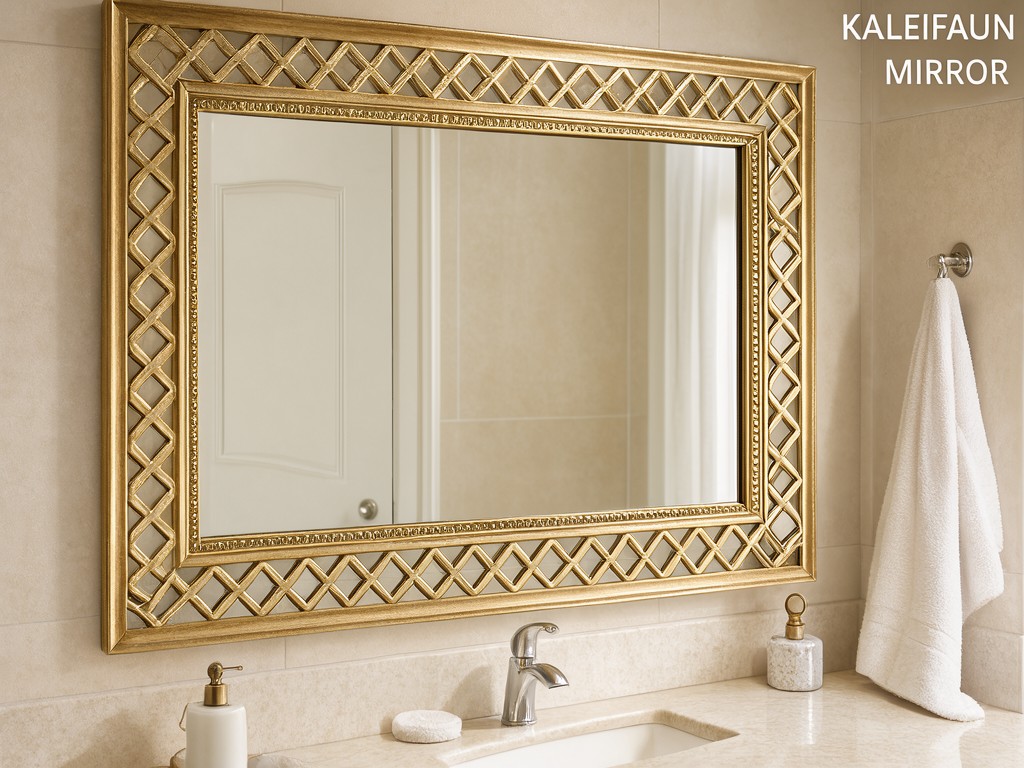
For framed units, inspect joints, attachment points, and the condition of the back and edges. Where specified, check backing-film coverage and adhesion by the agreed inspection method. Record sample size, batch identification, and any rejected defects so the importer can trace a claim to the relevant shipment rather than treating all replenishment lots as identical.
Agree the sampling plan and acceptance criteria before production release. The supplier and buyer should also define how finish variation, minor edge marks, and carton damage are classified; otherwise, inspection results can differ even when both sides examine the same lot.
Export Packaging and Handling Protection
Packaging should protect the mirror face, corners, frame, and exposed edges through loading, transit, and warehouse handling. The required pack depends on dimensions, unit weight, shipment mode, and whether cartons move as individual retail units or consolidated master packs. Confirm both the product specification and carton method in one approved order matrix:
| Order detail | Options to record | Buyer control point |
|---|---|---|
| Customization | Overall size; glass thickness; corner radius; edge finish or bevel; frame material and finish; backing; mounting points; logo or label placement. | Approve a dimensioned drawing and physical finish reference. Keep glass dimensions distinct from framed dimensions. |
| Unit protection | Face protection, corner guards, edge cushioning, sleeve or inner carton, and separation between adjacent units. | Check that protective materials do not rub against the mirror face or leave residue during storage. |
| Export pack-out | Retail carton or master carton; units per carton; handling marks; carton dimensions and gross weight; pallet arrangement where required. | Review carton size and handling direction against the shipment route, warehouse equipment, and receiving process. |
| Traceability and retail identification | Model and size, finish reference, batch or lot mark, barcode or retailer label, and country-of-origin information where required. | Approve label artwork and carton copy before the production pack run; keep batch details legible after shipment handling. |
A pack-out trial can reveal corner contact, carton movement, or excess empty space before the full order ships. Confirm the final carton dimensions and gross weight before booking freight; changes to glass thickness or frame material can alter both.
Care, Storage and Service Life
Keep mirrors dry and upright in their protective packaging until installation. Store cartons on a level surface away from standing water, direct impact, and large temperature swings; follow the marked handling direction and avoid stacking beyond the approved pack arrangement.
For routine cleaning, use a soft cloth and a cleaner suitable for mirror glass. Do not let liquid pool at the lower edge or seep behind the frame, and avoid abrasive pads or chemicals that may attack the backing, edge seal, or frame finish. Service life depends on installation, ventilation, cleaning, and moisture exposure, so care instructions should match the actual product construction rather than promise a fixed lifespan.
For a new private-label range or a repeat order with finish changes, submit the dimensioned artwork and branding requirements for review before approving the production reference. Request an artwork and branding review so labels, marks, and pack details align with the approved mirror specification.







